How Much Does an Infrared Sauna Cost? Real 2026 Prices From $75 Sessions to $14,499 Cabins
Key Takeaways
- Single infrared studio sessions typically cost $30 to $50 (up to $75 in Los Angeles and New York City), while monthly memberships of $120 to $200 drop the effective rate to $15 to $25 per visit.
- Home infrared sauna prices start at $75 to $900 for portable tents, pods, and blankets, rise to $1,000 to $4,000 for entry and mid-range far-infrared cabins, and reach $5,000 to $14,500+ for full-spectrum models and custom builds.
- Running a 1,500W to 3,000W home cabin adds just $0.10 to $0.30 per 45-minute session ($3 to $10 a month with daily use), but larger or higher-output units may require a dedicated 240V circuit installed by an electrician.
In This Article
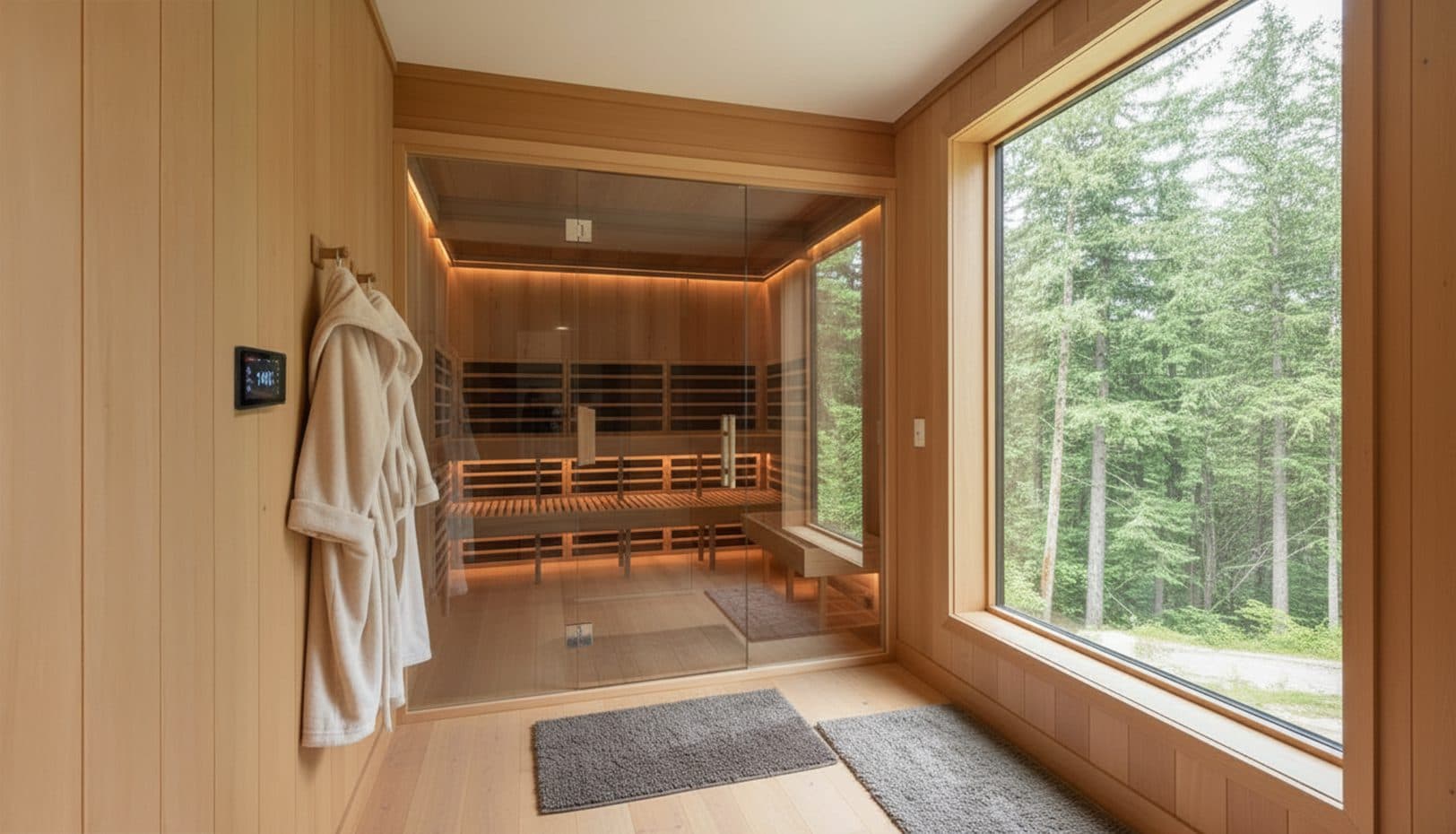
Online sticker prices for an infrared sauna rarely match the final bill, whether you're booking a single afternoon sweat or having a wooden cabin dropped in your driveway. A 30-to-45-minute studio visit runs $25 to $60 at most urban wellness spots, with infrared-specific drop-ins landing between $30 and $50, climbing to $75 in peak markets like Los Angeles and New York City, and topping $80 at luxury spas. Buying a unit for your home spans an even wider gap: portable steam tents start at $75 to $200, entry-level wooden cabins begin around $1,000, and top-tier outdoor builds reach $14,500 and up.
The difference comes down to the format you pick and the delivery, electrical, and feature costs that retail listings leave out. Here at SaunaCloud, we've built over 3,000 custom cedar saunas across North America since 2014. We're walking through the real numbers across every tier, without a sales pitch, so you can see where your money actually goes.
How much an infrared sauna costs
For home use, a $2,000 to $4,000 mid-range cabin fits most regular users who have a spare corner and a standard outlet, while $5,000+ full-spectrum builds suit daily bathers who want deeper multi-wavelength heat, built-in EMF protection, LED lighting, and Bluetooth audio. If you're renting or tight on floor space, portable tents and blankets under $900 get you sweating without permanent installation, delivery, and setup costs, whereas entry-level cabins around $1,000 to $1,900 give you a real wooden bench on a tighter budget.
| Format tier | Price range | What that budget buys | Full-spectrum heat |
|---|---|---|---|
| Portable steam & infrared tents | $75–$350 | Compact fabric enclosures with a steam generator or basic infrared heating | No; steam models do not use infrared heaters |
| Sauna blankets & pods | About $600–$700 | Compact setups for individual use, with features varying by format | Check the heating method; not all pods use infrared |
| Portable infrared enclosures | Around $900 | Larger tent-style setups with room for a chair | Typically far-infrared |
| Entry-level home cabins | $1,000–$1,900 | Small wooden cabins with basic controls and far-infrared heaters | Typically no |
| Mid-range cabins & lie-down domes | $1,500–$4,000 | Larger cabins, corner layouts, or portable lie-down systems | Typically far-infrared |
| Premium full-spectrum cabins | $5,000–$14,500+ | Multi-wavelength heating, upgraded finishes, and optional integrated red light therapy | Yes; confirm the heater specifications |
| Custom installations | Project-specific quote | Built-to-order rooms with tailored dimensions, seating, and heater placement | Configurable by builder |
Pricing note: These broad budget ranges reflect 2026 product reviews from Popular Science, the New York Post, and Fortune, alongside published studio pricing. They are not quotes for a particular model or a SaunaCloud custom build.
Remember that buying the box isn't the end of the budget. Ownership adds ongoing electricity, occasional maintenance, and dedicated floor space, and a home cabin won't come with the guided wellness add-ons of a boutique studio.
Infrared sauna session prices at studios
Based on published studio pricing, a single 30-to-45-minute session at an urban wellness studio or boutique spa costs $25 to $60, with dedicated infrared drop-in visits typically landing between $30 and $50. If you're booking in a high-demand city like Los Angeles or New York City, expect a single session to climb up to $75, while luxury wellness retreats and high-end spas charge $80 or more. Some studios trim that first visit with introductory specials, and choosing between a 30-minute and a 60-minute booking changes the math: longer sessions cost more upfront, but they give you better per-minute value because you aren't paying solely for the time your body spends warming up.
What moves the per-session price
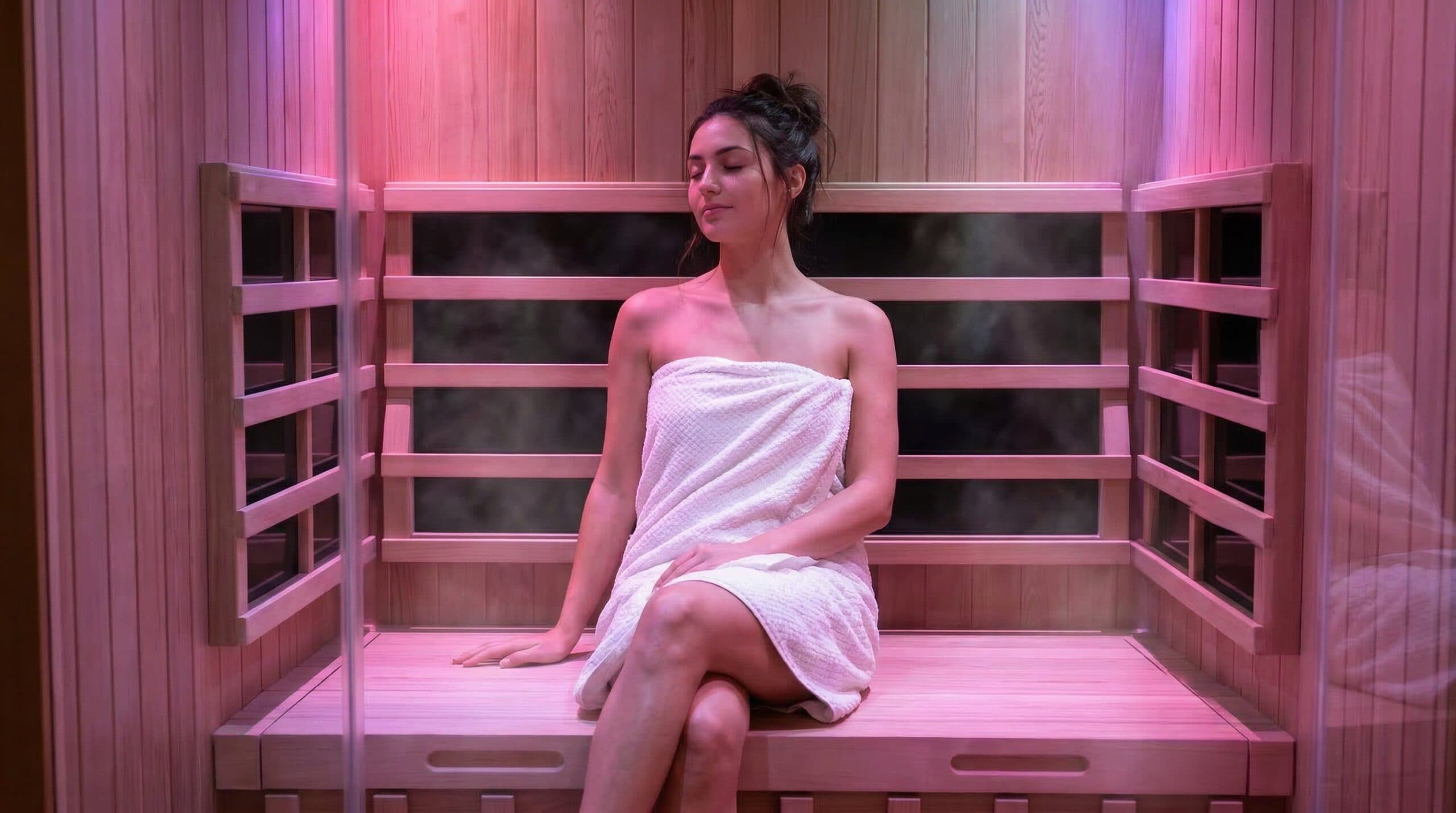
When you compare local infrared sauna options in your area, the price depends on your market, whether you book a private suite or a shared sauna, and the menu of bundled amenities. Shared saunas at gyms or co-ed spas cost less or come included in general access fees, while the private suites common in dedicated infrared studios carry a premium for intimacy and personal control. In high-demand markets like Los Angeles or New York City, sessions climb up to $75 to cover big-city overhead and bundled comforts rather than a magically hotter heater, though most dedicated studios bake baseline perks right into that entry fee by handing you a robe, filtered water, herbal teas, and access to cooling areas and post-sweat lounges.
Where the checkout total creeps up is the add-on menu. Layering chromotherapy (colored light panels), aromatherapy, guided breathwork, or sound healing onto a standard appointment turns a routine sweat into a spa package, pushing you into that $75 to $80+ bracket.
Private suites vs shared saunas
Your biggest price lever at a facility is whether you're willing to sit next to strangers. Shared saunas inside commercial gyms or co-ed bathhouses cost much less per visit, and they're often folded straight into your standard monthly gym access fee. The trade-off is zero privacy and no say over the thermostat. Dedicated infrared studios almost always put you inside a private suite. You're paying a premium for intimacy, a quiet room to yourself, and direct control over the cabin's temperature and lighting.
When a sauna membership beats drop-ins
A monthly sauna membership is cheaper than paying per visit the moment you go at least twice a week, cutting your effective cost to $15 to $25 a session compared to the $30 to $50 single drop-in rate. Studio memberships generally run $120 to $200 a month for either a set allotment of visits or unlimited access, depending on the tier, while packages of 5, 10, or 20 sessions discount 10% to 30% off single-session prices if you want to avoid a monthly commitment.
We see the same pattern with studio newcomers all the time. You pay single-session drop-in rates for the first few weeks to test the waters, fall into a routine, and realize that visiting more than a handful of times a month (past roughly a third of the monthly fee in individual visits) hits the membership break-even point. If you want lower per-visit rates without locking yourself into recurring monthly billing, look for multi-session packages. Buying bundles of 5, 10, or 20 visits takes 10% to 30% off the single-session sticker price and lets you pace your sessions on your own schedule.
Why infrared saunas are priced differently
Infrared cabins run at a gentler 110°F to 165°F ambient air temperature because their panels warm your body directly, whereas traditional electric or wood-burning saunas heat the room air to 160°F to 200°F with low humidity and steam rooms sit between 150°F and 200°F. If traditional high heat makes you feel like you can't catch your breath, that lower room temperature is a relief rather than a compromise.
It also explains why infrared sauna prices vary so widely by heater technology. Entry-level units only emit far-infrared waves, while premium full-spectrum infrared heaters engineer near, mid, and far wavelengths into the same cabin. Each wavelength reaches a different depth in your body's tissues, letting you customize the session, and building that multi-wavelength hardware is what pushes a cabin past $5,000.
Sauna bathing itself goes back 2,000 to 10,000 years, with modern traditions rooted in northern Europe and Finland ("sauna" is the only Finnish word in everyday English). In Finland, a sauna is a standard home fixture rather than a rare spa treat, so today's wave of residential cabins is really a return to how the practice started.
What drives home sauna prices
Premium infrared saunas cost thousands more than budget boxes because you're paying for multi-wavelength heaters, dense rot-resistant timber, and bundled home red light therapy panels rather than a bare far-infrared shell. Cabins with integrated red light therapy can run from around $6,000 for smaller indoor layouts to more than $16,000 for larger outdoor configurations. The useful comparison is what each quote includes: cabin size, heater coverage, wood, red light equipment, and installation requirements.
Capacity, wood, and heater count
Four things move the price: cabin capacity, outdoor weatherproofing, heater type, and wood species. More people require more wood, more panels, and higher power. Aromatic, moisture-resistant Canadian red cedar generally costs more than Canadian hemlock, but the upgrade price depends on the size and construction of the cabin. Heater layout and coverage also matter when comparing similarly sized units.
Red light therapy: included or extra
Red light therapy (photobiomodulation, which shows early promise in studies for easing inflammation and supporting skin health) can change the total cabin cost by thousands. Some manufacturers include red light equipment in the base price; others sell it as an optional panel or separate tower. Ask for an itemized quote so you can compare cabins with equivalent equipment.
Why sub-$2,500 units are a different product class
Cabins under $2,500 are generally far-infrared-only and may not include therapeutic red light panels. Check the actual heater and lighting specifications when comparing them with premium rooms. Decorative chromotherapy lighting can appear at either price level and does not tell you whether red light therapy equipment is included.
Infrared sauna prices by tier
Compare the cabin price with its electrical requirements, shipping weight, seating layout, and warranty. Those details help you work out whether a sauna fits your room and your total budget.
Premium full-spectrum cabins: $5,000–$14,500+
Premium indoor cabins combine near-, mid-, and far-infrared heating with features such as cedar interiors, upgraded controls, Bluetooth audio, and optional red light therapy. Larger outdoor configurations add weather-resistant construction and can weigh well over 1,000 pounds.
A higher price doesn't tell you which features are included. Compare heater coverage, red light equipment, circuit requirements, assembly needs, and warranty coverage for heaters versus other components. Confirm the delivery timeline before booking installation work.
SaunaCloud Custom Cedar Saunas: Here at SaunaCloud, our tailored builds pair proprietary low-EMF VantaWave heaters and integrated red light systems with exact room dimensions and direct designer support. A custom quote accounts for the layout and equipment your space needs, making it a different purchase from mass-market retail cabins.
Entry-level and mid-range cabins: $1,000–$4,000
This tier includes compact one-person cabins, two-person wooden units, corner layouts, and lie-down sauna dome alternatives. Far-infrared carbon or ceramic heaters are common, with differences in panel placement, controls, and interior space.
For a wooden cabin, check usable bench dimensions, heater coverage around your legs and feet, and the assembly method. For a lie-down dome, check interior length, foot space, temperature controls, and how easily the fabric can be cleaned. Confirm the required circuit for the specific unit before ordering.
Outdoor options
Outdoor sauna budgets vary widely, from smaller infrared cabins around $3,000 to larger premium builds above $14,500. Compare weather protection, roof construction, foundation requirements, and the manufacturer's limits for outdoor use.
Traditional outdoor saunas also appear in this price range, but use a different heating system. Check whether a listing describes an infrared cabin or an electric rock-heater sauna before comparing temperatures, warm-up times, or operating costs.
Portable infrared saunas: the real tradeoff
A portable sauna blanket or tent ($75 to $900) is worth it if you rent, need closet storage, and want a standard 120V plug, but it trades away the full-body radiant surround heat, breathing room, and 165°F to 170°F ambient cabin comfort of a $5,000 to $14,500 build. You're swapping a wooden bench for wipe-down fabric and a tighter heat ceiling between 110°F and 185°F.
Blankets, tents, and pods at $200–$900
Sauna blankets around $600 to $700 offer a compact setup that can be packed away after use. Compare internal dimensions, temperature controls, cleaning requirements, and whether a washable liner is included.
Upright infrared enclosures range from basic foldable tents to larger setups approaching $900. Steam tents can cost less than $200, but use a steam generator rather than infrared panels. Check the heating method before comparing prices or advertised temperatures across blankets, pods, and tents.
Heat ceilings and fit constraints
Physical fit is one of the biggest compromises with portable saunas. Check seated headroom, knee space, access to the zipper and controls, and any restrictions created by cords or steam hoses. A headline temperature won't tell you how comfortable the enclosure feels during a session.
We regularly talk to first-time buyers who start with a blanket or tent, use it four nights a week, get tired of cramped knees or mild heat, and end up pricing the mid-range cabin they almost bought first.
Hidden costs of a home infrared sauna
Looking only at the retail sticker price misses the true total cost of ownership: before you ever sweat in a home cabin, you have to budget for a dedicated electrical circuit, potential 240V electrician labor, heavy curbside freight logistics, wood upgrades, unbundled red light panels, and dedicated square footage; custom installations need a project-specific quote. On the flip side, the ongoing electricity cost to run an infrared sauna is tiny, adding just $0.10 to $0.30 per 45-minute session, or roughly $3 to $10 a month with daily use.
Electrical requirements and the 240V trigger
Every home infrared sauna requires its own dedicated 120V or 240V circuit rated between 15 and 40 amps. Two safety rules are non-negotiable: your sauna can never share a circuit with other appliances, and it must plug straight into a wall receptacle, never an extension cord.
Portable tents and many smaller indoor cabins use 120V power, but voltage alone doesn't tell you whether an existing outlet is suitable. Some compact premium cabins need a higher-amperage circuit and a specialized receptacle. Larger indoor and outdoor units may require 240V service. Check the manufacturer's electrical specifications and have a licensed electrician confirm the installation requirements before ordering.
Here at SaunaCloud, we see the same headache whenever a buyer skips the electrical check before ordering a big-box unit. When a 240V sauna arrives with "free shipping" before your wiring is upgraded, you can't plug it in until a licensed electrician pulls a new dedicated 240V line from the breaker panel, turning delivery day into a multi-week contractor project.
What it costs to run
Once your outlet is wired, running the heaters won't shock your utility bill. An infrared cabin with a 1,500W to 3,000W kilowatt draw costs between 10 and 30 cents per session for a standard 45-minute sweat. Because infrared panels reach operating temperature in 15 to 20 minutes, compared to 30 to 60 minutes for traditional steam saunas, you waste very little power on pre-heating. Even if you use your cabin every single day, expect your monthly electric bill to rise by about $3 to $10.
Weight, delivery, and space
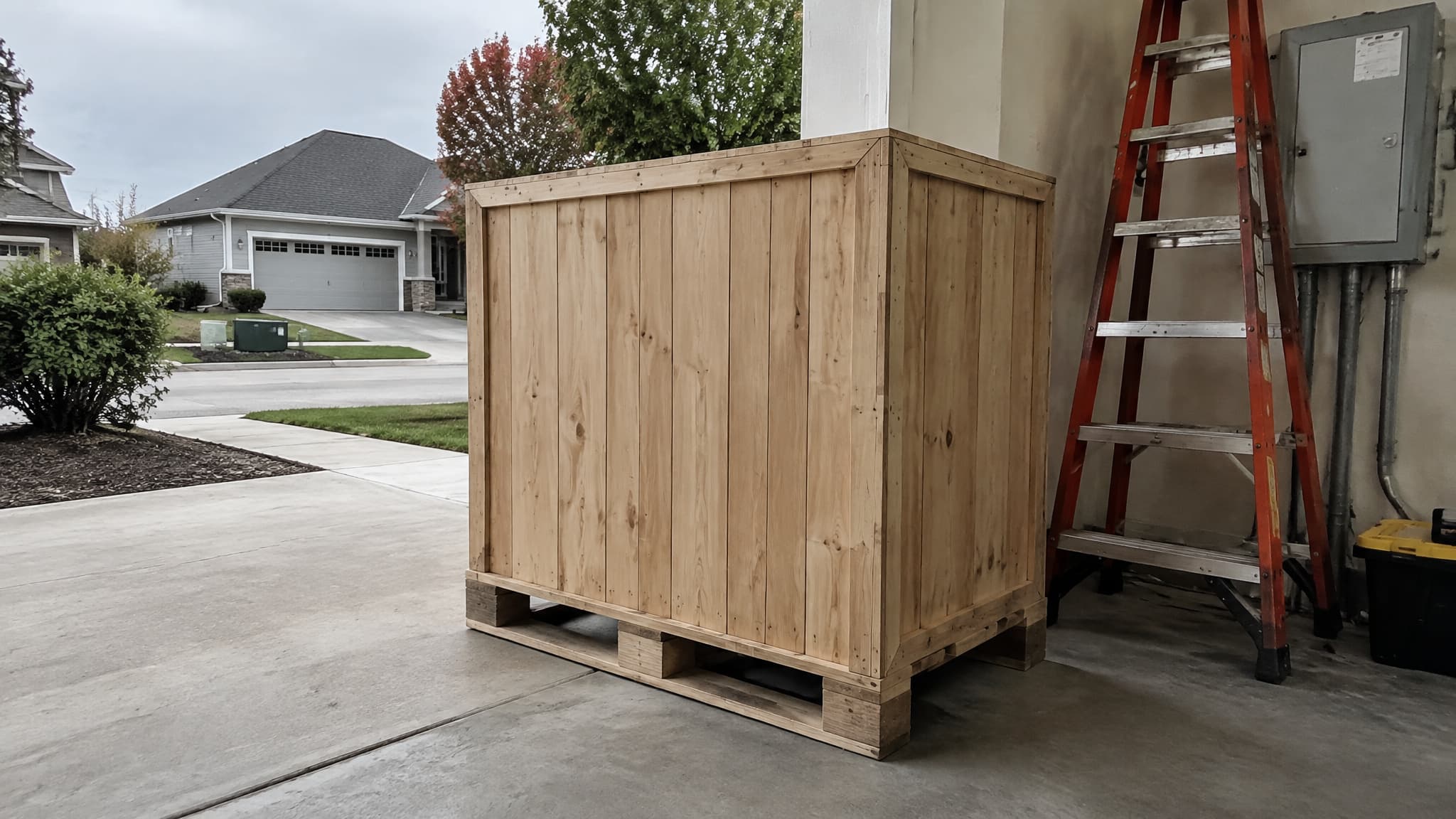
Shipping weight is the other hidden hurdle. Compact wooden cabins can weigh a few hundred pounds, while larger outdoor builds can exceed 1,000 pounds. "Free curbside delivery" means the freight driver leaves those crates at the end of your driveway. Carrying heavy panels up stairs, allowing enough overhead clearance for assembly and service, and planning how much space you need for an infrared sauna are real setup factors you need to solve before the truck pulls up. For outdoor installations, confirm the weatherproofing and site requirements as well.
Owning vs studio sessions: the cost math
If you only plan to sauna two or three times a month, we tell people not to buy a home cabin: paying $30 to $50 for an occasional studio drop-in or $15 to $25 per effective visit on a $120 to $200 monthly membership beats spending $1,000 to $14,500 upfront plus $3 to $10 a month in electricity, maintenance, and lost floor space. Studios also hand you chilled towels, lounges, and guided breathwork that a box in your spare room can't replicate.
Comparing studio session rates against owning a home unit flips in favor of buying when your routine is built on high frequency and zero commute. That looks like two very different buyers: someone squeezing in quick solo recovery sessions in a small apartment, or a household turning a multi-person backyard unit into a shared wellness hub for family and friends.
A home sauna can make frequent sessions easier to fit around work and family, especially when studio visits involve travel and appointment slots. When comparing purchase options, check delivery charges, financing terms, and any eligibility requirements attached to advertised payment programs.
What the health research shows
To match the cardiovascular and longevity benefits seen in clinical research, you should aim for 4 to 7 sauna sessions per week rather than an occasional weekend visit, though most large-scale evidence comes from traditional Finnish saunas, while infrared-specific research is promising, and a 2021 meta-analysis confirms that heat therapy more broadly reduces blood pressure and improves vascular function. In a landmark Finnish JAMA cohort study (JAMA Internal Medicine), men who bathed 4 to 7 sessions per week had significantly lower rates of sudden cardiac death, coronary heart disease, and all-cause mortality than men who went just once a week. That 4-to-7-times-weekly threshold happens to be the exact usage level where owning a home sauna beats paying studio rates.
Broader literature backs up that regular habit. Reviews published in Mayo Clinic Proceedings in 2018 and 2023 tied frequent sauna use to lower blood pressure, reduced inflammation, and a decreased risk of hypertension, dementia, and respiratory disease, with the 2023 review pointing to sauna bathing as a practical option when someone can't meet standard exercise guidelines. A 2025 review in Frontiers in Cardiovascular Medicine found that your body's physiological response in a sauna closely mirrors moderate aerobic exercise, which helps if limited mobility makes workouts tough, and Dr. Neil Paulvin, MD, notes that high sauna heat boosts circulation, dials down chronic pain and inflammation, loosens stiff joints, and supports immunity.
As a 2021 heat-therapy meta-analysis (which confirmed better vascular function and lower blood pressure) pointed out, the biggest mortality studies were run in hotter traditional Finnish saunas. Infrared-specific trials look promising, just on a smaller scale.
Infrared sauna safety and EMF questions
Yes, infrared saunas carry mild, everyday heat risks, most commonly dehydration, dizziness, and light-headedness if you stay in too long without water, and because your heart has to work harder to circulate blood in higher temperatures, you should check with your doctor before starting if you have hypotension (low blood pressure), certain heart conditions, are pregnant, or take medications that affect how your body regulates heat. Beyond heat, infrared saunas use harmless lightwaves on the electromagnetic spectrum, and the World Health Organization (WHO) notes that everyday low-level EMF exposure hasn't been shown to cause health effects.
If you've gone down an internet rabbit hole worrying about electromagnetic fields or whether heating panels pose long-term health dangers, you can breathe easy. In the sauna world, a "low-EMF rating" typically means the cabin's radiation measures under 3 milligauss at seating distance. More importantly, the World Health Organization (WHO) states that everyday low-level EMF exposure hasn't been shown to cause health effects.
Because users sit close to the emitters, heater design and measurement distance matter when comparing EMF specifications. Here at SaunaCloud, low-EMF VantaWave heaters are part of our approach. Ask for measurements taken at the seating position so you can compare cabins on a consistent basis.
Questions to ask before paying
Before you hand over a credit card to a big-box retailer or a boutique builder, ask three hardware questions that expose hidden pricing:
- Is red light therapy included in the base cabin price, or sold as a separate add-on?
- How many infrared wavelengths does the heating system actually cover?
- Does the seller provide published irradiance measured at a stated distance from the panel (without a specific measurement distance, irradiance numbers are meaningless marketing)?
Once you have those answers, calculate your real price as the cabin sticker price plus electrical installation plus monthly electricity over the warranty lifespan of the unit.
Frequently Asked Questions
How much do infrared sauna sessions cost at a studio?
A single 30-to-45-minute drop-in at an infrared studio typically runs $30 to $50, while general urban wellness studios range from $25 to $60. In expensive markets like New York City or Los Angeles, single visits climb up to $75, and high-end spas or bookings loaded with extras like chromotherapy, aromatherapy, or sound healing can top $80. The private suites common in infrared studios also carry a premium for intimacy and control compared to shared saunas at gyms or co-ed spas, though multi-session packages cut 10% to 30% off single visits and $120-to-$200 monthly memberships drop your effective cost to $15 to $25 per session.
How much does an infrared sauna cost to buy for home use?
Home pricing depends entirely on the format and heater tech you choose. Portable steam tents, pods, and blankets run $75 to $900, while entry-level and mid-range far-infrared wooden cabins sit between $1,000 and $4,000. If you want a full-spectrum cabin with near, mid, and far wavelengths, integrated red light therapy, or a custom build, expect to spend $5,000 to $14,500 or more.
Is a sauna membership cheaper than paying per session?
Yes, as soon as you go at least twice a week. Monthly studio memberships typically cost $120 to $200, which brings your per-session price down to $15 to $25 instead of the standard $30 to $50 drop-in fee. If you don't want recurring monthly billing, buying a 5-, 10-, or 20-visit package usually knocks 10% to 30% off the single-visit rate.
Do infrared saunas take a lot of electricity to run?
Not at all, once the cabin is wired and running, the impact on your utility bill is tiny. A standard 45-minute sweat in a 1,500W to 3,000W unit costs about $0.10 to $0.30 because the panels warm up in just 15 to 20 minutes. Even if you use your sauna every single day, it only adds roughly $3 to $10 a month to your electric bill.
What electrical requirements does a home infrared sauna need?
Electrical requirements depend on the heater system and cabin configuration. Many smaller units use 120V power, while larger or higher-output units may need a dedicated 240V circuit. Even a 120V sauna can require a specialized receptacle or higher-amperage circuit. Follow the manufacturer's installation instructions and have a licensed electrician confirm the circuit and outlet requirements.
Is a portable infrared sauna blanket worth it compared to a full cabin?
A $75 to $900 portable blanket or tent makes sense if you rent, need to stash your gear in a closet, and only have a standard 120V outlet. The trade-off is giving up wooden benches, breathing room, and even, full-body surround heat for wipe-down fabric and cramped seating. In our experience, plenty of buyers who use a tent or blanket four nights a week eventually get tired of the tight fit and upgrade to a mid-range wooden cabin.
When is buying a home infrared sauna not worth it versus studio sessions?
If you only plan to sweat two or three times a month, skip buying a cabin. Paying $30 to $50 for an occasional studio visit, or $15 to $25 per session on a membership, makes way more financial sense than dropping $1,000 to $14,500+ upfront, giving up permanent floor space, and wiring a dedicated circuit. Plus, studios include amenities like chilled towels, recovery lounges, and guided breathwork that a home box can't match.
How do I choose between infrared sauna studios near me?
Look past the base session rate and check whether you're booking a private suite or a shared space. Shared saunas inside gyms or co-ed bathhouses are much cheaper, and sometimes included in gym dues, but you give up privacy and thermostat control. At dedicated studios with private rooms, compare what's baked into the entry price (like robes, herbal tea, and cooling lounges) versus upcharges for add-ons like chromotherapy or sound healing, and check if a 60-minute slot offers better per-minute value than a 30-minute visit.

Founder & Lead Designer, SaunaCloud®
SaunaCloud: 3,000+ installations since 2014 · Author of The Definitive Guide to Infrared Saunas · Featured in Forbes, Inc., and MSN
Christopher designs every SaunaCloud sauna. His work brings the room, heaters, controls and installation plans together so you can review the project before committing. His professional expertise is sauna design and construction, not clinical medicine.
Custom 3D renderings and a proposal in 24-48 hours.
Continue Reading
Buying & Comparison Guides
Infrared Sauna Industry Statistics: $3.64B Growth by 2033
Read article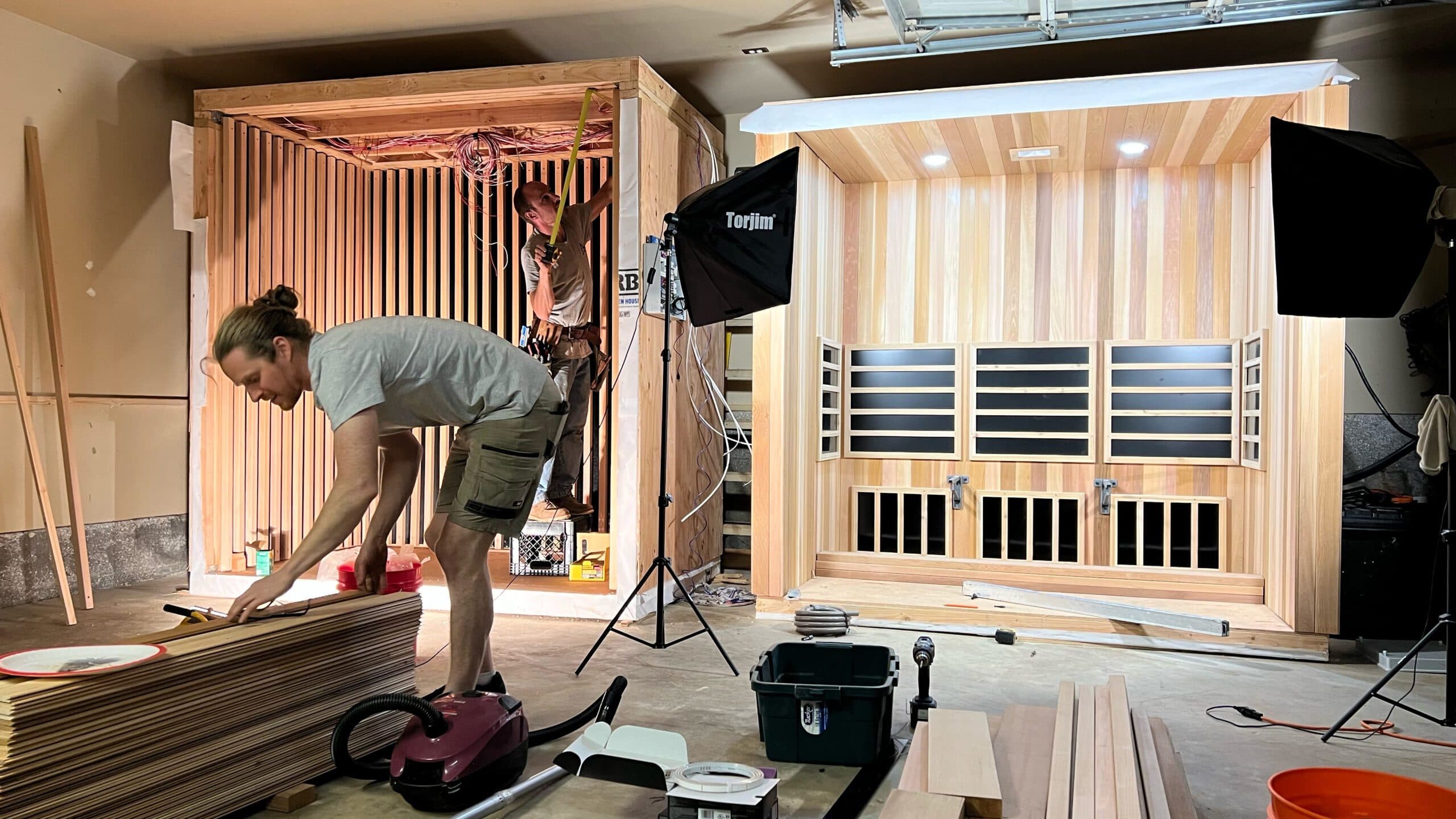
Buying & Comparison Guides
Infrared Sauna Kits: The 6-Inch Rule for Real Therapy
Read article
Buying & Comparison Guides
Infrared Sauna Price by Size and Type (1-Person to 4-Person, Far vs Full Spectrum): What Meter Testing Shows at Each Price Tier
Read articleReady to Design Your Sauna?
Every project starts with a conversation. Tell us about your space and we'll create your custom plan — free, no obligation.
Custom 3D renderings and a proposal in 24-48 hours.