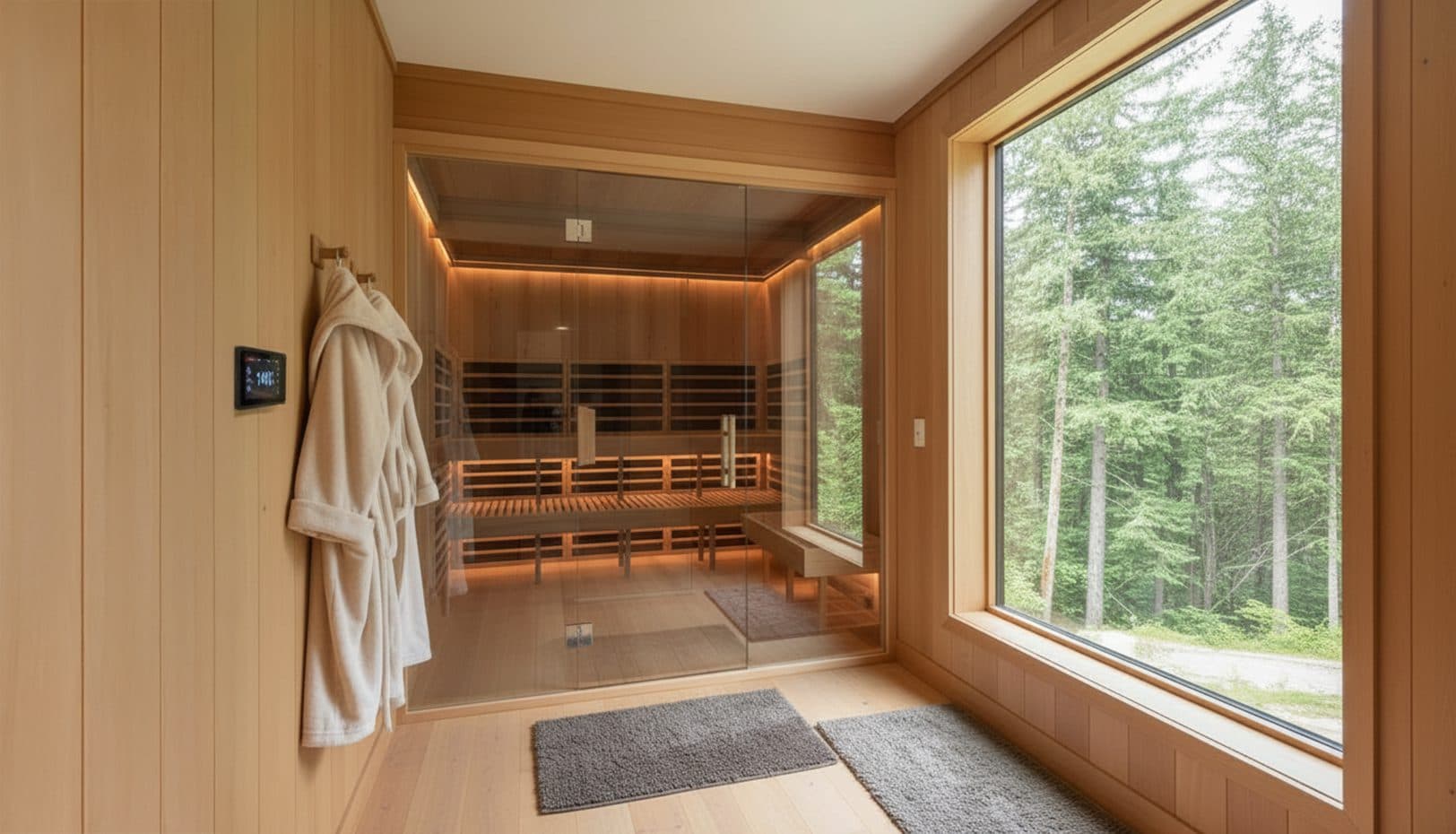
Types of Home Saunas: A Complete Buyer's Guide
Key Takeaways
- Traditional Finnish saunas heat the air to 150–195°F and require dedicated ventilation, drainage, and typically a 240-volt circuit — they deliver intense dry heat but demand the most installation work.
- Infrared saunas operate at a gentler 110–150°F by warming your body directly with far-infrared wavelengths, using a standard 120-volt outlet in most cases and fitting into smaller spaces.
- Steam saunas saturate the enclosure with 100-percent humidity at 110–120°F, providing respiratory benefits but requiring waterproof construction, a steam generator, and proper drainage.
- Hybrid units combine infrared panels with a traditional convection heater, giving you both radiant and convective heat in one cabin — but they cost more and add electrical complexity.
- The best sauna type depends on your health goals, available space, electrical capacity, and budget — infrared wins on daily usability and lower operating costs for most residential buyers.
In This Article
If you are researching home saunas for the first time, the sheer number of options can feel overwhelming. Traditional Finnish, infrared, steam, barrel, hybrid — each type heats the body through a fundamentally different mechanism, and each comes with its own installation footprint, electrical demand, and long-term operating cost. Choosing the wrong category means spending thousands of dollars on something that sits unused after the novelty fades.
As the founder of SaunaCloud, I have spent over twelve years designing and building custom infrared saunas for residential clients across the country. That experience has given me a granular, unvarnished understanding of how each sauna type performs in real homes — not in showrooms or marketing brochures. This guide distills everything I have learned into a single, actionable comparison so you can make a confident purchasing decision.
How Saunas Heat the Body: The Core Distinction
Every sauna falls into one of three heating categories: convective air heating, radiant infrared heating, or steam-based humid heating. Understanding this distinction is the single most important step in your buying process because it determines the temperature range, the electrical requirements, the construction materials, and ultimately how the sauna feels during a daily session.
Convective saunas — the traditional Finnish model — heat the air inside the cabin to between 150°F and 195°F. You sit in the hot air, and your skin temperature rises in response. Radiant infrared saunas skip the air entirely and use infrared heater panels that emit far-infrared wavelengths absorbed directly by your body at much lower ambient temperatures of 110–150°F. Steam saunas (also called steam rooms) generate wet heat by injecting steam into a sealed enclosure, saturating the air with near 100-percent humidity at around 110–120°F.
Traditional Finnish Saunas
The traditional Finnish sauna is the oldest and most culturally rooted form of heat bathing. A powerful electric or wood-fired heater warms a stack of sauna stones, radiating intense dry heat throughout the cabin. Bathers may pour water over the stones to create a burst of steam — known as löyly — temporarily spiking humidity before it dissipates.
Pros of Traditional Saunas
- Authentic, high-temperature experience (150–195°F) with optional steam bursts.
- Well-established cultural tradition backed by extensive Finnish epidemiological research.
- Excellent for social bathing — larger cabins accommodate multiple people comfortably.
- Wood-fired options operate completely off-grid, making them ideal for rural cabins.
Cons of Traditional Saunas
- Requires a dedicated 240-volt circuit (typically 30–60 amps) for electric heaters.
- Demands proper ventilation, drainage, and often a concrete or tile floor.
- Longer preheat time — 30 to 45 minutes before the cabin reaches target temperature.
- Higher operating cost due to sustained high-wattage draw over long sessions.
- Extreme air temperatures can be uncomfortable or medically inadvisable for some users.
Installation Requirements
A traditional sauna requires a well-insulated, ventilated room with heat-resistant wall and ceiling materials — typically softwood like Western Red Cedar or hemlock. The floor must handle water exposure if you plan to use löyly. Electrically, most residential heaters need a 240V/40A dedicated circuit wired by a licensed electrician. Wood-burning stoves eliminate the electrical requirement but add a chimney or flue.
Infrared Saunas
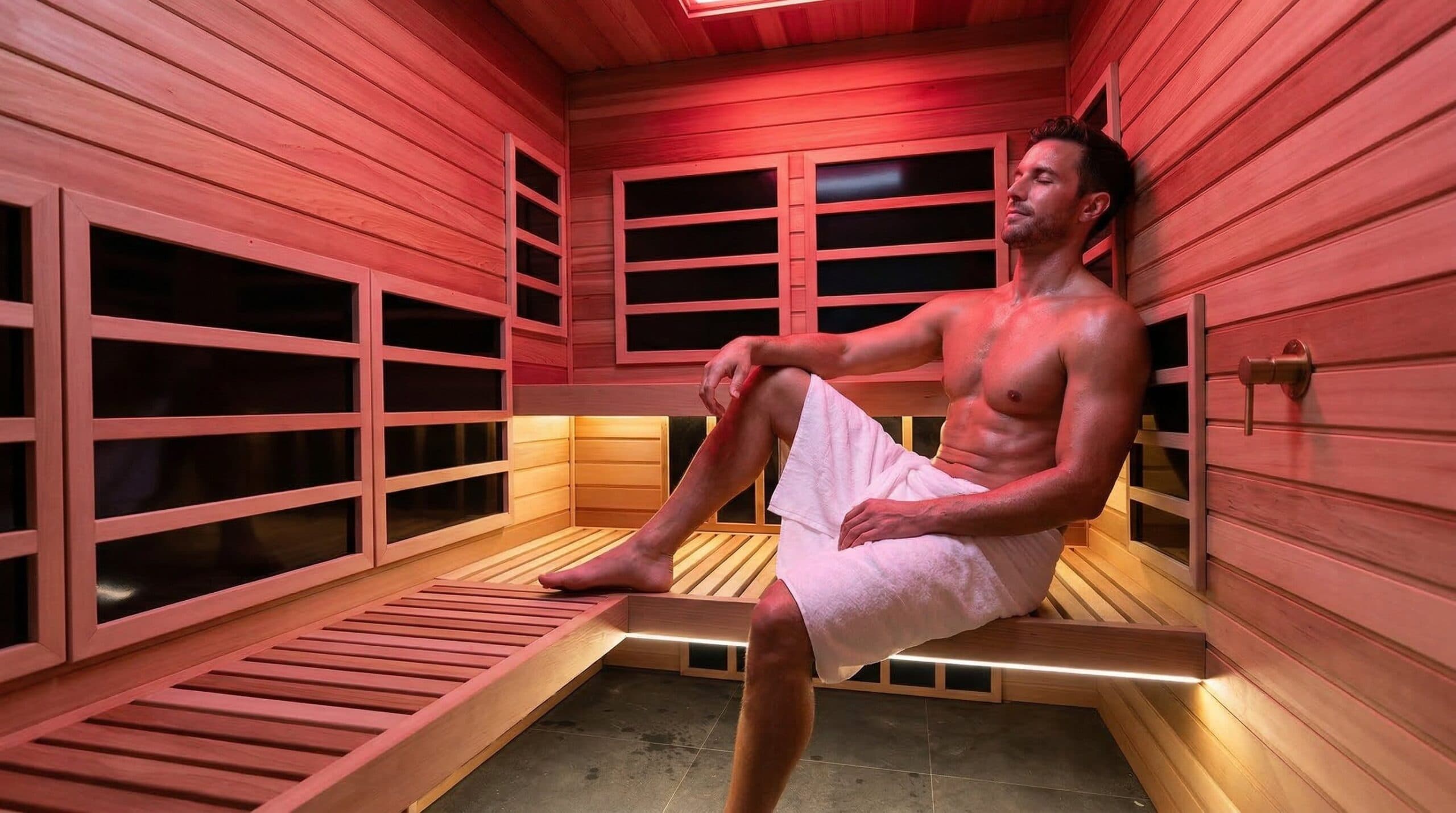
Infrared saunas represent the most significant evolution in home sauna technology over the past two decades. Instead of heating the surrounding air, infrared panels emit far-infrared radiation — wavelengths between 5.6 and 15 microns — that penetrate the skin and warm your body from the inside out. The result is a deep, therapeutic sweat at cabin temperatures that rarely exceed 150°F.
This gentler ambient temperature is precisely why infrared saunas have become the dominant choice for daily home use. You can comfortably sit for 30 to 45 minutes, read, meditate, or stretch without the oppressive air heat of a Finnish cabin. The full spectrum of infrared wavelengths — near, mid, and far — each targets different tissue depths and biological responses, from surface-level skin rejuvenation to deep muscular recovery and cardiovascular conditioning.
Pros of Infrared Saunas
- Lower operating temperature (110–150°F) makes sessions comfortable and accessible for most people.
- Most residential models run on a standard 120-volt household outlet — no electrician required.
- Fast preheat time of 10 to 15 minutes compared to 30–45 minutes for traditional saunas.
- Lower energy consumption — typically 1,200 to 1,800 watts versus 4,500 to 9,000 watts for traditional heaters.
- Compact footprint allows installation in bedrooms, closets, basements, or garages.
- Deep tissue penetration supports detoxification, pain relief, and cardiovascular health.
Cons of Infrared Saunas
- Does not produce the high-temperature löyly experience of a traditional Finnish sauna.
- Heater quality varies enormously — cheap carbon panels deliver weak, uneven heat with high EMF.
- No steam or humidity — the environment is entirely dry.
- Some users accustomed to extreme heat may find infrared sessions underwhelming at first.
Installation Requirements
Infrared saunas are the easiest type to install in a home. A custom-built infrared cabin can be designed to fit nearly any space — a spare room corner, a walk-in closet, a garage bay, or an outdoor backyard enclosure. Most units plug into a standard 15-amp or 20-amp 120V outlet. No special ventilation, drainage, or waterproofing is required. The construction quality of the cabin itself matters enormously — solid wood joinery, low-VOC finishes, and properly shielded wiring determine both longevity and safety.
Steam Saunas and Steam Rooms
A steam sauna — more accurately called a steam room — generates wet heat by boiling water in an external steam generator and piping it into a sealed, waterproof enclosure. The air temperature stays relatively low (110–120°F) but the humidity reaches nearly 100 percent, creating an intensely moist environment that opens airways and drenches the skin.
Pros of Steam Saunas
- Excellent for respiratory health — high humidity opens sinuses and soothes irritated airways.
- Lower air temperature is easier to tolerate for people sensitive to dry heat.
- Skin hydration benefits from sustained moisture exposure during sessions.
- Familiar spa-like experience that many users find relaxing and luxurious.
Cons of Steam Saunas
- Requires a fully waterproof enclosure — tile, stone, or acrylic surfaces throughout.
- External steam generator adds cost, plumbing complexity, and a maintenance burden (descaling).
- Mandatory floor drain and sloped surfaces to manage constant condensation.
- High humidity accelerates mold and mildew if the room is not properly sealed and ventilated.
- Typically requires a 240-volt circuit for the steam generator.
- Not suitable for wood construction — moisture will destroy wood cabins over time.
Installation Requirements
Steam rooms demand the most intensive construction of any home sauna type. Every surface — walls, ceiling, floor, and bench — must be fully waterproof. Tile over cement board is the standard approach. A floor drain is mandatory, and the ceiling should be sloped to prevent condensation from dripping onto bathers. The steam generator itself requires a dedicated water line, a 240V electrical circuit, and regular descaling maintenance depending on your water hardness.
Hybrid Saunas: Combining Heating Methods
Hybrid saunas pair infrared panels with a traditional convection heater inside a single cabin, promising the best of both worlds. In theory, you can use infrared-only mode for gentle daily sessions and switch to convection mode when you want a high-temperature Finnish experience. Some hybrid models also integrate red light therapy panels for additional wavelength coverage.
Pros of Hybrid Saunas
- Versatility — switch between infrared and traditional heating depending on your mood or health goal.
- One cabin serves multiple preferences in a household.
- Some models include full-spectrum infrared and red light therapy in a single enclosure.
Cons of Hybrid Saunas
- Higher purchase price due to dual heating systems.
- Increased electrical complexity — may require both 120V and 240V circuits.
- Neither heating mode performs at the level of a dedicated single-purpose sauna.
- More components means more potential points of failure and higher maintenance costs.
Barrel Saunas and Outdoor Units
Barrel saunas have surged in popularity thanks to their distinctive curved profile and relatively turnkey outdoor installation. Most barrel saunas use a traditional wood-fired or electric heater inside a cylindrical cedar shell. The barrel shape promotes natural air circulation and sheds rain and snow efficiently, making them a compelling choice for backyard installations.
However, barrel saunas come with trade-offs. The curved walls limit interior bench space, the stave-and-band construction can develop gaps as wood expands and contracts seasonally, and insulation is minimal in most models. For cold-climate owners, preheating a barrel sauna in winter can take well over an hour. They also rarely accommodate infrared panels due to the curved interior surfaces.
Cost Comparison: What Each Type Actually Costs
Price is often the first filter buyers apply, but the sticker price of the sauna unit itself tells only part of the story. Installation, electrical work, and long-term operating costs vary dramatically by type.
- Traditional Finnish (electric): $3,000–$8,000 for the unit, plus $500–$2,000 for electrical work and ventilation modifications. Monthly operating cost: $30–$80 depending on usage frequency.
- Traditional Finnish (wood-fired): $2,500–$6,000 for the unit and stove, plus chimney/flue installation. Ongoing cost is firewood — roughly $10–$30 per month with regular use.
- Infrared sauna (prefab): $1,500–$5,000 for budget to mid-range units. Minimal installation cost — plug and use. Monthly operating cost: $10–$25.
- Infrared sauna (custom-built): $5,000–$15,000+ depending on size, wood species, heater quality, and features. Installation included with reputable builders. Monthly operating cost: $10–$25.
- Steam room: $3,000–$6,000 for the generator, plus $5,000–$15,000+ for full waterproof construction. Monthly operating cost: $20–$50 plus periodic descaling.
- Hybrid sauna: $4,000–$10,000 for the unit, plus potential additional electrical work. Monthly operating cost: $15–$40 depending on which mode you use.
- Barrel sauna: $3,000–$8,000 for the unit. Minimal installation — usually placed on a gravel pad or concrete slab. Monthly operating cost depends on heater type.
Electrical Requirements at a Glance
Electrical capacity is a non-negotiable constraint that eliminates certain sauna types for many homes. Before you fall in love with a particular model, verify what your electrical panel can support.
- Traditional electric sauna heater: 240V, 30–60 amp dedicated circuit. Requires licensed electrician.
- Infrared sauna (most residential models): 120V, 15–20 amp standard outlet. No electrician needed.
- Infrared sauna (large custom builds): Some require a 120V/20A dedicated circuit or occasionally 240V for oversized cabins.
- Steam generator: 240V, 30–50 amp dedicated circuit. Requires licensed electrician and plumber.
- Hybrid sauna: Varies — may need both 120V and 240V circuits depending on the convection heater size.
Which Sauna Type Fits Your Daily Routine?
The sauna that gets used every day is the sauna that was designed around your actual routine — not around an aspirational fantasy. Here is how each type maps to common daily use patterns.
If you want a quick 20-minute morning session before work, an infrared sauna is the clear winner. It preheats in 10–15 minutes, operates quietly, and you can step out without needing a cool-down room. If you prefer a longer, more social experience on weekends with intense heat and steam bursts, a traditional Finnish sauna delivers that ritual. If respiratory health is your primary concern and you have the budget for waterproof construction, a steam room provides unmatched humidity therapy.
The best sauna is the one you actually use. A $15,000 traditional sauna that sits cold because it takes 45 minutes to preheat is a worse investment than a $5,000 infrared cabin that you use five mornings a week.
For most residential buyers, infrared saunas strike the optimal balance of therapeutic depth, daily usability, installation simplicity, and operating cost. They fit into existing spaces without major renovation, they preheat quickly, they run on household current, and they deliver clinically meaningful heat exposure in every session. That is why we build them — and that is what we have seen transform our clients' health over thousands of installations.
What to Look for in Any Home Sauna
Regardless of which type you choose, several quality indicators apply across all categories. These are the details that separate a sauna you will love for a decade from one that disappoints within a year.
- Wood species: Western Red Cedar is the gold standard for its natural rot resistance, aromatic properties, and thermal stability. Avoid plywood, particle board, or tropical hardwoods treated with chemical preservatives.
- Heater quality: Whether electric stones or infrared panels, the heater is the heart of the sauna. Look for low-EMF certification, even heat distribution, and a warranty of at least five years.
- Construction joinery: Tongue-and-groove solid wood construction outperforms glued panels in durability, heat retention, and off-gassing safety.
- Control system: Digital controllers with programmable presets, session timers, and safety shutoffs make daily use effortless.
- Ventilation: Even infrared saunas benefit from passive airflow. Traditional and steam saunas require active ventilation systems.
Frequently Asked Questions
Frequently Asked Questions
Frequently Asked Questions
Frequently Asked Questions
Frequently Asked Questions
Frequently Asked Questions
Frequently Asked Questions
Frequently Asked Questions

Founder & Lead Designer, SaunaCloud®
SaunaCloud: 3,000+ installations since 2014 · Author of The Definitive Guide to Infrared Saunas · Featured in Forbes, Inc., and MSN
Christopher designs every SaunaCloud sauna. His work brings the room, heaters, controls and installation plans together so you can review the project before committing. His professional expertise is sauna design and construction, not clinical medicine.
Custom 3D renderings and a proposal in 24-48 hours.
Continue Reading
Safety & Best Practices
Infrared Sauna Side Effects: Normal Responses, Preventable Problems, and Genuine Concerns (2026)
Read article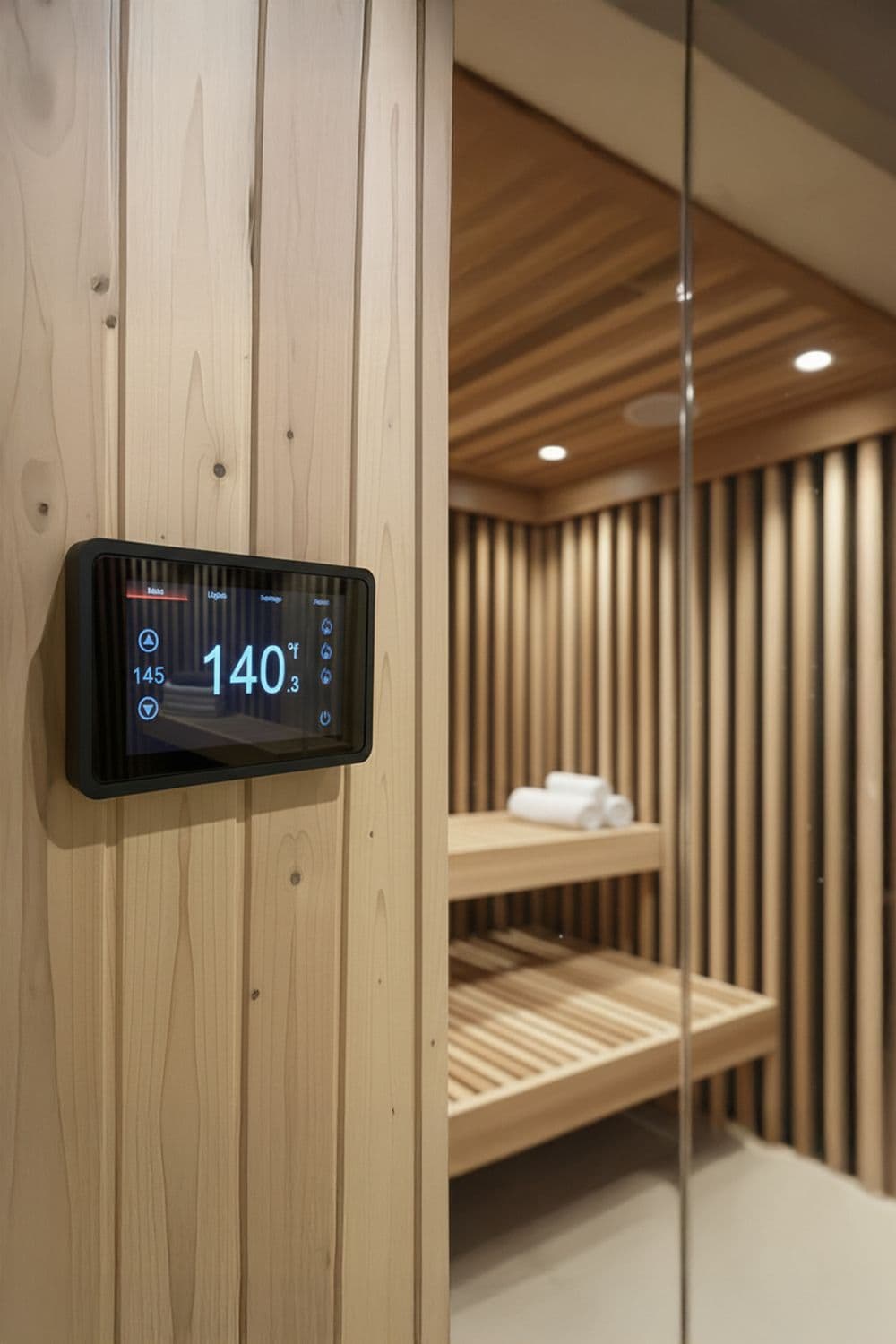
Guides
Why Premium Materials Matter in Infrared Saunas: The Italian Ingredient Philosophy
Read article
Tips & Routines
The Infrared Sauna Daily Routine: Five Session Types for Every Day of Your Week (2026)
Read article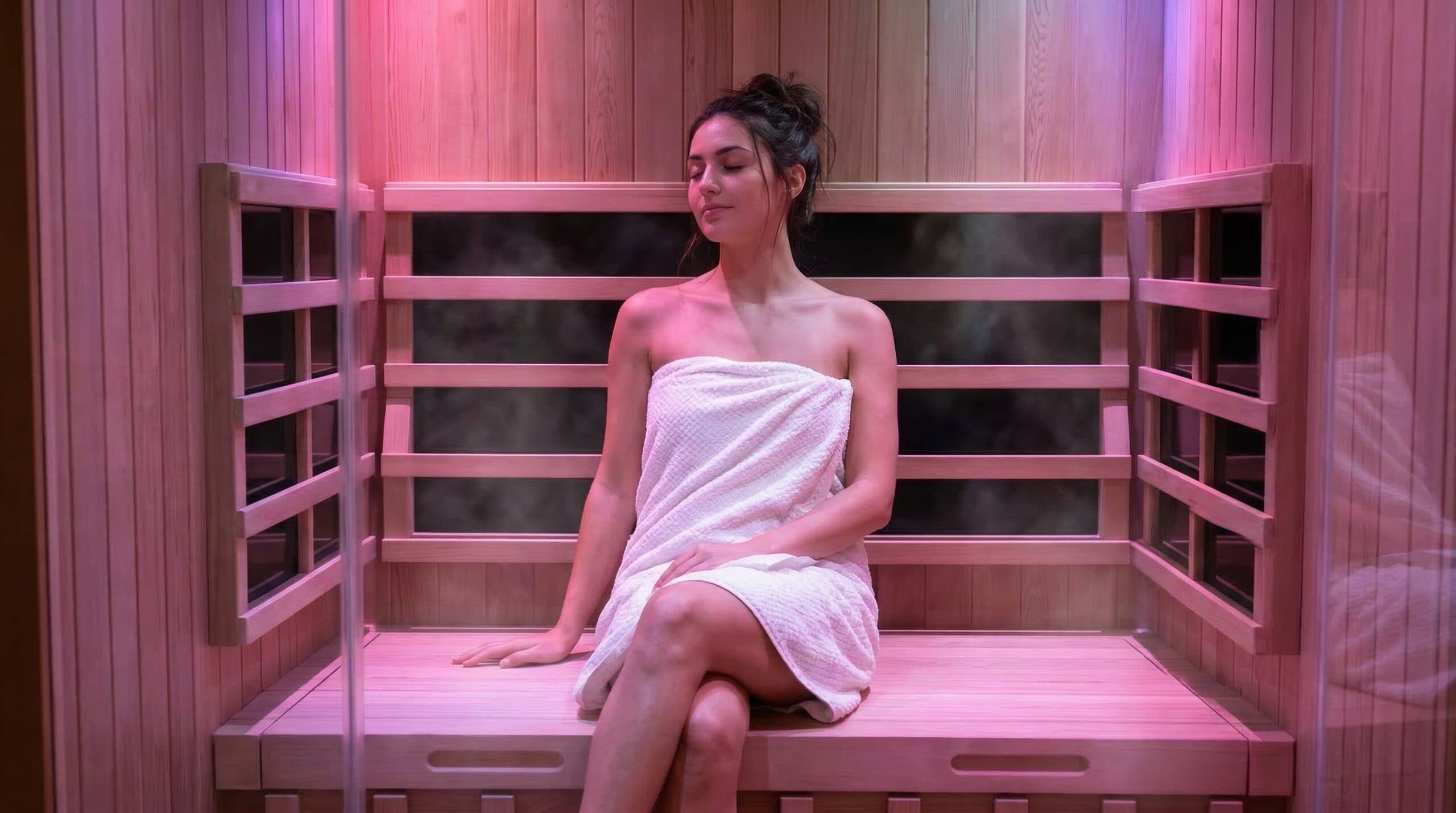
Buying & Comparison Guides
Infrared Sauna Industry Statistics: $3.64B Growth by 2033
Read articleFind Your Perfect Sauna Type
Whether you want a custom-built infrared cabin or an outdoor installation, we design every sauna to fit your space and your life.
Custom 3D renderings and a proposal in 24-48 hours.