
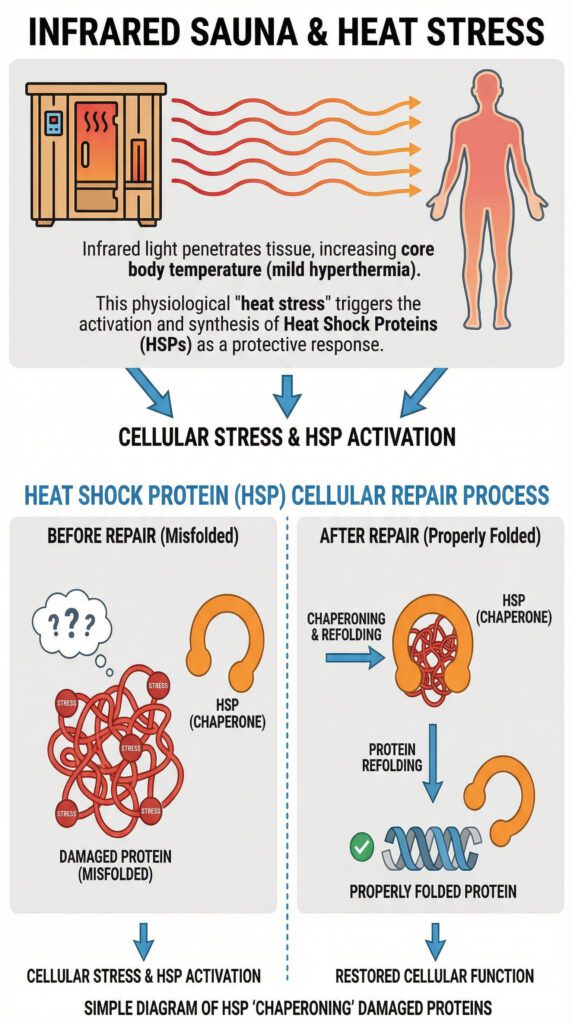
Your cellular repair system is more powerful than you think — and heat is the key to unlocking it.
Introduction: Why Infrared Saunas and Heat Shock Proteins Are a Game-Changer for Your Health
If you’ve ever worked out until you were drenched in sweat, sat in a sauna until your skin tingled, or powered through a long run on a hot day, you’ve already activated one of your body’s most powerful repair systems — heat shock proteins (HSPs).
The connection between infrared saunas and heat shock proteins represents one of the most exciting discoveries in longevity science. When you raise your core body temperature through controlled heat exposure, you don’t just burn calories. You trigger a sophisticated cellular defense mechanism that protects against damage, repairs stressed tissues, and strengthens your resilience to nearly every kind of physical and environmental stress.
This is the fascinating part: When you “stress” your body using controlled heat (not dangerously, but intentionally), it doesn’t break down — it adapts. It builds better cells. It prepares for future stress. And that transformation happens with the help of HSPs.
Regular sauna use simulates a low-grade fever, mobilizing your immune system and boosting your body’s internal repair mechanisms. Far infrared heat penetrates deep into your tissues, making it one of the most effective ways to trigger heat shock protein production without the discomfort of traditional steam rooms.
In this comprehensive guide, you’ll discover:
- What heat shock proteins are and how they protect your cells
- Why the relationship between infrared saunas and heat shock proteins extends your healthspan
- How sauna-induced HSPs improve athletic recovery and performance
- The connection between HSPs, brain health, and reduced dementia risk
- Why a custom infrared sauna is the most accessible tool for activating these cellular repair proteins
- Practical protocols for maximizing heat shock protein benefits
By the end, you’ll understand why HSPs are revolutionizing our approach to wellness — and why investing in heat therapy may be one of the most intelligent health decisions you can make.
What Are Heat Shock Proteins?
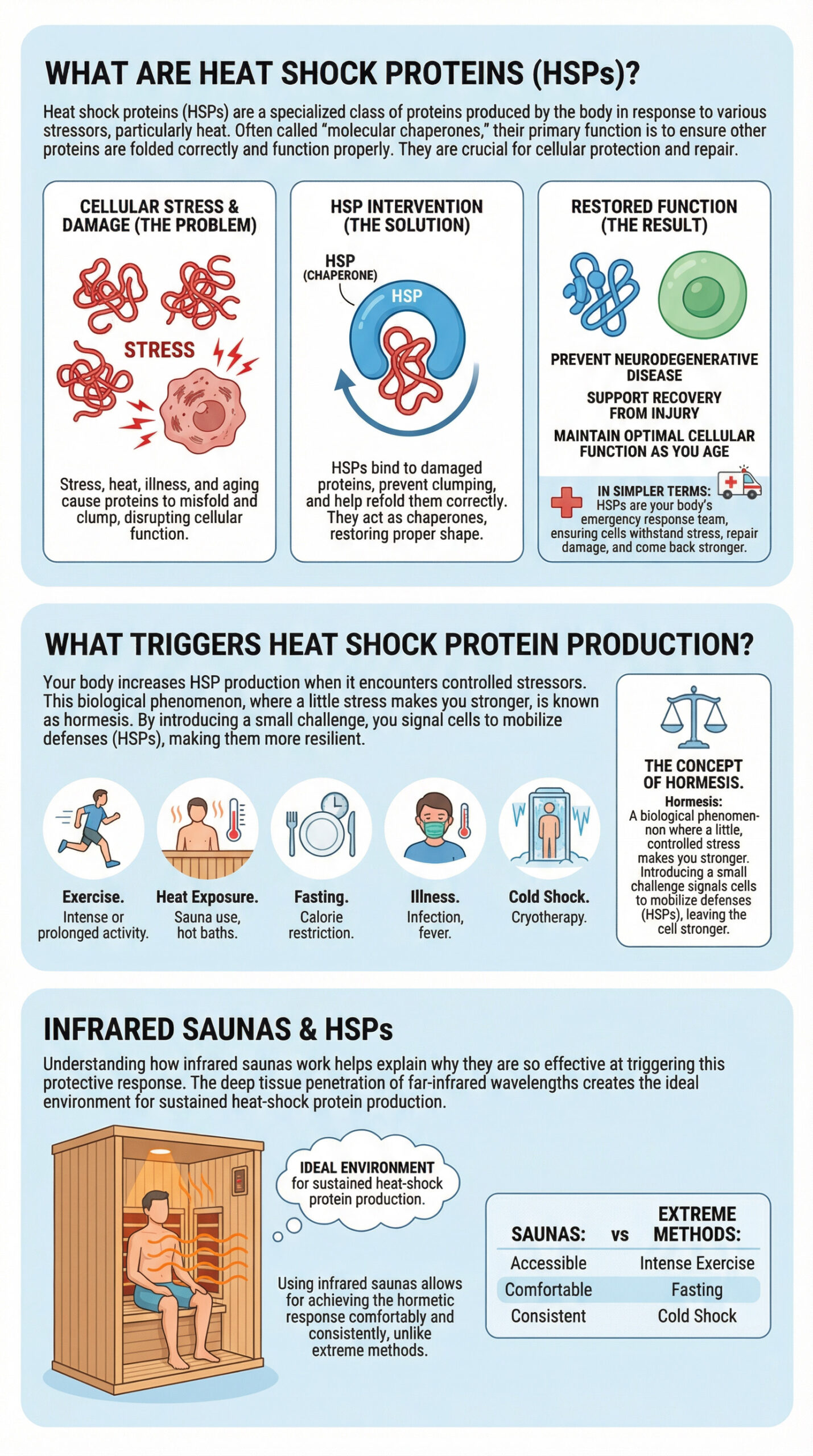
Heat shock proteins (HSPs) are a class of proteins your body produces when it encounters stress, particularly heat stress. Scientists sometimes call them “molecular chaperones” because their job is to escort other proteins into proper shape and function.
Heat shock proteins protect and repair your body at the cellular level:
They help fold new proteins correctly, refold misfolded ones, and prevent damaged proteins from clumping together — a key process in preventing neurodegenerative disease, supporting recovery from injury, and maintaining optimal cellular function as you age.
In simpler terms: HSPs are your body’s emergency response team for cellular health. They’re the reason your cells can withstand stress, repair damage, and come back stronger. Without them, cells would struggle to maintain structure and function under stress, leading to malfunction and eventual death.
Understanding how infrared saunas work helps explain why they’re so effective at triggering this protective response. The deep tissue penetration of far-infrared wavelengths creates the ideal environment for sustained heat-shock protein production.
What Triggers Heat Shock Protein Production?
Your body ramps up HSP production in response to several controlled stressors:
- Exercise (especially intense or prolonged activity)
- Heat exposure (like sauna use or hot baths)
- Fasting or calorie restriction
- Illness or infection
- Cold shock (as in cryotherapy)
Each of these stressors induces a mild, controlled form of hardship that trains your body to become more resilient. This concept is known as hormesis — a biological phenomenon where a little stress makes you stronger.
Hormesis is a fundamental principle of adaptation. By intentionally introducing a small, non-damaging amount of heat stress, you signal to your cells that a challenge is coming, and they respond by mobilizing their defenses (HSPs), which leaves the cell fundamentally stronger and better prepared for the future.
The beauty of using infrared saunas and heat shock proteins together is that you can achieve this hormetic response comfortably and consistently. Unlike extreme exercise or fasting, sauna sessions are accessible to almost everyone and can be done multiple times per week without excessive physical demand.
How Infrared Saunas and Heat Shock Proteins Work Together
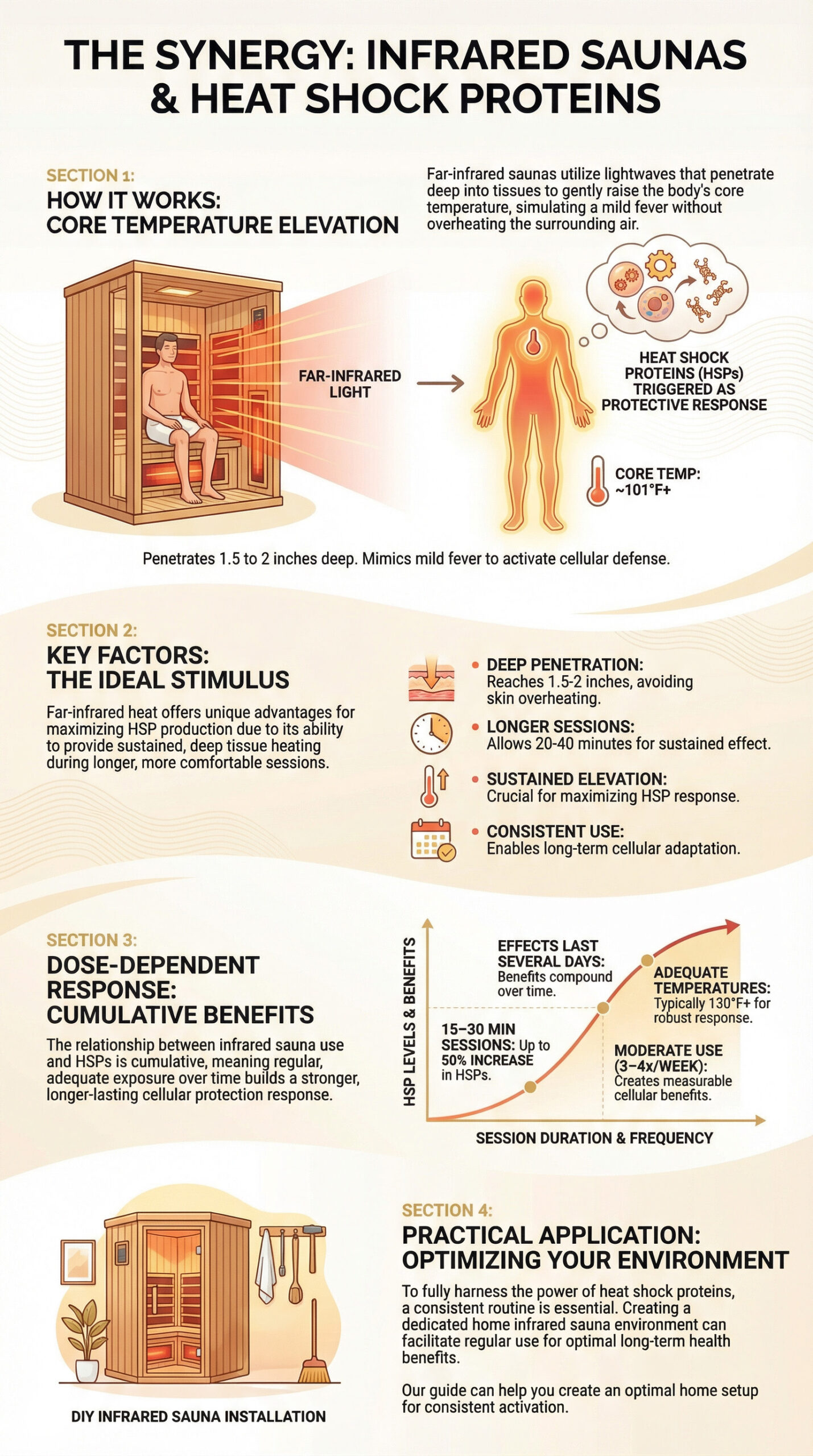
When you sit in a far-infrared sauna, your body undergoes a subtle yet powerful transformation. Unlike traditional saunas that heat the air around you, far infrared light penetrates tissues directly, causing a gentle increase in your core body temperature. Your core temperature typically increases to around 101°F or higher — mimicking a mild fever. This elevation triggers your cells to begin producing HSPs as a protective response.
Far infrared heat is the ideal stimulus for HSP production because:
- It penetrates 1.5 to 2 inches deep into tissues without overheating the skin or air around you
- It allows longer, more comfortable sessions (20-40 minutes) compared to traditional saunas
- It creates sustained core temperature elevation, which is key for maximizing HSP response
- It enables consistent use, which is critical for long-term cellular adaptation
In clinical studies, sauna sessions lasting 15–30 minutes have been shown to elevate HSP levels by as much as 50% or more, with effects lasting for several days. This means the benefits compound over time with regular use.
The relationship between infrared saunas and heat shock proteins is dose-dependent: longer sessions at adequate temperatures (typically 130°F or above) produce more robust HSP responses. However, even moderate use 3-4 times per week creates measurable cellular benefits.
If you’re considering building your own setup, our guide to DIY infrared sauna installation can help you create an optimal environment for heat shock protein activation at home.
Why Infrared Saunas Are Superior for Heat Shock Protein Activation
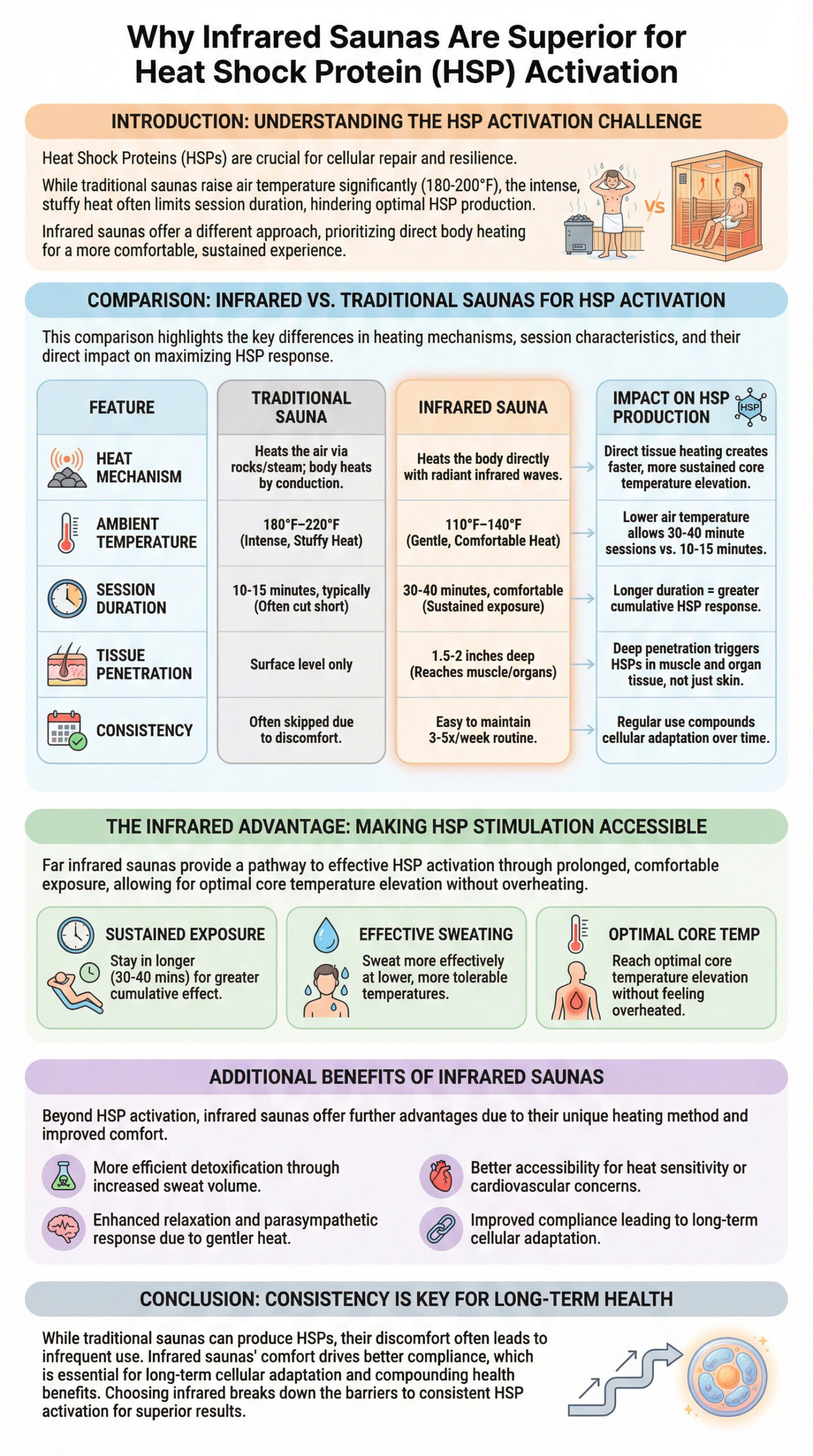
The difference between traditional and infrared saunas is significant when your goal is maximizing HSP production. Traditional saunas rely on steam or heated rocks to raise the air temperature to 180-200°F, which can make long sessions uncomfortable. Many people find themselves cutting sessions short due to the intense, stuffy heat.
Here’s how infrared and traditional saunas compare for HSP activation:
Feature: Traditional Sauna Infrared Sauna, Impact on HSP Production
Heat Mechanism: Heats the air via rocks/steam; body heats by conduction. Heats the body directly with radiant infrared waves. Direct tissue heating creates faster, more sustained core temperature elevation
Ambient Temperature 180°F–220°F 110°F–140°F Lower air temperature allows 30-40 minute sessions vs. 10-15 minutes
Session Duration: 10-15 minutes, typically 30-40 minutes, comfortable. Longer duration = greater cumulative HSP response
Tissue Penetration Surface level only 1.5-2 inches deep Deep penetration triggers HSPs in muscle and organ tissue, not just skin
Consistency is often skipped due to discomfort. Easy to maintain 3-5x/week routine. Regular use compounds cellular adaptation over time
Far infrared saunas make HSP stimulation easier and more accessible:
You can stay in longer (30-40 minutes comfortably), sweat more effectively, and reach optimal core temperature elevation without feeling overheated. This sustained exposure is key to maximizing the relationship between infrared saunas and heat shock proteins.
Additional advantages of infrared over traditional:
- More efficient detoxification through increased sweat volume at lower temperatures
- Enhanced relaxation and parasympathetic response due to the gentler heat
- Better accessibility for those with heat sensitivity or cardiovascular concerns
- Improved compliance leading to the consistency necessary for long-term cellular adaptation
Traditional saunas can still produce HSPs, but the comfort factor means most people use them less frequently. Consistency drives long-term cellular adaptation and compounding health benefits.
For those comparing options, why choose infrared? It breaks down the science behind different heating methods and why infrared produces superior results for most health goals.
Longevity, Immunity, and Anti-Aging Benefits of HSPs
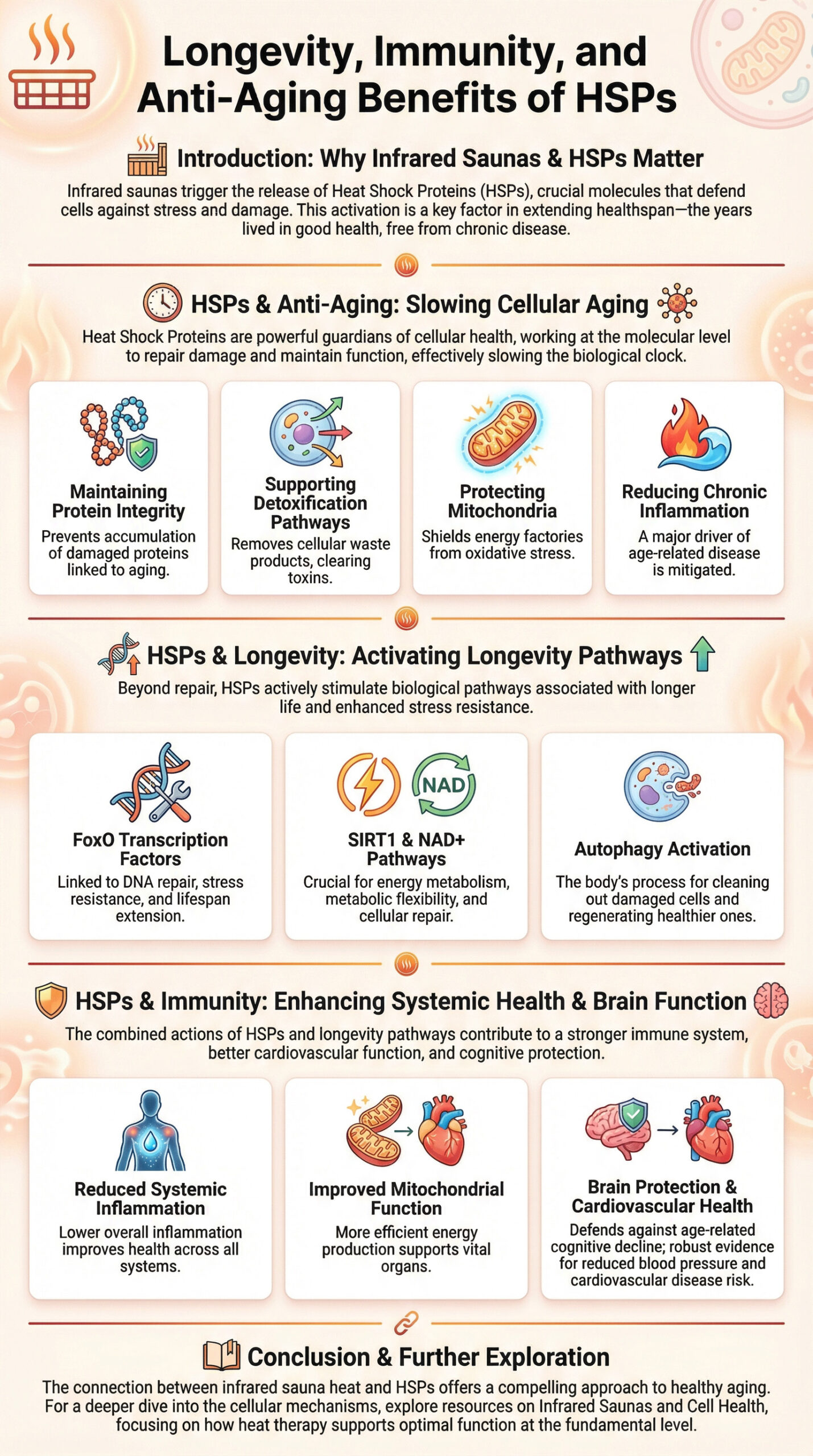
So why does the connection between infrared saunas and heat shock proteins matter so much? Because heat shock proteins help extend your healthspan — the number of years you live in good health, free from chronic disease.
Heat shock proteins slow cellular aging by:
- Maintaining protein integrity and preventing the accumulation of damaged proteins linked to aging
- Supporting detoxification pathways that remove cellular waste products
- Protecting mitochondria (your cells’ energy factories) from oxidative stress
- Reducing chronic inflammation, a driver of virtually every age-related disease
HSPs also activate several longevity pathways, including:
- FoxO transcription factors (linked to DNA repair, stress resistance, and lifespan extension)
- SIRT1 and NAD+ pathways (important in energy metabolism, metabolic flexibility, and cellular repair)
- Autophagy (the body’s way of cleaning out damaged cells and regenerating healthier ones)
Together, these pathways help reduce systemic inflammation, improve mitochondrial function, and even protect your brain from age-related decline. The evidence is robust for cardiovascular health — regular sauna use has been associated with reduced blood pressure and lower rates of cardiovascular disease.
For those interested in the cellular mechanisms, Infrared Saunas and Cell Health explores how heat therapy supports optimal function at the most fundamental level.
Athletic Performance, Endurance, and Recovery
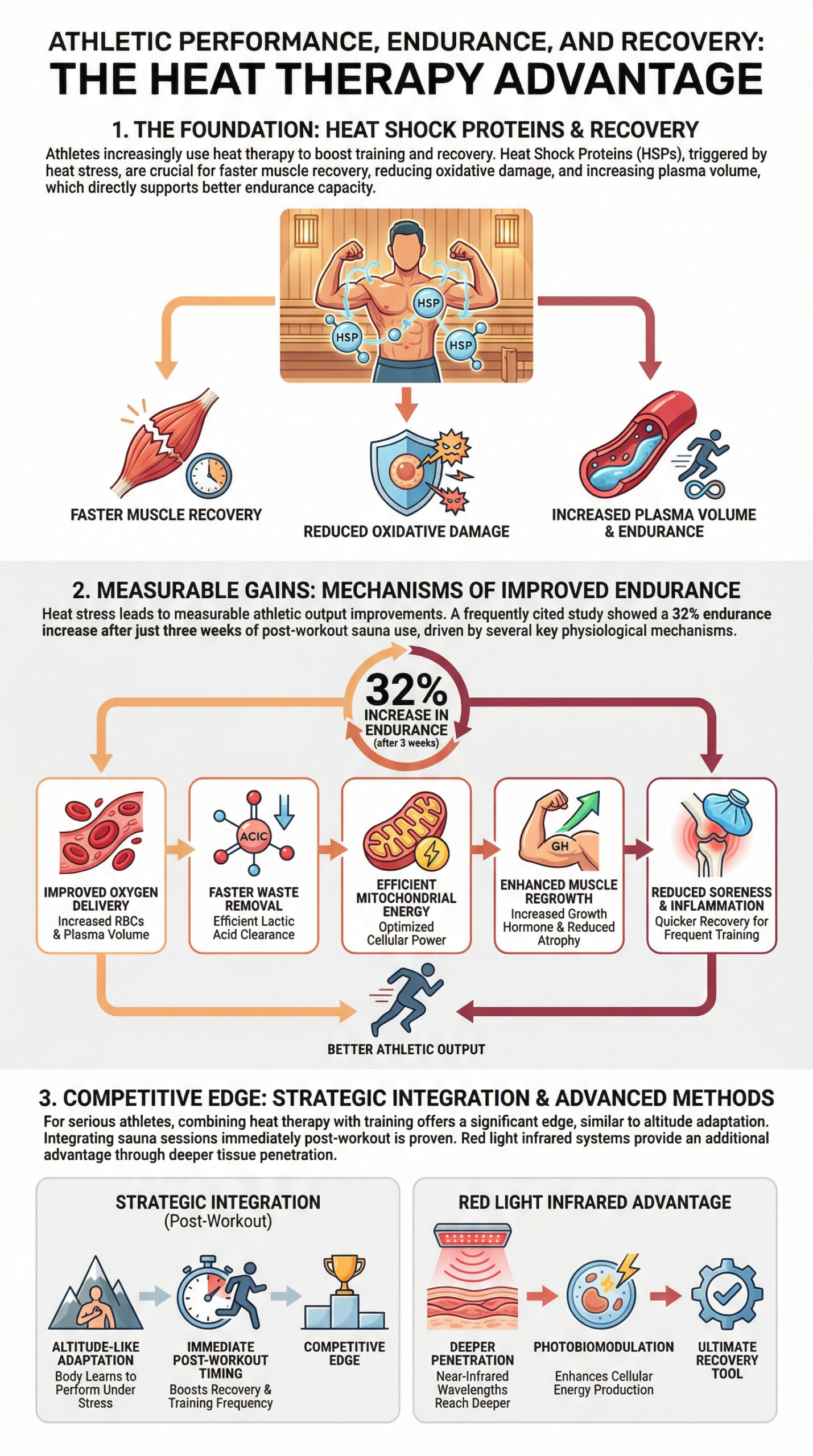
Athletes are increasingly using heat therapy to boost their training and recovery. That’s because heat shock proteins help muscles recover faster after stress, reduce oxidative damage, and increase plasma volume — which directly improves endurance capacity.
Heat stress improves athletic output in measurable ways:
In one frequently cited study, athletes who used a sauna after workouts saw a 32% increase in endurance after just three weeks. This improvement came from several mechanisms:
- Improved oxygen delivery to muscles through increased red blood cell production and plasma volume expansion
- Faster removal of lactic acid and metabolic waste products
- More efficient mitochondrial energy production within muscle tissue
- Enhanced muscle regrowth after injury due to increased growth hormone release and reduced muscle atrophy
- Reduced muscle soreness and inflammation, allowing for more frequent training
For serious athletes, combining infrared saunas and heat shock proteins with proper training can provide a significant competitive edge. Heat adaptation triggers physiological changes similar to those of altitude training — your body learns to perform better under stress.
Integrating sauna sessions immediately after intense workouts is a proven strategy for boosting recovery, allowing you to train harder and more frequently. Even building your own setup provides this significant athletic edge.
Red light infrared sauna systems offer an additional advantage for recovery, as near-infrared wavelengths penetrate even deeper into muscle tissue and enhance cellular energy production through photobiomodulation.
Brain Health, Mood, and Neurogenesis
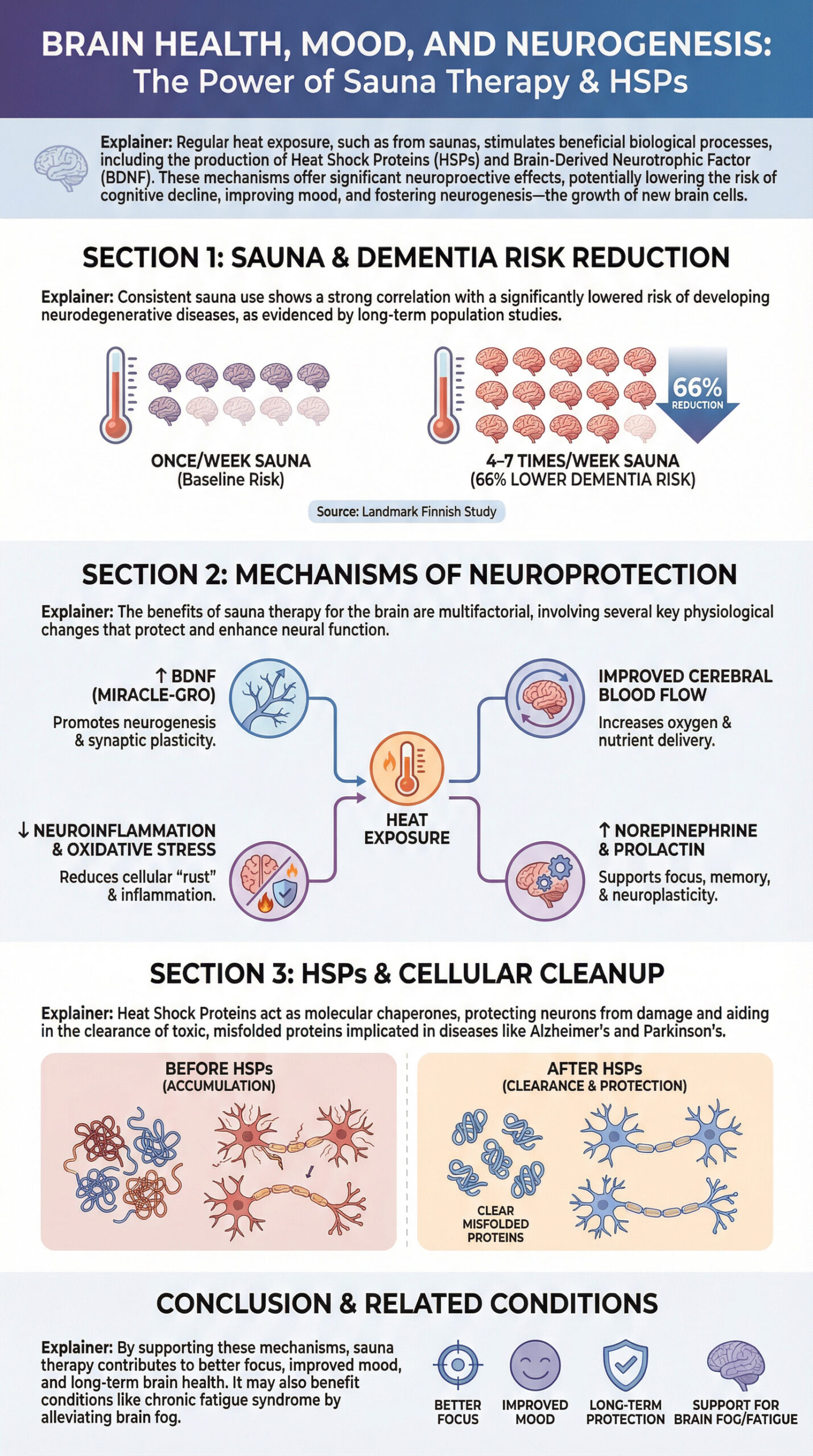
One of the most exciting areas of research involves the effect of HSPs and sauna therapy on the brain. The connection between infrared saunas and heat shock proteins extends far beyond muscle recovery — it may be one of your best defenses against cognitive decline.
Regular sauna use is associated with dramatically reduced risk of dementia and Alzheimer’s disease:
In a landmark long-term study from Finland, men who used a sauna 4–7 times per week had a 66% lower risk of dementia compared to those who used it once per week. That’s a staggering reduction from something as simple as consistent heat exposure.
This neuroprotective effect likely comes from multiple mechanisms:
- Increased production of brain-derived neurotrophic factor (BDNF), often called “miracle-gro for your brain,” is essential for neurogenesis (new brain cell growth) and synaptic plasticity.
- Improved cerebral blood flow and oxygenation to the brain, delivering more oxygen and nutrients to brain tissue
- Reduced neuroinflammation and oxidative stress (the cellular “rust” of the brain), both implicated in neurodegenerative disease
- Elevated levels of norepinephrine and prolactin, which support focus, memory formation, and neuroplasticity
Heat shock proteins specifically protect neurons from damage and help clear out misfolded proteins that can accumulate in Alzheimer’s and Parkinson’s disease. The relationship between infrared saunas and heat shock proteins may represent one of the most underutilized strategies for maintaining cognitive function throughout life.
The result is better focus, improved mood, and long-term cognitive protection.
For those dealing with neurological symptoms, infrared saunas, and chronic fatigue syndrome, explore how heat therapy can support brain fog, energy levels, and mental clarity.
HSPs vs. Cold Shock Proteins: Can You Get the Best of Both?
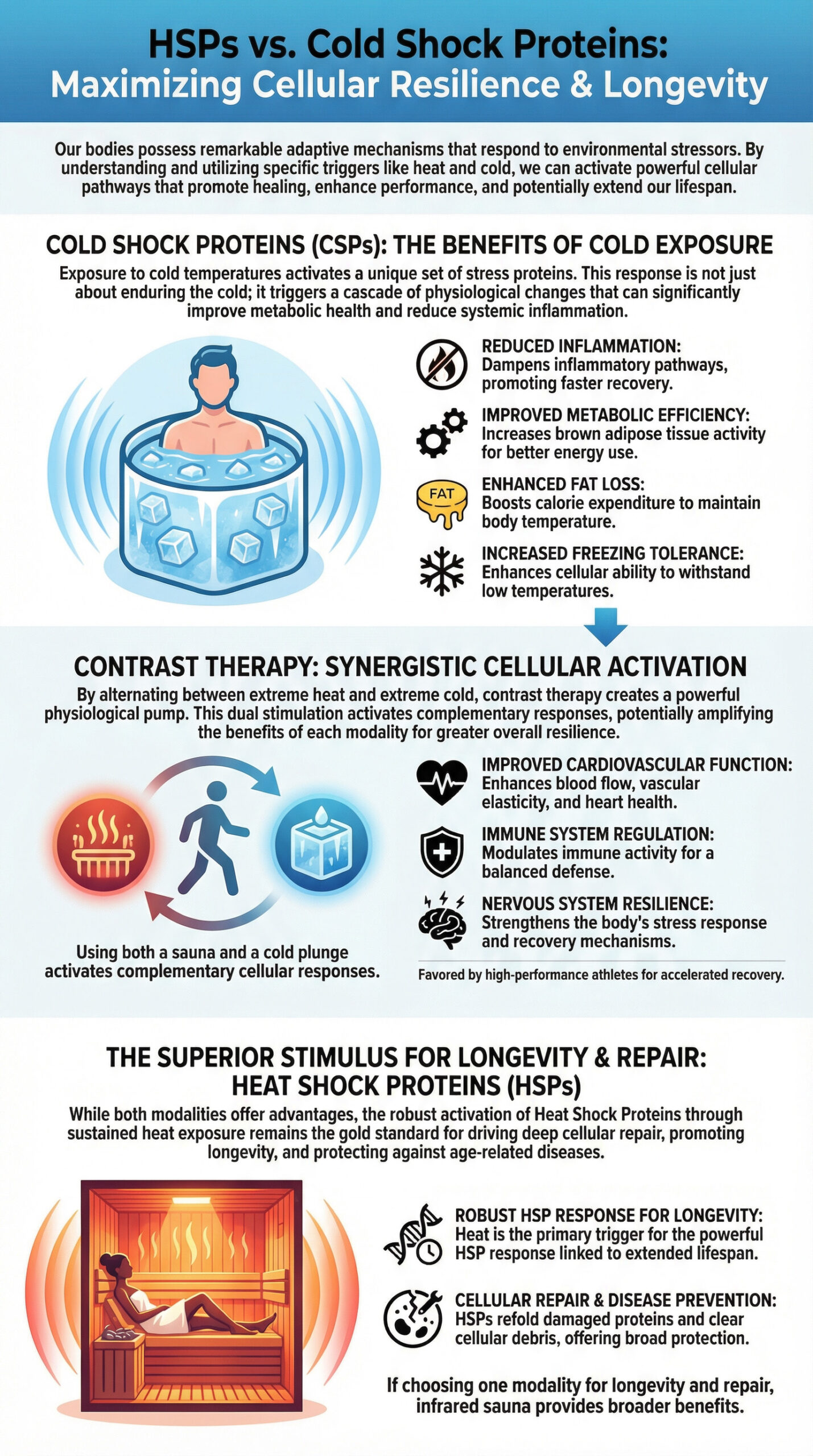
Cold exposure (such as ice baths or cryotherapy) also triggers stress proteins known as cold shock proteins. These offer unique benefits, including reduced inflammation, improved metabolic efficiency, enhanced fat loss, and increased freezing tolerance.
Contrast therapy — alternating between heat and cold — may maximize benefits:
Using both a sauna and a cold plunge activates complementary cellular responses that improve cardiovascular function, immune system regulation, and nervous system resilience. Many high-performance athletes and longevity enthusiasts now consider contrast therapy essential to their recovery protocols.
That said, for the specific goal of maximizing the robust heat shock protein response that drives longevity and cellular repair, heat remains the superior stimulus. If you have to choose one modality, infrared sauna provides broader benefits for cellular repair, longevity, and disease prevention.
Optimal Protocols: How Often Should You Use a Sauna for HSP Benefits?
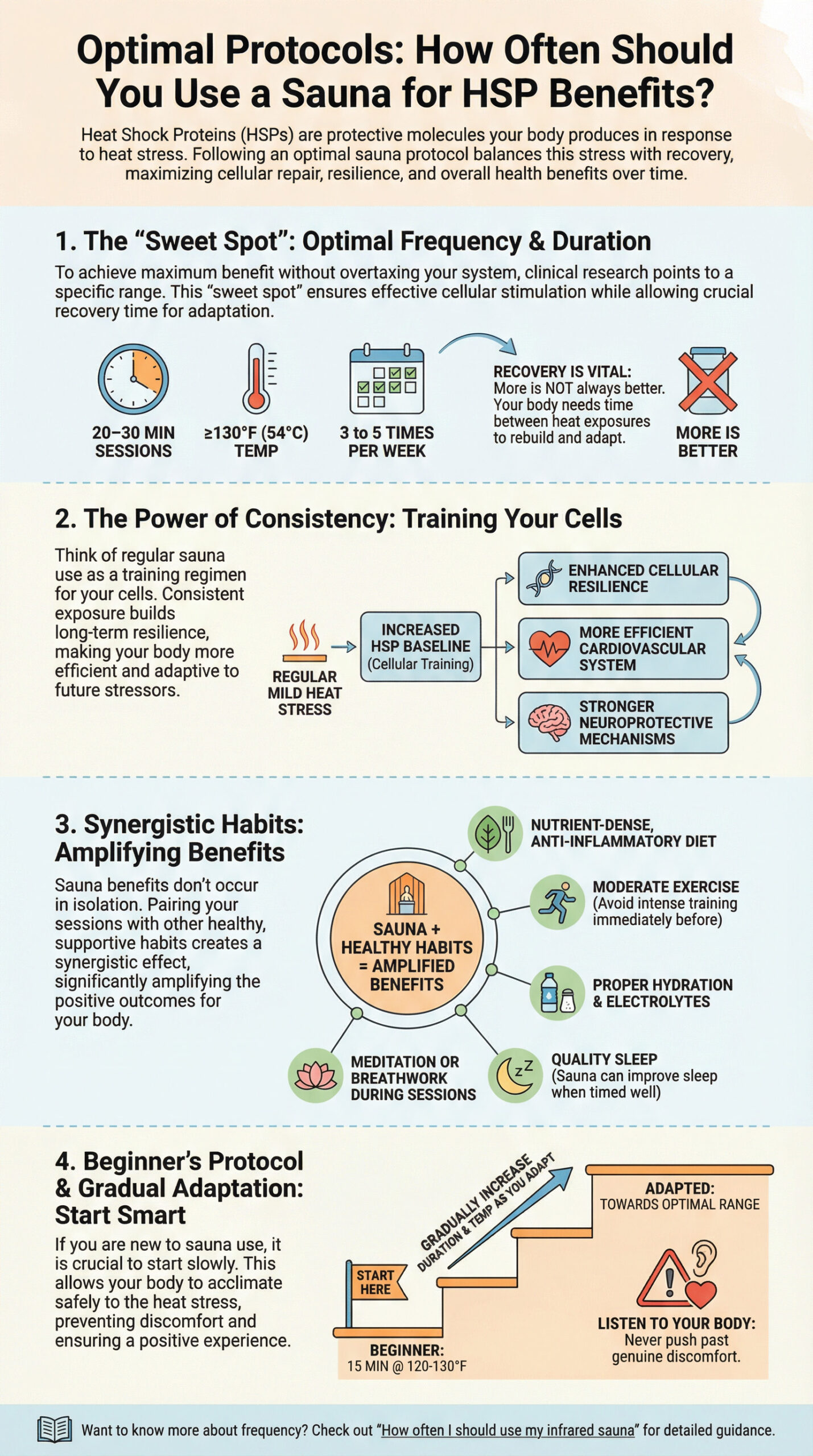
Clinical research suggests that 3 to 5 sessions per week yield the best results, especially when sessions last 20–30 minutes at a temperature of at least 130°F. More is not always better — your body needs recovery time between heat exposures to rebuild and adapt.
Consistency is the key factor:
The more regularly you expose your body to mild heat stress, the more resilient and adaptive your cells become. Your HSP baseline increases, your cardiovascular system becomes more efficient, and your brain builds stronger neuroprotective mechanisms. This is a training regimen for your cells.
Pairing sauna use with other healthy habits amplifies benefits:
- A nutrient-dense, anti-inflammatory diet
- Moderate exercise (but avoid intense training immediately before sauna)
- Proper hydration and electrolyte balance before and after sessions
- Quality sleep (sauna can actually improve sleep quality when appropriately timed)
- Meditation or breathwork during sessions
For beginners, start with 15-minute sessions at 120-130°F and gradually increase duration and temperature as your body adapts. Listen to your body and never push past genuine discomfort.
Want to know more about frequency? Check out how often I should use my infrared sauna for detailed guidance.
Additional Health Benefits of Infrared Saunas and Heat Shock Proteins
Beyond longevity and athletic performance, the relationship between infrared saunas and heat shock proteins produces benefits across virtually every body system:
Cardiovascular Health:
- Improved circulation and vascular function
- Lower resting heart rate
- Reduced blood pressure
- Decreased cardiovascular mortality risk
Pain Management:
- Relief from chronic back pain
- Reduced symptoms of fibromyalgia
- Decreased arthritis pain and stiffness
- Faster healing of injuries
Immune Function:
- Enhanced white blood cell activity
- Improved resistance to infections
- Reduced incidence of common colds
- Better recovery when illness does occur
Detoxification:
- Increased excretion of heavy metals through sweat
- Enhanced liver function
- Improved lymphatic drainage
- Better clearance of environmental toxins
Skin Health:
- Improved circulation to the skin
- Enhanced collagen production
- Reduced the appearance of scars
- Better skin tone and elasticity
Metabolic Function:
- Improved insulin sensitivity
- Support for diabetes management
- Enhanced mitochondrial function
- Better weight management
Safety Considerations and Contraindications
While infrared saunas and heat shock proteins offer remarkable benefits, they’re not appropriate for everyone. Review these contraindications before beginning regular sauna use:
Consult a physician before using an infrared sauna if you:
- Have cardiovascular disease or a recent heart attack
- Are you pregnant or trying to conceive
- Have multiple sclerosis or other heat-sensitive conditions
- Take medications that affect heat regulation
- Have hemophilia or a tendency to bleed
Safe sauna practices include:
- Starting gradually with shorter, cooler sessions
- Staying well-hydrated before, during, and after
- Avoiding alcohol before or during sauna use
- Never use alone if you have any health conditions
- Listening to your body and exiting if you feel dizzy or unwell
For medication interactions, see our detailed guide on using an infrared sauna while on medication.
The Takeaway: HSPs Are Your Cellular Superpower
We can’t avoid stress — but we can train our bodies to become stronger, more resilient, and more adaptive in the face of it.
Heat shock proteins are nature’s built-in repair crew:
They restore cellular balance, increase longevity, and help your body recover faster from virtually any challenge. The connection between infrared saunas and heat shock proteins is one of the most powerful, accessible tools for optimizing total-body health.
If you’re looking for a safe, proven way to feel younger, think clearer, perform better, and potentially extend your healthy years — it’s time to embrace the heat.
Conclusion: Heat Your Body, Heal Your Cells
Now you understand — the relationship between infrared saunas and heat shock proteins is much more than just a biological curiosity. It’s a natural, powerful response system that activates when your body needs help. Whether you’re trying to build muscle, boost mental clarity, reduce chronic inflammation, or live longer with less pain, HSPs play a central role.
Regular infrared sauna use is one of the safest, easiest, and most enjoyable ways to activate HSPs:
- It simulates the benefits of intense exercise without the joint stress
- It improves cardiovascular output as effectively as moderate physical activity
- It stimulates new brain cell growth and protects against neurodegeneration
- It strengthens your body’s ability to recover and resist disease
And best of all, it doesn’t require hours at the gym or strict dietary changes. Just 20–40 minutes, 3-5 times a week, inside a quality infrared sauna.
At SaunaCloud, we design custom infrared saunas that optimize the relationship between infrared saunas and heat shock proteins. Our systems feature:
- VantaWave ultra-low EMF heaters for safe, long-duration use
- Red light therapy positioned at clinical distances for maximum cellular benefit
- Premium Western Red Cedar construction that naturally resists moisture and bacteria
- Vertical integration from design to manufacturing, ensuring the highest quality
If you want to improve your performance, your focus, your stress tolerance — and maybe even extend your life — it’s time to turn up the heat.
Because inside that sweat… is science.