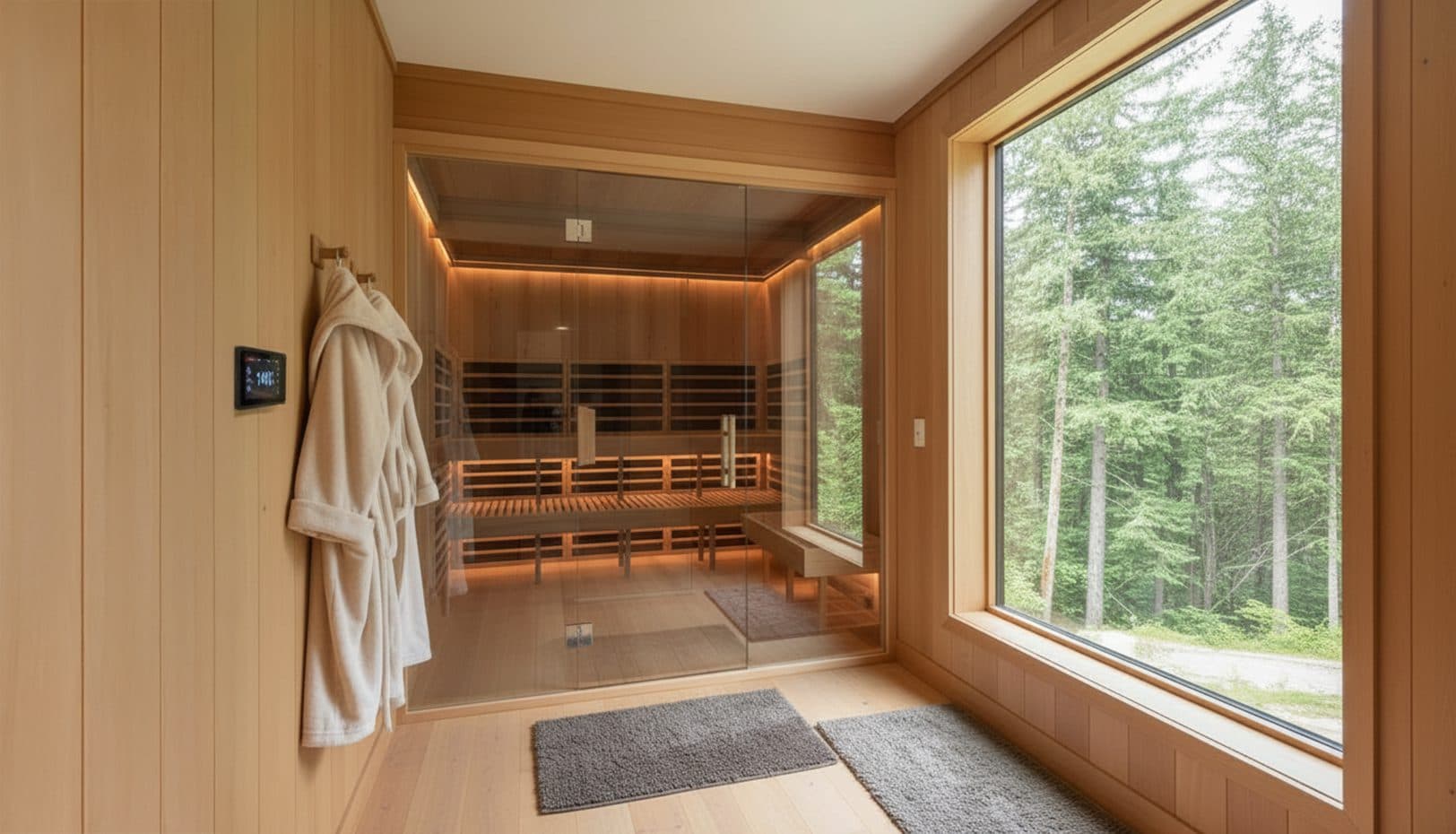
Does Red Light Therapy in a Sauna Actually Work? What the Research Says
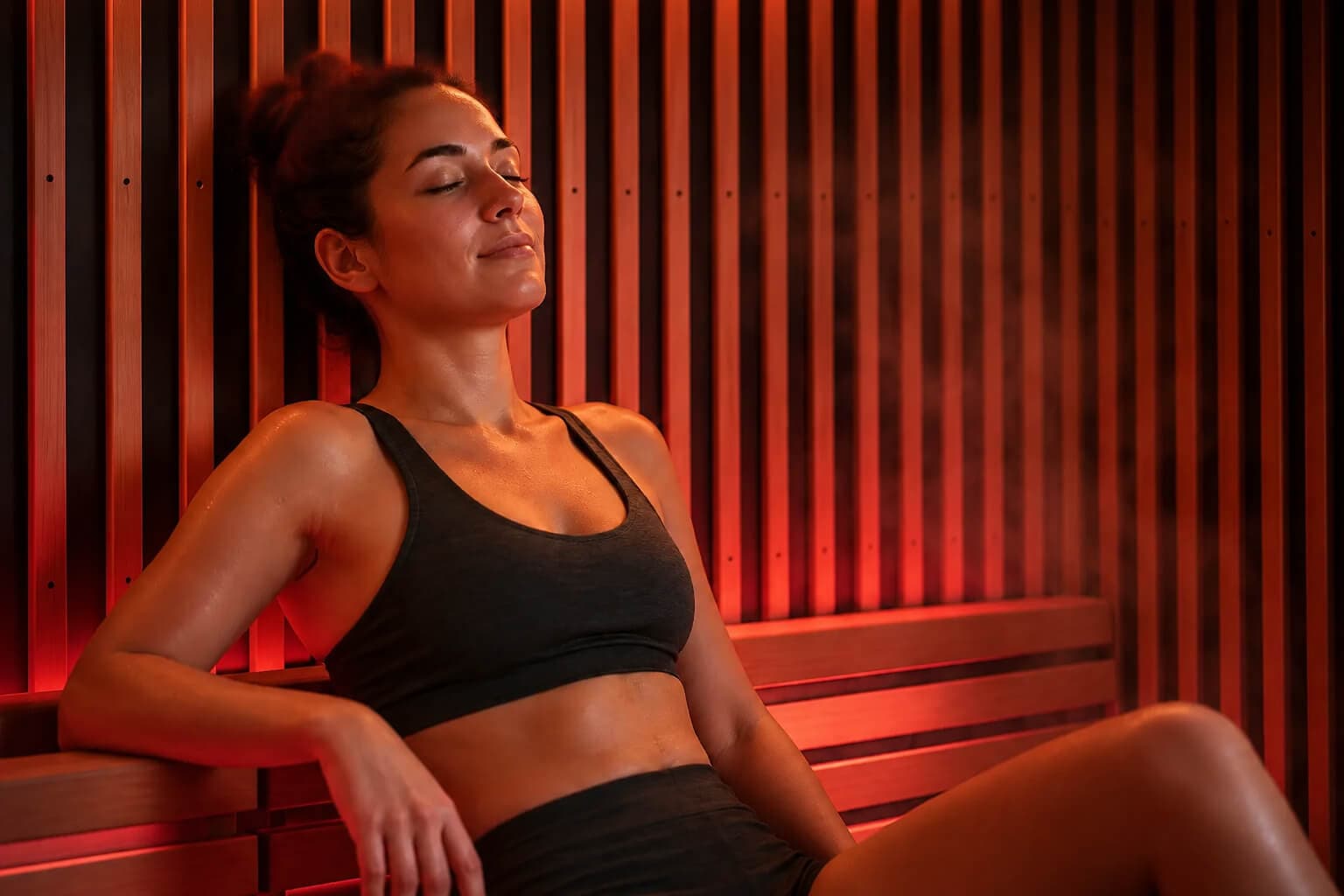
Key Takeaways
- Red light therapy has a real mechanism, but the evidence is strongest for specific, localized uses. Skin health, superficial inflammation, wound healing, and near-surface musculoskeletal pain have the best support; broader systemic claims are much less established.
- Dose and distance determine whether the research applies to a sauna. Even the right wavelengths will not do much if the LEDs are mounted too far from the body to deliver meaningful irradiance at the skin.
- Infrared heat and red light therapy are complementary, not interchangeable. Far-infrared heaters create the thermal response, while red and near-infrared LEDs work through photobiomodulation near the tissue they actually reach.
In This Article
Short answer: yes, red light therapy has a real, well-characterized biological mechanism and solid evidence for specific uses, but only when the light actually reaches your tissue at a therapeutic dose. In most saunas sold with "red light," it does not, because the light is mounted too far from the body. This article walks through what the research genuinely supports, where the claims outrun the data, and what has to be true of the sauna for any of the evidence to apply.
A disclosure before we start: I founded a company that builds red light into custom infrared saunas, so weigh my perspective accordingly. My approach here is to show you the research and the physics and let them do the arguing.
The mechanism is real
Photobiomodulation, the technical name for red light therapy, is one of the better-characterized mechanisms in the wellness world. Red light (roughly 620 to 700 nanometers) and near-infrared light (roughly 700 to 940 nanometers) at non-thermal intensities are absorbed by cytochrome c oxidase, the final enzyme in the mitochondrial chain that produces ATP, the energy currency of the cell.
Under cellular stress, nitric oxide binds to this enzyme and inhibits it, like a parking brake. Photons in the right wavelength windows release the brake: ATP production recovers, and the freed nitric oxide dilates local blood vessels and improves circulation (de Freitas & Hamblin, 2016). Thousands of studies have been published on this pathway. This is photons interacting with a specific molecular target, not energy healing.
What the evidence supports (and how strongly)
Being honest about evidence means sorting it into tiers, so here they are.
Strongest evidence: where the light can reach. The best-supported applications are the ones physics would predict, because red and near-infrared light penetrates tissue only superficially:
- Skin health: improved skin complexion, collagen density, and photoaging measures (Avci et al., 2013, Seminars in Cutaneous Medicine and Surgery; Wunsch & Matuschka, 2014).
- Wound healing and superficial inflammation: accelerated healing and reduced inflammatory markers in treated tissue (Avci et al., 2013).
- Musculoskeletal pain near the surface: meaningful evidence for conditions like neck pain and delayed-onset muscle soreness (Chow et al., 2009, The Lancet; Leal-Junior et al., 2015).
Weaker or preliminary: everything systemic. Claims that radiate outward from there, whole-body rejuvenation, fat loss, hormonal optimization, testosterone, deep-organ effects, outrun the data, sometimes by a wide margin. Some have interesting early studies. None have the depth of evidence the marketing implies. A company that tells you red light will transform your metabolism is extrapolating, and you should treat it that way. We build red light into saunas and we will tell you the same thing.
The dosing that produced the positive results. Most positive clinical studies delivered roughly 1 to 10 joules per square centimeter at the tissue, at irradiances of about 10 to 100 milliwatts per square centimeter (Hamblin, 2017). Hold onto those numbers, because they are the whole ballgame in the next section.
The catch: none of this applies if the dose never arrives
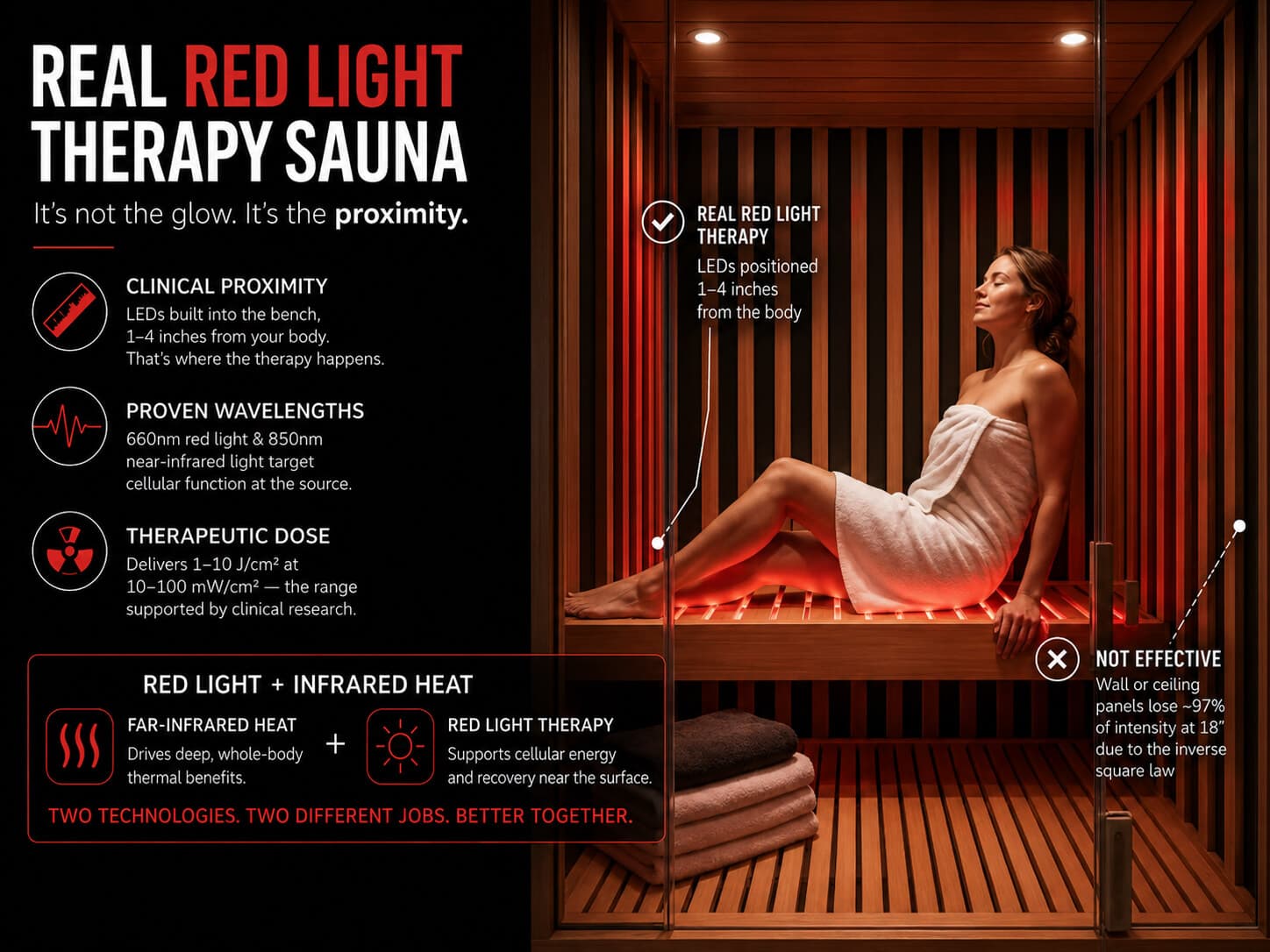
Here is the part most sauna marketing quietly skips. The research above was conducted with light sources close to the tissue. Light intensity falls with the square of the distance from the source, so a panel moved from 3 inches to 18 inches from your skin delivers on the order of 3 percent of the intensity. That generally lands below the irradiance range the positive studies used.
Which means the question "does red light therapy in a sauna work?" has a two-part answer:
- The therapy works, for the applications above, at clinical dosing.
- Whether your sauna delivers clinical dosing depends entirely on where the LEDs sit.
Red light therapy requires clinical proximity, within about 2 inches of the skin, to deliver therapeutic benefit. Ceiling and wall-mounted red light at distance is decorative.
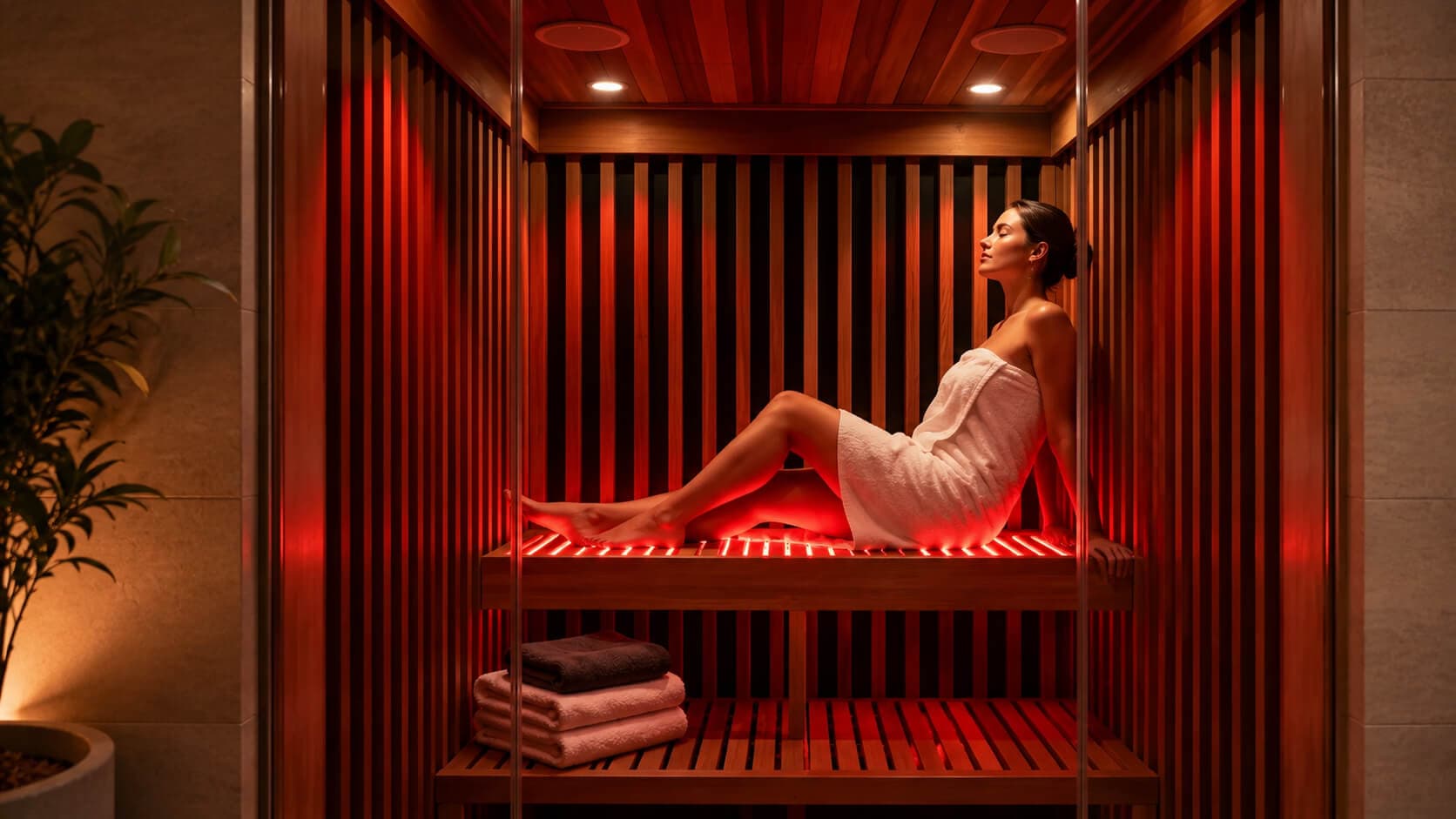
A sauna with 660nm and 850nm LEDs integrated into the bench, 1 to 4 inches from your body, is operating inside the evidence base. A sauna with the same LEDs on the door, 18 to 24 inches away, is not, no matter what the brochure says. The full comparison is here: Red Light Sauna vs. Sauna with a Red Light Panel.
Does the sauna heat interfere with the light?
A fair question with a clean answer: the two run on different mechanisms and complement each other. Far-infrared heat drives whole-body thermal adaptation, elevated core temperature, cardiovascular response, and sweat. Red and near-infrared light at proximity works on cellular energetics in the tissue it reaches. One session can deliver both, provided each is engineered honestly: real heaters for heat, real LEDs at real proximity for light.
One physics note worth knowing: sauna heaters themselves cannot provide near-infrared therapy, whatever "full spectrum" marketing implies. Heater surfaces run at a few hundred degrees Fahrenheit, which locks their emission deep in the far infrared (Wien's law). Therapeutic near-infrared from a hot surface would require temperatures hotter than melting steel. Heat and light are two jobs for two technologies.
What I have seen personally (with the honest caveat)
Red light is a regular part of my own sessions, and after years of it, my skin looks clearer and more even than before the practice, something people occasionally volunteer without knowing why. I report that with the required caveat: my sessions combine heat, sweat, and light, and an N of 1 cannot separate the contributions. Personal observation is where evidence starts, not where it ends.
One practical warning that never makes the brochure: do not stare at the LEDs. Therapeutic red light is bright, and staring at the array will temporarily fatigue your red-sensitive photoreceptors, leaving the world blooming yellow for a minute afterward. Harmless, but disorienting the first time. Eyes closed or gaze elsewhere; the light belongs on your skin, where the enzyme is.
The bottom line
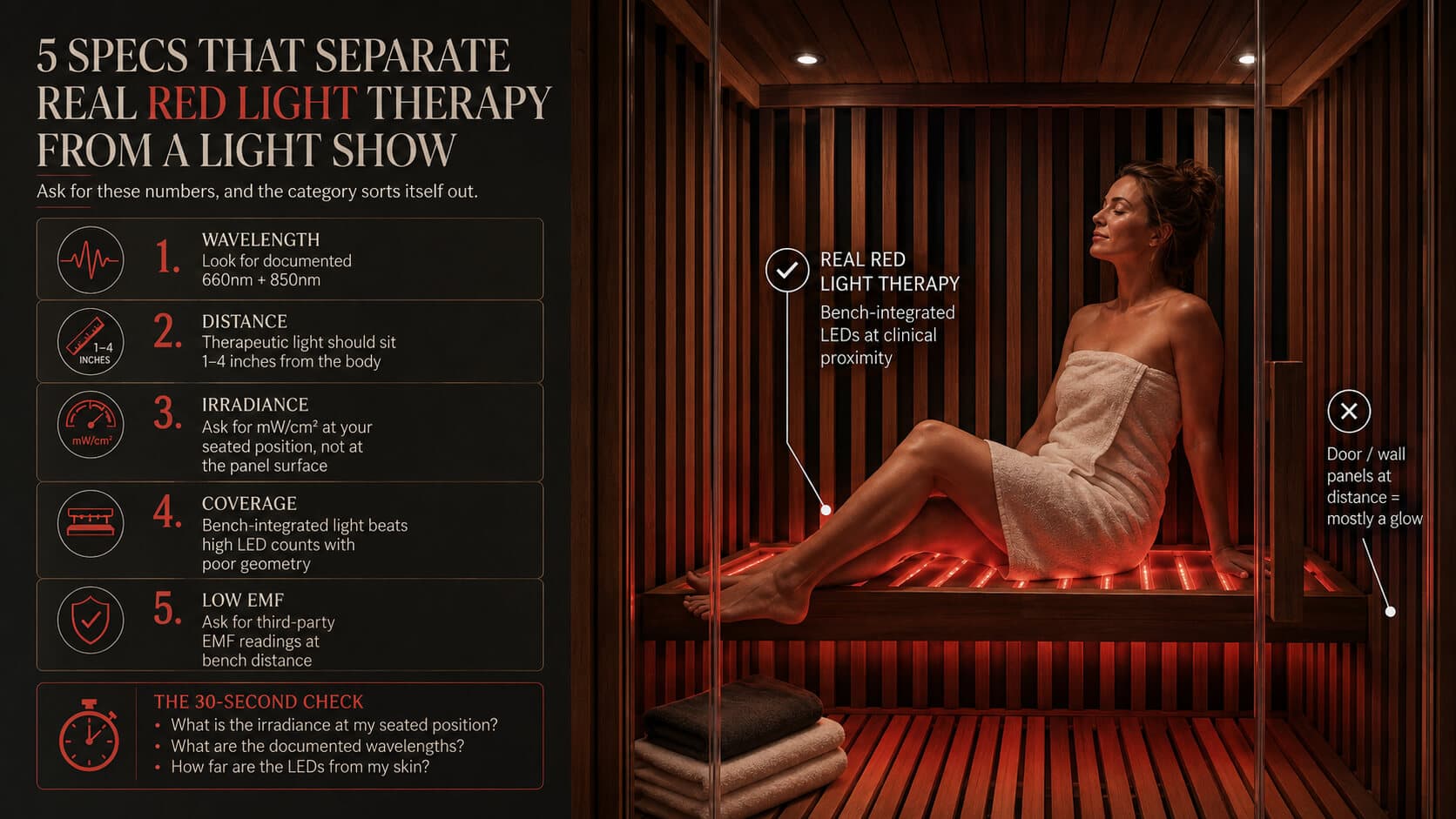
The mechanism is real. The evidence is genuinely good for skin, superficial inflammation, and near-surface pain, and genuinely thin for systemic transformation claims. And every bit of it is conditional on dose, which is conditional on distance. Evaluate any red light sauna on that basis, ours included. The five-spec checklist is here: How to Evaluate Any Red Light Sauna, and the full category guide is here: What Is a Red Light Therapy Sauna?
To see how we engineer clinical-proximity red light into a custom far-infrared sauna, visit our red light infrared sauna page or the Atlas One. I also wrote in Fast Company about why we treat informed, skeptical buyers as our favorite customers. This article is written for exactly those buyers.
Frequently asked questions
Frequently Asked Questions
What does red light therapy in a sauna actually do?
At therapeutic dose and proximity, it supports the applications with the strongest evidence: skin health and collagen, wound healing and superficial inflammation, and musculoskeletal pain near the surface. Systemic claims like fat loss and hormone optimization are not well supported by current research.
How long should a red light session in a sauna be?
Clinical studies typically deliver 1 to 10 joules per square centimeter, which at bench-integrated irradiances corresponds to roughly 10 to 20 minutes, conveniently the length of a normal sauna session. More is not better: light follows a biphasic dose response, and past the optimal range, additional exposure can inhibit rather than stimulate.
Is red light in a sauna safe?
At therapeutic intensities, red and near-infrared light is non-thermal and considered low-risk for healthy adults. Do not stare directly into the LEDs, and if you have a photosensitive condition or take photosensitizing medication, talk to your doctor first. We do not make medical claims, and red light therapy is not a treatment for any disease.
Does red light therapy work through clothing?
No. Fabric blocks or scatters most of the light. The evidence base is built on light reaching bare skin, which is another reason bench-integrated placement during a sauna session, where skin is already exposed, is the practical delivery method.
Why do some saunas put red light on the ceiling?
Because it photographs well and costs little. Ceiling placement puts the light feet from your body, where the inverse square law reduces the dose far below therapeutic range. Ceiling red light is ambient lighting, not therapy.

Founder & Lead Designer, SaunaCloud®
SaunaCloud: 3,000+ installations since 2014 · Author of The Definitive Guide to Infrared Saunas · Featured in Forbes, Inc., and MSN
Christopher designs every SaunaCloud sauna. His work brings the room, heaters, controls and installation plans together so you can review the project before committing. His professional expertise is sauna design and construction, not clinical medicine.
Custom 3D renderings and a proposal in 24-48 hours.
Continue Reading
Ready to Design Your Sauna?
Every project starts with a conversation. Tell us about your space and we'll create your custom plan — free, no obligation.
Custom 3D renderings and a proposal in 24-48 hours.