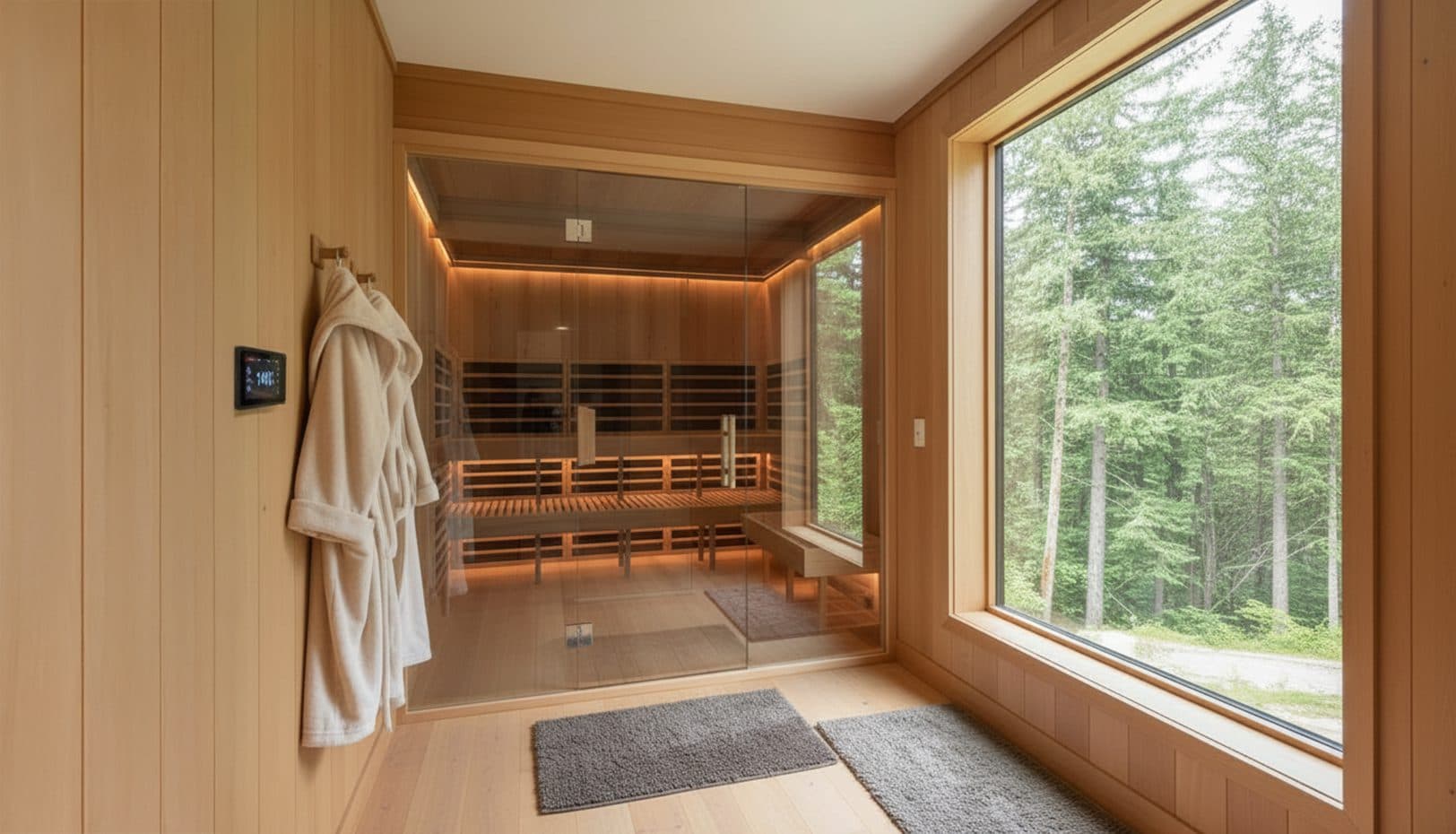
Do Infrared Saunas Use a Lot of Electricity? We Crunched the Numbers: $0.25-$0.48 per Session
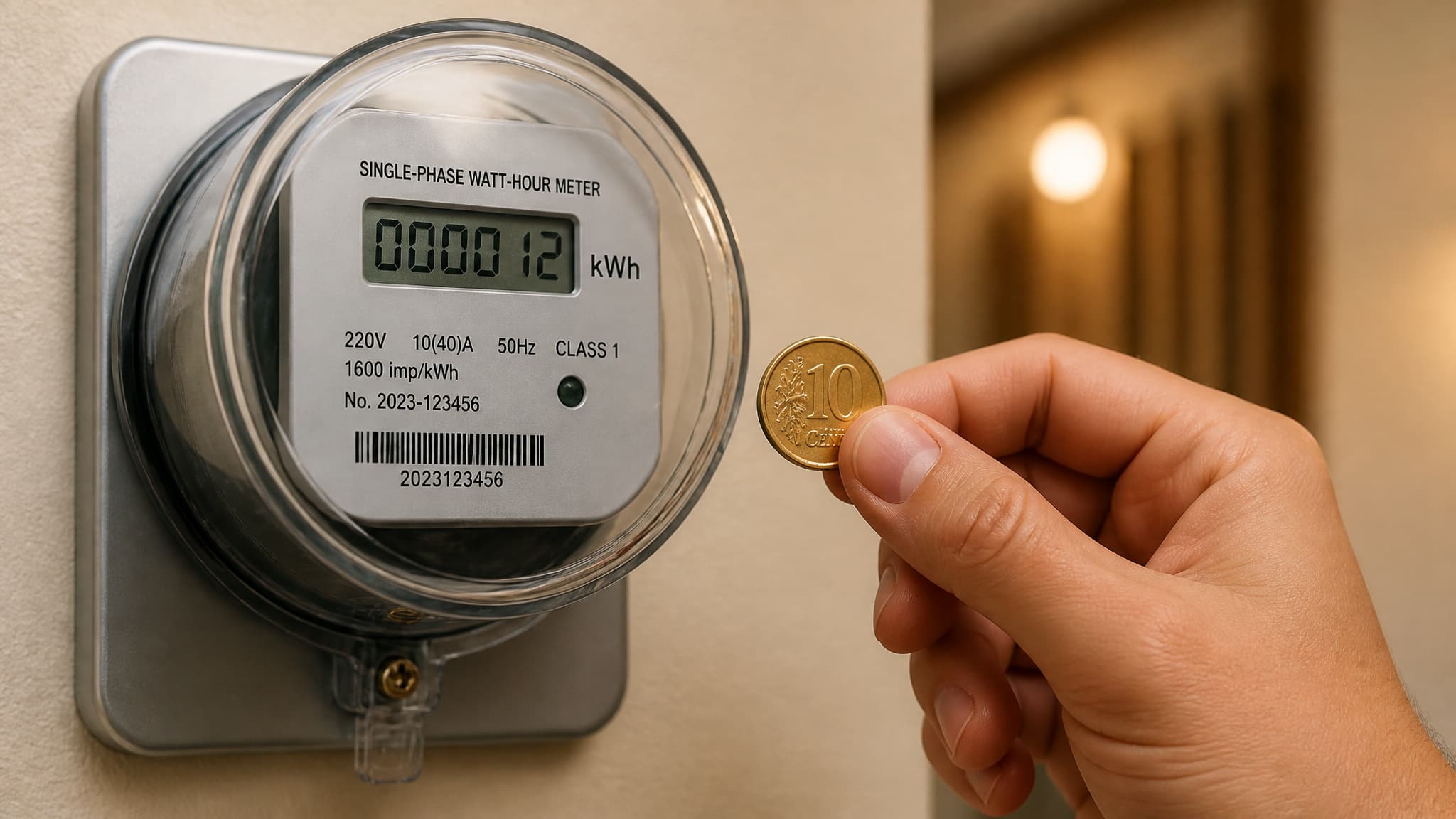
Key Takeaways
- A single infrared sauna session uses 1.5 to 2.4 kilowatt-hours, which works out to $0.25 to $0.48 at the average U.S. electricity rate of $0.16 per kWh.
- Most two-person infrared models add just $5 to $7 per month to your electric bill, and most households stay under $10 total even with regular use.
- Infrared saunas use about half the electricity of traditional saunas because they heat you directly instead of the air, warm up in roughly 10 minutes, and run at 110 to 150°F rather than 150 to 195°F.
In This Article
There's a moment that nearly every infrared sauna shopper hits, usually a few weeks into the research. You've picked a model. You've measured the corner of the room where it'll live. And then the question lands: what is this thing going to do to my electric bill?
A sauna is a box that makes heat, and that sounds expensive to run. Here's the part nobody tells you until you do the math: one infrared session costs $0.25 to $0.48, less than the latte you grabbed on the way to work this morning.
The Short Answer
Infrared saunas don't use a lot of electricity. That's the headline, and it holds up.
An average infrared session runs 1.5 to 2.4 kilowatt-hours. At the national average rate of about $0.16 per kWh, that's $0.25 to $0.48 per session. In practice, a typical two-person unit draws closer to 1.8 kWh once warm-up is included, even when the manufacturer listing says 1.5.
Now the monthly math, since that's what actually shows up on your bill. Most households using an infrared sauna regularly see less than $10 added to their electric bill. A standard two-person model usually adds $5 to $7. It's not quite a rounding error, but it's close.
Infrared vs. Traditional: The Energy Comparison
The reason infrared saunas are so cheap to run isn't magic. Traditional saunas heat the air around you. Infrared saunas heat you directly. That one distinction flows through every part of the energy story.
Heater Wattage: The Biggest Single Factor
The most direct comparison is the heater itself. Infrared saunas typically use 1.5 to 2.4 kilowatts, and energy-efficient models can run as low as 1,000 to 1,500 watts. Traditional sauna heaters draw 4 to 8 kilowatts.
A typical infrared heater pulls about 1.8 kW; a typical traditional heater pulls 6 kW. That's a third of the power draw, and it's the starting point for everything else.
Heat-Up Time: The Overlooked Efficiency Driver
Wattage tells you how fast a heater consumes power. Heat-up time tells you how long you're paying for it. Infrared saunas heat up in about 10 minutes, while traditional units need 20 to 30, so you're not paying for preheat.
Most infrared units heat up in about 10 minutes. Traditional saunas need 20 to 30 minutes to reach temperature, and larger units can take over an hour. During that preheat period, the heater runs at full power while nobody is inside. With a traditional sauna, you're paying to heat air that escapes while you wait. That's pure energy, and it happens every single session.
Operating Temperature and Humidity
Traditional saunas run at 150 to 195°F, and they're humid, because the experience involves pouring water over hot rocks to create steam. Infrared saunas operate at 110 to 150°F, with humidity around 5 to 10%.
That's a 40-degree-or-more temperature gap. Holding a space at 130°F takes far less energy than holding it at 175°F, and you don't need to generate steam on top of it. If you love the dense, wet heat of a traditional sauna, nothing will replace it. But the energy math strongly favors infrared, since the infrared energy radiates outward from panels, is absorbed by your skin on first contact, and converts to gentle warmth.
How to Calculate Your Exact Operating Cost
If you want your specific number, the formula is simple: wattage in kilowatts, multiplied by hours used per month, multiplied by your electricity rate.
Here's a worked example. A 1.8 kW sauna used for 30 minutes per session: 1.8 × 0.5 × $0.16 equals about $0.14 per session. At 16 sessions a month, that's roughly $2.30.
The range that covers most situations: a two-person infrared model used regularly lands at $5 to $7 per month. A larger 6 kW unit used 40 minutes daily comes to about 120 kWh monthly, or $14.40 at average rates. For a closer look at the cost breakdowns and sizing considerations, infrared sauna buying guide details the wattage ranges and per-session price estimates that inform these figures. For comparison, a traditional sauna used 75 minutes daily, including its longer heat-up, eats about 225 kWh per month, or around $27.
The Real-World Data
Manufacturer spec sheets are one thing. Real-world consumption is another, and the gap between them is smaller than expected.
Field measurements using a plug-in power meter, the Kill A Watt P4460, tracked over 12 months on a two-person unit, landed within ±10% of estimates. The same sauna rated at 1.5 kWh drew closer to 1.8 kWh once warm-up was factored in.
Budget for a small variance: roughly $0.05 either way per session. Every heater lists its wattage honestly; the extra draw comes from the preheat period plus the natural inefficiency of converting electricity into radiant heat. The Department of Energy notes that properly insulated radiant heating systems can reach around 86% efficiency, which accounts for the difference.
Regional Rates and Time-of-Use Pricing
Your actual cost depends on where you live and when you use the sauna. U.S. electricity rates range from about $0.09 to $0.34 per kWh, with a national average near $0.16. That range directly affects your monthly number.
Time-of-use pricing matters even more. Many utilities charge more during peak hours, often the late afternoon and early evening, and less at night. Peak rates can hit roughly 34¢ per kWh, while off-peak rates drop to around 17¢. For a 2.4 kW sauna, that's the difference between about 82¢ per hour at peak and 41¢ per hour off-peak. At off-peak rates, a typical session costs pennies.
Shifting sessions to the evening off-peak window can cut an already-small cost in half.
Quick test: Find your bill's time-of-use table and compare the peak and off-peak rates. If off-peak is less than half the peak price, you've got a clear window to save even more.
Energy-Saving Strategies That Actually Work
Once you own an infrared sauna, a few habits shift your consumption. These are quantified, not vague.
Skipping an extended preheat and turning the unit off promptly when you're done can cut energy use by 15 to 20%. Running at 140°F instead of 125°F increases electricity use by about 33%. Stretching a session from 30 to 45 minutes bumps consumption by about 50%. Temperature and session length are the two levers that matter most.
The equipment matters too. Quality insulation, wood, fiberglass, or thermoplastic board, keeps heat where it belongs. High-efficiency carbon or ceramic heaters maintain a steady temperature without cycling through overheating and recovery. At SaunaCloud, that's the design logic behind the proprietary low-EMF heaters we use: even, efficient heat distribution rather than wasteful temperature swings.
Wipe wooden surfaces weekly and check wiring annually.
The Upgrade Question
If you're working with an older infrared sauna, you might wonder whether upgrading is worth it. Modern units benefit from advanced insulation, eco-friendly materials, and precision heating systems that older models often lack. That translates into better efficiency.
One honest caveat: specific kilowatt-hour comparison data for legacy models is scarce. Most manufacturers only publish current-year specs, so you can't lay old and new numbers side by side in a clean spreadsheet. If your current unit predates the insulation and heater advances of recent years, an upgrade will pay for itself in reduced consumption over time.
The Real Cost Comparison: Home Sauna vs. Spa Visits
The electricity cost of an infrared sauna is so small that it gets dwarfed by the alternatives.
A single home infrared session costs $0.25 to $0.48. A spa session runs $30 to $75. A gym membership with sauna access costs $40 to $80 per month. Over five years, the electricity to run an infrared sauna at home totals $240 to $460.
Five years of weekly spa visits? More than $28,000.
And there's a reason people pursue heat therapy at all: research like the 2018 JAMA study points to real benefits for relaxation, circulation, and sweating. The point isn't that everyone should buy a sauna. It's that if you're comparing the operating cost of ownership against what you'd spend on heat therapy anyway, the home sauna wins by a mile. The electricity is a minor line item next to the alternative.
Long-Term Investment: Solar and the Payback Question
Solar changes the equation entirely. A panel system sized to cover sauna operation pays for itself in roughly 7.5 years. After that, the electricity is free.
The payback math gets more attractive in high-rate states. In Arizona, for example, a household's 25-year electricity expenditure can exceed $65,000, which makes solar a more compelling investment than it would be elsewhere. The best setup is a sauna that piggybacks on a house-wide solar array rather than a sauna-only system.
Bottom Line
Here's what to remember. Infrared saunas use roughly half the electricity of traditional saunas. Most households add under $10 per month to their electric bill. And the real cost of ownership is upfront: the purchase price and installation run $1,500 to $7,000 depending on the model.
The electricity, in other words, is the part you shouldn't lose sleep over. Compared to the purchase price, and compared to what you'd spend on spa visits, the power bill is a minor line item.
Frequently Asked Questions
What is the downside to an infrared sauna?
The main downside is the upfront cost, purchase and installation run $1,500 to $7,000 depending on the model. Also, if you prefer the dense, wet heat of a traditional sauna, infrared's drier, lower-temperature experience won't replace it. But the operating cost is minimal, so the real investment is the initial purchase.
How much will my electric bill go up with an infrared sauna?
Most households see less than $10 added to their monthly electric bill with regular use. A typical two-person model adds $5 to $7 per month, and even a large 6-person unit costs about $6 per month to run. That's because a single session uses only 1.5 to 2.4 kilowatt-hours, costing $0.25 to $0.48 at average U.S. rates.
What happens if I do an infrared sauna every day?
Daily use is common and the energy cost remains low, even at 16 sessions per month, most households stay under $10 on their electric bill. The main considerations are staying hydrated and listening to your body, as the heat therapy can be intense. There's no evidence that daily use is harmful, and many people use it for relaxation and circulation benefits.
Is an infrared sauna worth the cost compared to spa visits?
Yes, if you're comparing operating costs. A home infrared session costs $0.25 to $0.48, while a spa session runs $30 to $75. Over five years, electricity for a home sauna totals $240 to $460, versus more than $28,000 for weekly spa visits. The upfront purchase price is the main expense, but it pays off quickly if you'd otherwise pay for heat therapy.

Founder & Lead Designer, SaunaCloud®
SaunaCloud: 3,000+ installations since 2014 · Author of The Definitive Guide to Infrared Saunas · Featured in Forbes, Inc., and MSN
Christopher designs every SaunaCloud sauna. His work brings the room, heaters, controls and installation plans together so you can review the project before committing. His professional expertise is sauna design and construction, not clinical medicine.
Custom 3D renderings and a proposal in 24-48 hours.
Continue Reading

Tips & Routines
The Infrared Sauna Daily Routine: Five Session Types for Every Day of Your Week (2026)
Read article
Tips & Routines
What Happens After One Week of Daily Infrared Sauna Use: Day-by-Day Guide (2026)
Read article
Tips & Routines
Can an Infrared Sauna Cure a Hangover? The Honest Answer (and Why You Need to Hydrate First) (2026)
Read articleReady to Design Your Sauna?
Every project starts with a conversation. Tell us about your space and we'll create your custom plan — free, no obligation.
Custom 3D renderings and a proposal in 24-48 hours.