
Will Red Light Therapy Fade Tattoos? Science Says No – Here’s Why
Key Takeaways
- No study has shown that red light at therapeutic levels breaks down tattoo ink — the mechanism simply doesn’t support it.
- You can safely use red light therapy on healed tattoos, and it may even help new ink heal faster and with less irritation.
- Do not use RLT immediately after laser tattoo removal — a two-week waiting period is recommended to avoid blistering and reduced ink clearance.
In This Article
If you’ve been holding off on trying red light therapy because you’re worried it’ll ruin your ink, I don’t blame you. That’s a reasonable fear — you paid good money for that art, and the last thing you want is for it to blur, lighten, or disappear under some glowing panel.
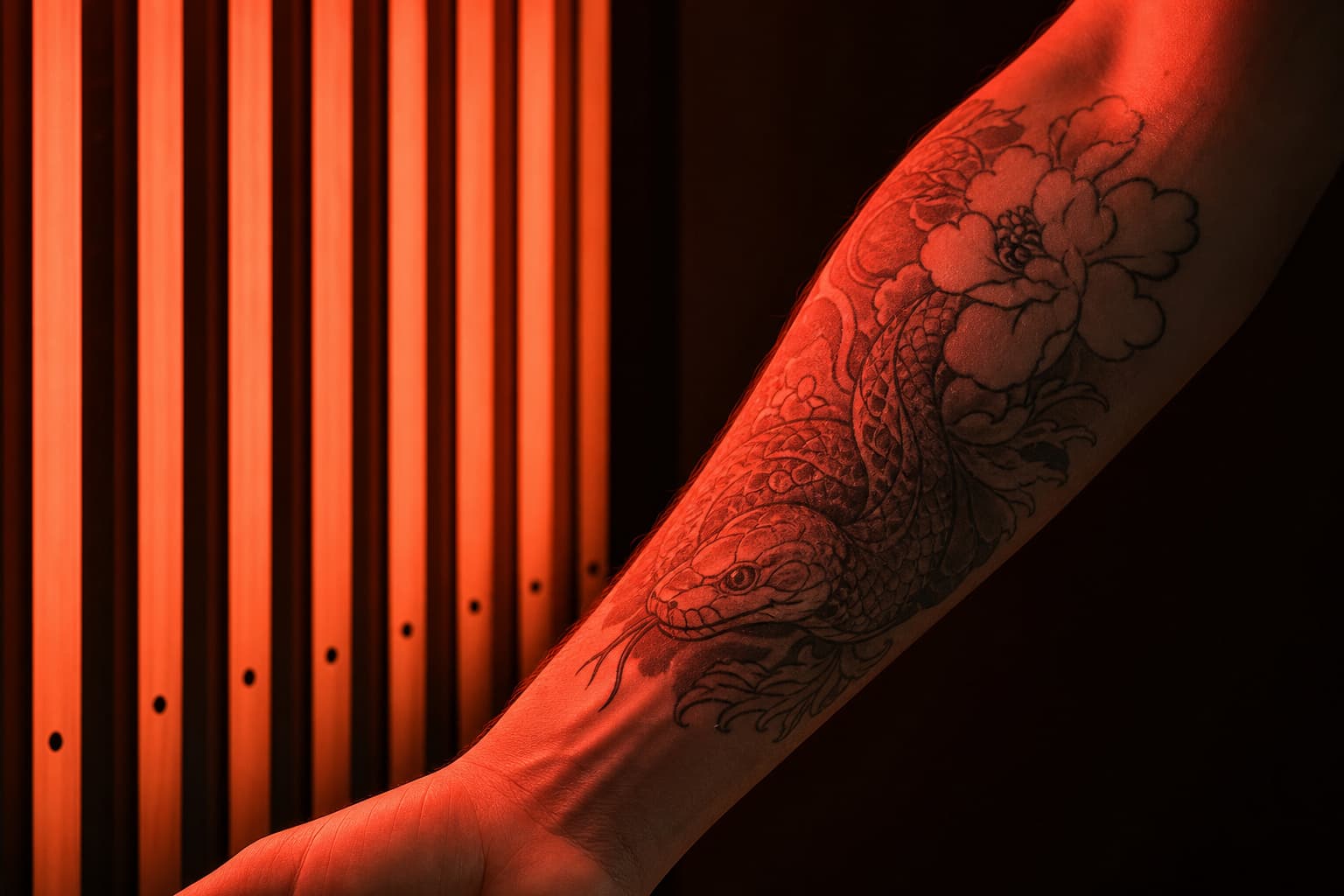
Here’s the short answer: No. Red light therapy does not fade healed tattoos under normal, recommended use. Not a single study has shown that therapeutic-level red light breaks down tattoo ink. The concern comes from mixing it up with UV light and laser removal, which work completely differently.
And since about 32% of U.S. adults have at least one tattoo (Pew Research Center), this isn’t some niche worry — it’s a question a lot of people need answered. So let’s dig into the science, the edge cases, and what you should actually do.
Red Light Therapy and Tattoos — The Short Answer
Red light therapy employs low-energy red and near-infrared wavelengths. They’re nothing like the UV rays from the sun or a tanning bed that slowly bleach your ink. Instead, these wavelengths penetrate your skin and stimulate your cells’ mitochondria — basically telling them to repair and regenerate, similar to how red light and infrared sauna therapy stimulates cellular ATP production. They do not target pigment.
Think of it this way: UV light has enough energy to actually break chemical bonds in tattoo ink particles. Red light doesn’t have that kind of power. It’s like comparing a sledgehammer to a massage gun. One destroys; the other heals.
So if you’ve been avoiding RLT because you’re scared for your sleeve or your favorite piece, you can relax. The evidence says it’s safe.
The Science — UV vs. Red Light on Tattoo Ink
Understanding the difference between UV and red light is key to why your tattoo is safe under RLT.
Why UV light fades tattoos and red light does not
UV light is the real enemy of tattoo longevity. It’s high-energy radiation that can break up the pigment particles in your ink or bleach the surrounding skin. That’s why lighter colors — reds, yellows, greens, tend to fade fastest in the sun. Your tattoo artist wasn’t kidding when they told you to wear sunscreen.
Red and near-infrared light sit on a completely different part of the spectrum. They lack the energy to damage pigment. Instead, they boost cellular repair — the opposite of destruction. That’s the central contrast: UV = fading; red light = healing.
The American Academy of Dermatology confirms that RLT is non-invasive and generally well tolerated. It’s not going to mess with your ink.
Why heat absorption in dark ink does not mean fading
Black or dark green ink can feel warmer than the surrounding skin during a session. That's because darker pigments absorb more light energy and convert it to heat.ion, not pigment breakdown.
If your tattoo gets uncomfortably warm, you’re probably too close or staying on too long. Move the device back a few inches or shorten the session. Higher-end panels — like the ones we build at SaunaCloud, are engineered to avoid hotspots, so even if dark ink feels warm, it’s never hot enough to cause concern. But the important thing to remember: warmth ≠ fading. Your ink is fine.
How RLT Can Help Your Tattoo Heal (Before and After)
This is where the article turns from "it won't hurt" to "it can actually help." Because red light therapy isn't just safe for tattoos — it can make the healing process smoother.
Pre-treatment — using RLT before your new tattoo appointment
A few days before you sit in the chair, you can use gentle RLT on the area. This primes the skin: more circulation, more cellular energy, better resilience. The question is should you do red light therapy or sauna first? We’ve seen it in our own installations — people who do a few short sessions before a tattoo tend to have less redness and swelling during the healing phase.
This is a pro tip most articles miss. It’s not a guarantee, but it’s backed by how RLT works: it prepares the tissue for the trauma before the trauma happens.
Post-treatment — using RLT after the tattoo is fully healed
Once your tattoo is completely closed — no scabs, no oozing, no raw patches, you can start gentle, non-heating RLT. That’s usually around 2–4 weeks after the session, but listen to your skin.
When used correctly, RLT can reduce lingering swelling, itching, and redness. For people prone to bumpy healing or sensitive skin, it may also lower the risk of scarring. Some tattoo artists and clinics now recommend it as part of aftercare, noting that the only infrared sauna with a lie-down red light therapy bench offers medical-grade LEDs 1–4 inches away for clinical-proximity treatment. It’s not universal yet, but it’s a growing trend.
Just remember: gentle, not hot. If it feels like a heat lamp, dial it back.
When to Use (and Not Use) RLT on Tattooed Skin
Timing is everything. Here’s a simple chronological framework.
Fresh tattoos — wait 2–4 weeks before starting RLT
This isn't negotiable. Never use RLT on open, scabbing, oozing, or peeling skin. You don't want to add any energy to a fresh wound — it's common sense. Ensure the tattoo is fully healed before proceeding, which typically takes 2–4 weeks. No shortcuts.
After laser tattoo removal — the two-week waiting period
Laser removal works by firing nanosecond pulses that create heat and friction to shatter ink particles. Adding RLT’s thermal energy on top of that can worsen blistering and cause adverse reactions. The laser removal clinic Removery suggests a two-week waiting period after a session before considering RLT. Follow that.
This is a specific, clean warning that most articles don’t mention. Don’t combine them.
Medical contraindications — when to avoid RLT entirely
Skip RLT if you have photosensitivity conditions, are taking photosensitizing medications, or have active skin cancer in the treatment area. If you’re pregnant or nursing, check with your doctor first. These are general cautions that apply regardless of tattoos.
Special Considerations for Colored and Cosmetic Tattoos
Different ink types and placements need tailored precautions to keep you safe. Ink chemistry varies — some organic pigments may be more sensitive to light than mineral-based ones. If you know your ink type, consult your artist for specific guidance.
Red and yellow ink — allergic reactions vs. fading risk
Some ink pigments — especially reds and yellows, are more likely to cause allergic reactions under any light exposure. That doesn’t mean RLT will fade them; the real risk is sensitivity, not fading.
If you have bright colors, do a patch test first. Apply RLT to a small area of colored ink, then wait 24 hours. If there’s no redness, itching, or swelling, you’re good to go. It’s a precaution that takes almost no time.
Cosmetic tattoos — extra caution for microblading and permanent eyeliner
Cosmetic tattoos like microblading and permanent eyeliner sit closer to the surface, and the skin around the eyes and brows is more delicate. You can still use RLT, but be extra careful: shorter sessions, greater distance, and maybe a longer healing window before starting.
Also worth noting: smoking slows healing after cosmetic tattoo procedures. That's a separate issue, but it matters if you're planning to use RLT for recovery.
Your RLT Aftercare Checklist for Tattooed Skin
Here’s a quick reference for what to actually do:
- Session length: 5–20 minutes at the recommended device distance. Stick to that range. Consumer LED masks typically have lower power density and are less likely to cause heating issues than high-power professional panels. If using a professional panel, start at a greater distance and monitor warmth.
- Clean skin first: Use a fragrance-free cleanser before a session. Moisturize afterward if needed.
- Take baseline photos: Snap a picture of your tattoo before you start RLT. That way you’ll know if anything changes over time.
- Sunscreen is non-negotiable: RLT does not replace UV protection. UV is still the primary cause of fading.
- Patch test colored ink: Especially red or yellow. Wait 24 hours.
- Consult a pro: If you’re unsure about your ink ingredients or your skin type, ask your tattoo artist or a dermatologist.
A Critical Warning — RLT and Laser Tattoo Removal
This section reveals a trade-off that most articles miss.
Why RLT can cause blistering after laser removal
Laser removal’s nanosecond pulses generate heat and friction. Your skin is already irritated and inflamed after a session. Adding RLT’s thermal energy — even mild warmth, can push it over the edge into more severe blistering. That’s why the two-week wait is so important.
The healing trade-off — faster recovery, slower ink clearance
Here’s the tricky part: RLT speeds up tissue repair. That sounds good, but after laser removal, you actually want your body to focus on clearing the shattered ink particles through your immune system. If you jump in with RLT too soon, your body may prioritize healing the tissue over removing the ink. That means fewer ink particles get cleared per session, which can lead to more laser sessions overall — and more skin fatigue. Your body relies on white blood cells to clear the shattered ink particles; if RLT diverts resources to tissue repair, fewer white blood cells focus on ink removal.
So while RLT can help your skin recover faster after laser removal, it may also reduce the effectiveness of the removal process. It’s a trade-off. If you’re doing laser removal, talk to your clinic before adding RLT to your routine.
The Bottom Line — RLT Is Safe for Tattoos When Used Correctly
Let’s recap:
- Red light therapy does not fade healed tattoos under normal use.
- It may help new tattoos heal faster and reduce irritation.
- Timing is critical — never use it on open or scabbed skin.
- UV light remains the primary threat to tattoo longevity, not RLT.
- The research on tattoos and LED therapy together is limited, but the mechanistic evidence shows these wavelengths don’t break down ink.
After thousands of installations across homes and clinics — many on tattooed clients, we’ve yet to hear a single report of fading. That’s data that backs up the science.
So go ahead. Use your red light panel. Let your ink shine, and let your skin heal. You’re fine.
Frequently Asked Questions
Can you do red light therapy over a tattoo?
Yes, you can safely use red light therapy over a healed tattoo. In fact, it may help reduce lingering swelling, itching, and redness. Just wait until the tattoo is fully closed — no scabs, oozing, or raw patches, which typically takes 2–4 weeks.
What draws out tattoo ink?
Laser removal is the primary method that draws out tattoo ink, using nanosecond pulses to shatter ink particles so your immune system can clear them. UV light from the sun can also break down ink over time, causing fading. Red light therapy does not draw out or remove tattoo ink.
Can red light therapy help a new tattoo heal faster?
Yes, using gentle RLT on the area a few days before your appointment can prime the skin with more circulation and cellular energy, potentially reducing redness and swelling. After the tattoo is fully healed (2–4 weeks), RLT may help with lingering irritation and lower the risk of scarring.
Why does my tattoo feel warm during red light therapy?
Darker ink absorbs more light energy and converts it to heat, which is why black or dark green tattoos may feel warmer than surrounding skin during a session. That warmth is just heat absorption, not pigment breakdown. If it gets uncomfortable, move the device back or shorten the session.
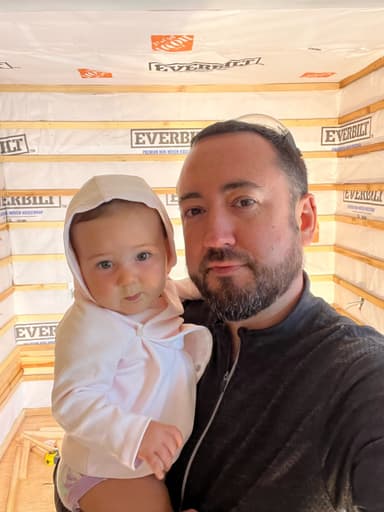
Founder & Lead Designer, SaunaCloud®
SaunaCloud: 3,000+ installations since 2014 · Author of The Definitive Guide to Infrared Saunas · Featured in Forbes, Inc., and MSN
Christopher designs every SaunaCloud sauna. His work brings the room, heaters, controls and installation plans together so you can review the project before committing. His professional expertise is sauna design and construction, not clinical medicine.
Custom 3D renderings and a proposal in 24-48 hours.
Continue Reading
Safety & Best Practices
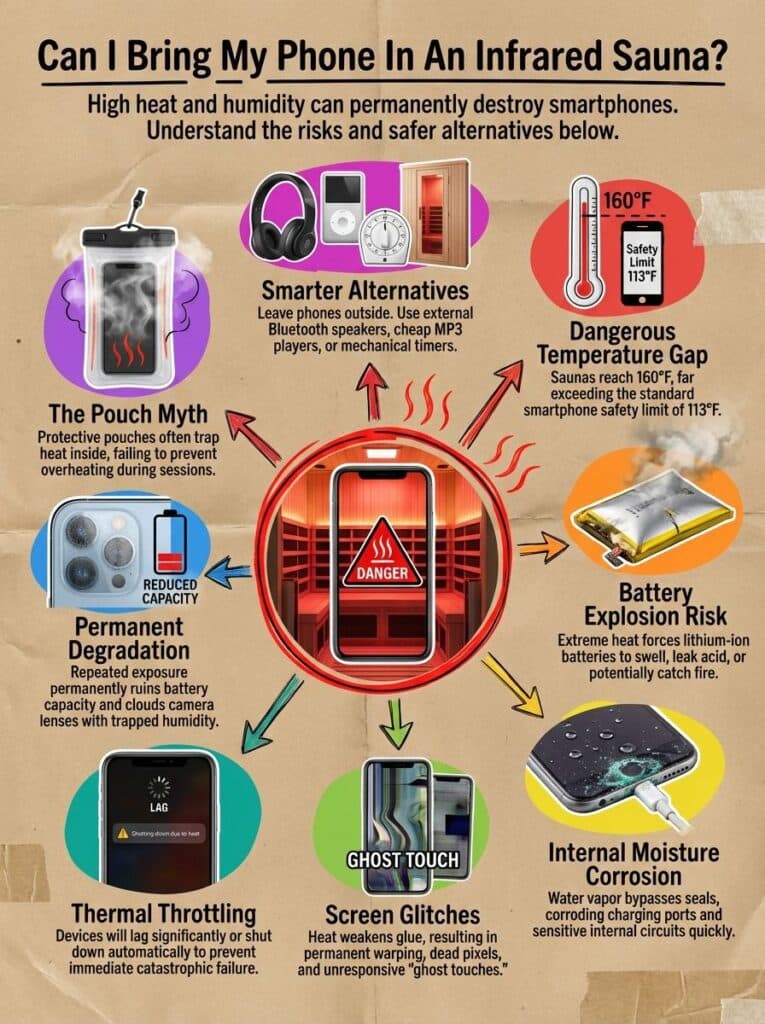
Can I Bring My Phone In An Infrared Sauna? Safety Risks & Tips
Read article
Safety & Best Practices
Can I Take My Kindle in the Steam Room? Why Condensation Is the Real Danger
Read article
Safety & Best Practices
Can You Bring a Book Into a Sauna? What a Real Sauna Book Club Taught Me
Read articleReady to Design Your Sauna?
Every project starts with a conversation. Tell us about your space and we'll create your custom plan — free, no obligation.
Custom 3D renderings and a proposal in 24-48 hours.