
Infrared Saunas and Candida: How Far Infrared Therapy Fights Yeast Overgrowth
Key Takeaways
- Candida growth is inhibited above 101°F. Infrared sauna sessions raise core body temperature to ~100.5–101.5°F, creating conditions unfavorable for yeast proliferation while boosting your immune system's ability to fight the overgrowth
- Infrared attacks candida through 5 pathways: direct heat stress on yeast cells, immune activation (WBC + NK cells), biofilm disruption, mycotoxin excretion through sweat, and liver support for processing die-off toxins
- The Herxheimer (die-off) reaction is normal — feeling worse at weeks 2–3 means the therapy is working. Don't quit. Reduce intensity, increase hydration, support your liver, and push through. Symptoms improve steadily from week 4 onward
- Dry infrared heat is definitively better than steam for candida. Traditional steam saunas create humid environments that promote fungal growth on skin. Far infrared provides therapeutic heat with zero added moisture
- Protocol: Start 125°F/15min/3x week. Build to 135–140°F/30–40min/5x week over 5 weeks. Candida treatment takes 3–6 months — sauna should be part of the entire course alongside diet and medical treatment
Medical Disclaimer: This article is for informational purposes only and is not medical advice. Candida overgrowth should be diagnosed and treated by a qualified healthcare provider. Infrared sauna therapy is a complementary approach — not a replacement for antifungal treatment. Always work with your doctor when managing candida.
If you're dealing with candida overgrowth, you know the frustration intimately. The brain fog that won't lift. The fatigue that sleep doesn't fix. The digestive chaos, the recurring infections, the sugar cravings that feel like biological warfare. You've probably tried restrictive diets, antifungal medications, maybe multiple rounds of both — and you're still searching for the approach that finally tips the balance.
Far infrared sauna therapy won't cure candida on its own. I want to be direct about that. But after twelve years of building custom infrared saunas and working with hundreds of clients managing fungal overgrowth, I can tell you this: for many people, adding consistent infrared therapy to their anti-candida protocol is what finally makes the difference. Not because it's a miracle — because it attacks the problem through five independent mechanisms that diet and medication can't fully address alone.
Understanding candida overgrowth
Candida albicans is a yeast that naturally lives in your gut, mouth, and on your skin. In a healthy body with a balanced microbiome, candida is kept in check by beneficial bacteria and a functioning immune system. It's not inherently harmful — it's a normal part of your internal ecosystem.
Problems begin when that balance breaks. Antibiotics kill beneficial bacteria that control candida. A sugar-heavy diet feeds the yeast. Chronic stress suppresses immune surveillance. Hormonal changes (pregnancy, oral contraceptives) alter the environment. When these factors combine, candida can overgrow — transitioning from a benign yeast form into an aggressive fungal (hyphal) form that penetrates tissue and triggers systemic inflammation.
The symptoms are maddeningly diverse: brain fog, chronic fatigue, digestive distress (bloating, gas, constipation or diarrhea), recurring vaginal yeast infections, oral thrush, skin rashes, joint pain, and intense sugar cravings. Many people see multiple doctors before getting a diagnosis — because the symptoms overlap with dozens of other conditions.
Why candida is so hard to eliminate
Candida isn't just another infection — it's one of the most resilient organisms you can host. Three survival strategies make it exceptionally difficult to eradicate:
- Biofilms: Candida builds protective communities called biofilms — essentially shields of polysaccharide matrix that prevent antifungal drugs from reaching the yeast cells inside. Research shows candida within biofilms can be up to 1,000 times more resistant to antifungal drugs than free-floating cells. This is the primary reason antifungal medications often provide temporary relief but fail to fully resolve the overgrowth.
- Morphological switching: Candida can shift between a benign yeast form and an invasive hyphal (fungal) form. The hyphal form grows thread-like filaments that penetrate tissue, making the infection deeper and harder to reach. This switching is triggered by environmental conditions — and it's one reason candida can resurge after apparently successful treatment.
- Immune evasion: Candida has evolved sophisticated mechanisms to suppress and evade local immune responses. It can downregulate immune cell activity in its immediate vicinity, creating pockets of immune blindness where the overgrowth persists unchecked.
This is why diet and antifungals alone often aren't enough. You need to attack candidia from multiple angles simultaneously — and this is where infrared therapy becomes a powerful addition to the protocol.
How far infrared therapy targets candida
How Infrared Attacks Candida — 5 Pathways
Heat Stress
Core temp rise to ~101°F inhibits yeast growth and replication
Immune Boost
Increased WBC count, NK cell activity, and interferon production
Biofilm Disruption
Heat + circulation weakens protective biofilm shields
Mycotoxin Excretion
Sweating flushes acetaldehyde and other candida toxins
Liver Support
Enhanced hepatic circulation processes die-off toxin load
1. Heat sensitivity — candida doesn't like warmth
Candida albicans thrives at normal human body temperature (98.6°F). But its growth rate drops measurably above 101°F, and its ability to transition into the invasive hyphal form is impaired at elevated temperatures. A typical infrared sauna session at 135–140°F raises core body temperature to approximately 100.5–101.5°F — right at the threshold where candida growth becomes inhibited.
This doesn't kill candida instantly. What it does is create an environment where the yeast can't proliferate as efficiently — slowing its growth rate while your immune system and antifungal treatments work to eliminate existing colonies. Think of it as turning down the thermostat on candida's comfort zone while your other tools do the heavy lifting.
2. Biofilm disruption
Biofilms are candida's fortress. Elevated core temperature combined with the dramatically increased blood flow from infrared therapy may help weaken biofilm integrity — not by directly dissolving the biofilm matrix, but by enhancing the delivery of immune cells and antifungal compounds to biofilm sites. Several in vitro studies have shown that elevated temperature reduces biofilm formation and increases the penetration of antifungal agents through existing biofilms. This is one area where infrared therapy may make your antifungal medications significantly more effective.
3. Immune activation
Your immune system's ability to control candida depends heavily on white blood cell activity and natural killer (NK) cell function. Heat exposure measurably increases both — studies show significant rises in WBC count and NK cell cytotoxicity during and for hours after heat stress. Heat shock proteins (HSP70, HSP90) activated during infrared sessions help regulate the immune response, enhancing pathogen surveillance without triggering autoimmune-type overreaction. For a broader look at this mechanism, see our guide on infrared therapy for chronic infections.
4. Mycotoxin excretion
Candida produces toxic byproducts — most notably acetaldehyde (a neurotoxin that causes brain fog and fatigue) and gliotoxin (which suppresses immune function). These mycotoxins are responsible for many of the worst candida symptoms. Your liver and kidneys process most mycotoxins, but sweating provides an additional excretion pathway. Studies have detected various organic toxins and metabolic waste products in sauna-induced sweat. Regular infrared sessions give your body an extra channel for eliminating the toxic burden that candida creates.
5. Liver support and stress reduction
Your liver processes candida die-off toxins — and during active treatment, the load can be overwhelming. Infrared therapy improves hepatic (liver) circulation, supporting the liver's ability to keep up with the detoxification demands of candida treatment. Additionally, cortisol — the chronic stress hormone — directly suppresses the immune functions needed to control candida. Infrared sauna therapy reduces cortisol and activates the parasympathetic nervous system, removing one of the most common triggers for candida flares. For foods that support your liver during this process, see our detox nutrition guide.
The die-off reaction: feeling worse before better
When candida cells die — whether from antifungal medication, heat stress, or immune attack — they rupture and release their contents into your bloodstream. These contents include acetaldehyde, gliotoxin, cell wall fragments, and other inflammatory compounds. Your liver suddenly has to process a surge of toxins, and until it catches up, you feel terrible: intensified brain fog, fatigue, headache, nausea, muscle aches, skin breakouts, and sometimes worsened digestive symptoms.
This is called the Herxheimer reaction (or "die-off"), and it's one of the most well-documented phenomena in infectious disease treatment. It's not a side effect of infrared therapy — it's a sign that candida is dying.
The Die-Off Curve
What to expect during candida treatment with infrared
Wk1
Wk2
Wk3
Wk4
Wk6
Wk8
Wk12
Don't quit at the die-off peak — feeling worse temporarily means it's working
How to manage die-off:
- Start low and slow: Begin with short sessions at low temperatures (125°F, 15 minutes). This limits the rate of candida die-off to a level your liver can process.
- Increase gradually: Only increase temperature and duration when die-off symptoms are manageable. If symptoms spike, reduce intensity for a week before trying again.
- Hydrate aggressively: 20 oz of electrolyte water before, sip during, 20 oz after. Hydration supports every detox pathway.
- Support your liver: Cruciferous vegetables, milk thistle, dandelion root tea, and N-acetyl cysteine (NAC) all support Phase 2 liver detoxification — the bottleneck during die-off processing.
- Consider binders: Activated charcoal or bentonite clay taken 1 hour before your sauna session can bind mycotoxins in the gut, reducing the die-off burden. Take at least 2 hours away from medications and supplements.
- Shower immediately after: Rinse off excreted mycotoxins — you don't want them reabsorbed through your skin.
- If die-off is severe: Reduce sauna frequency to 2x per week temporarily. Add liver support. Don't push through extreme symptoms — managed die-off is effective; overwhelming die-off is counterproductive.
The anti-candida sauna protocol
Phase 1 (Weeks 1–2) — Testing tolerance: 125°F, 15 minutes, 3x per week. The goal is to assess your die-off response. Some people feel nothing at this level; others experience significant Herxheimer symptoms. Adjust based on your body's reaction. Stay at Phase 1 until die-off is mild and manageable.
Phase 2 (Weeks 3–4) — Building: 130°F, 20–25 minutes, 4x per week. Die-off should be decreasing as the initial candida burden reduces. You may notice improved energy and clearer thinking. Continue liver support and aggressive hydration.
Phase 3 (Week 5+) — Full therapeutic: 135–140°F, 30–40 minutes, 5x per week. This is the maintenance zone for sustained anti-candida benefit. Core temperature reaches the ~101°F range where candida growth is inhibited. Immune function is consistently elevated. Mycotoxin excretion is ongoing.
Duration: Candida overgrowth typically takes 3–6 months to fully resolve. Your sauna protocol should span the entire treatment course — not just the first few weeks. Consistency over months is what produces lasting results. Many of our clients continue 3–4 sessions per week indefinitely for immune maintenance after their candida protocol ends.
Combining infrared with anti-candida diet
Infrared therapy is most effective when paired with dietary changes that starve candida of fuel and support your body's defenses:
- Eliminate candida's fuel: Sugar, refined carbohydrates, alcohol, and excessive fruit. Candida ferments sugar — every gram you eat feeds the overgrowth.
- Increase antifungal foods: Raw garlic (allicin is a potent natural antifungal), coconut oil (caprylic acid disrupts candida cell membranes), oregano (carvacrol and thymol), ginger, and apple cider vinegar.
- Rebuild beneficial bacteria: Probiotics — especially Saccharomyces boulardii (a beneficial yeast that competes with candida) and Lactobacillus strains. Fermented foods like sauerkraut and kimchi (sugar-free).
- Fiber for toxin binding: Ground flaxseed, chia seeds, and vegetables provide fiber that binds mycotoxins in the gut for excretion. Without fiber, die-off toxins can be reabsorbed through the intestinal wall.
Combining infrared with medical treatment
If your doctor has prescribed antifungal medication (fluconazole, nystatin, itraconazole), infrared therapy can complement the treatment. The improved circulation from infrared sessions may enhance drug delivery to infected tissues — particularly important for biofilm-protected colonies where drug penetration is already compromised.
Timing matters: Space your sauna session at least 1–2 hours from antifungal medication doses. Heat-induced changes in circulation and absorption can affect drug blood levels. Consult your prescribing doctor about optimal timing for your specific medication.
What real candida recovery looks like
I want to set expectations honestly, because candida recovery is not linear. The typical timeline looks like this:
- Week 1–2: Starting sauna protocol. Possible die-off reaction (especially if you’re also starting antifungals or diet changes simultaneously). Brain fog and fatigue may temporarily intensify. This is the hardest phase — and where most people quit.
- Week 3–4: Die-off subsiding. First glimpses of improvement — clearer thinking, slightly more energy, fewer cravings. The candida burden is decreasing but you’re not out of the woods.
- Week 5–8: Noticeable, consistent improvement. Digestive symptoms calming. Energy stabilizing. Skin clearing. You start to believe the protocol is actually working.
- Month 3–6: Sustained improvement. Most symptoms significantly reduced or resolved. The consistency of daily sauna sessions, combined with diet and medication, has shifted the microbial balance back in your favor.
- Beyond month 6: Maintenance phase. Many of our clients continue 3–4 sauna sessions per week indefinitely — not because candida is still active, but because the immune support, stress reduction, and detoxification benefits make them feel better than they did before candida even started.
Why infrared beats traditional saunas for candida
This distinction matters more for candida than for almost any other condition:
- Dry heat, not steam: Traditional steam saunas and wet saunas create humid environments that promote fungal growth on the skin. Candida thrives in moist, warm conditions. Far infrared provides therapeutic heat with zero added moisture — an environment actively inhospitable to yeast. This is a genuine, important clinical distinction.
- Lower temperatures during die-off: When you're in the middle of a Herxheimer reaction and feeling terrible, the last thing you can tolerate is 185°F traditional sauna heat. Infrared at 125–130°F is gentle enough to sustain even when you're symptomatic — keeping the treatment going when you need it most.
- Precise temperature control: VantaWave® heaters maintain temperature within ±2°F. During candida treatment, being able to precisely control the heat intensity — and therefore the die-off rate — is the difference between manageable treatment and overwhelming Herxheimer reactions.
For additional reading on immune support and chronic infection management, explore our autoimmune disease evidence guide, our autoimmune guide, and complete research library.
Frequently asked questions
Frequently Asked Questions
Can an infrared sauna help with candida overgrowth?
Far infrared sauna therapy can support candida treatment through five mechanisms: raising core body temperature to inhibit yeast growth, boosting immune function (WBC and NK cells), helping disrupt protective biofilms, providing an additional excretion pathway for mycotoxins through sweat, and supporting liver detoxification during die-off. It's most effective when combined with anti-candida diet and medical treatment.
What temperature kills candida?
Candida growth is significantly inhibited above 101°F. Infrared sauna sessions typically raise core body temperature to 100.5–101.5°F, creating an environment where yeast can't proliferate efficiently. This doesn't instantly kill candida but consistently impairs its ability to grow and transition into its invasive hyphal form.
Why do I feel worse after sauna when treating candida?
This is likely a Herxheimer (die-off) reaction. When candida cells die, they release mycotoxins — acetaldehyde, gliotoxin, and inflammatory compounds — that temporarily worsen symptoms: brain fog, fatigue, headache, nausea, skin breakouts. This is actually a sign that the therapy is working. Reduce session intensity, increase hydration, support your liver, and the symptoms will subside as the candida burden decreases.
How often should I sauna during candida treatment?
Start with 3 sessions per week at low temperatures (125°F, 15 minutes) and build to 5 sessions at 135–140°F for 30–40 minutes over 4–6 weeks. Consistency over months matters more than intensity in single sessions. Candida treatment typically requires 3–6 months — sauna should be part of the entire protocol.
Is dry heat or steam better for candida?
Dry heat (infrared) is definitively better. Traditional steam saunas create humid environments that can actually promote fungal growth on the skin — candida thrives in moist, warm conditions. Far infrared provides therapeutic heat without adding any moisture to the air. This is one of the most important distinctions for candida patients choosing between sauna types.
Can I use an infrared sauna while taking antifungals?
Generally yes, but consult your doctor. Space your sauna session 1–2 hours from antifungal medication doses to avoid affecting absorption. The improved circulation from infrared may actually enhance antifungal drug delivery to infected tissues — particularly to biofilm-protected colonies. Your prescribing physician can advise on optimal timing.
How long does it take for infrared sauna to help candida?
Most people notice reduced brain fog and improved energy within 3–4 weeks of consistent sauna use (with appropriate die-off management). Full symptom resolution depends on overgrowth severity and adherence to diet and medical treatment — typically 3–6 months. The sauna is a daily tool that compounds benefit over the entire treatment course.
Founder & Lead Designer, SaunaCloud®
3,000+ custom saunas built since 2014 · Author of The Definitive Guide to Infrared Saunas · Featured in Forbes, Inc., and MSN
Chris has been designing and building custom infrared saunas since 2014. He wrote one of the first comprehensive books on infrared sauna therapy and is personally involved in every SaunaCloud build — from design consultation through delivery and beyond. His professional expertise is sauna design and construction, not clinical medicine.
Continue Reading
Infrared Saunas and Chronic Infections: How Heat Therapy Supports Your Immune System Against Lyme, MRSA, Candida, and More
Read article
11 Foods That Maximize Your Infrared Sauna Detox: The Nutrition Science Behind Deeper Cleansing
Read article
Infrared Sauna Therapy for Autoimmune Disease: A Science-Backed Guide to Managing Symptoms
Read article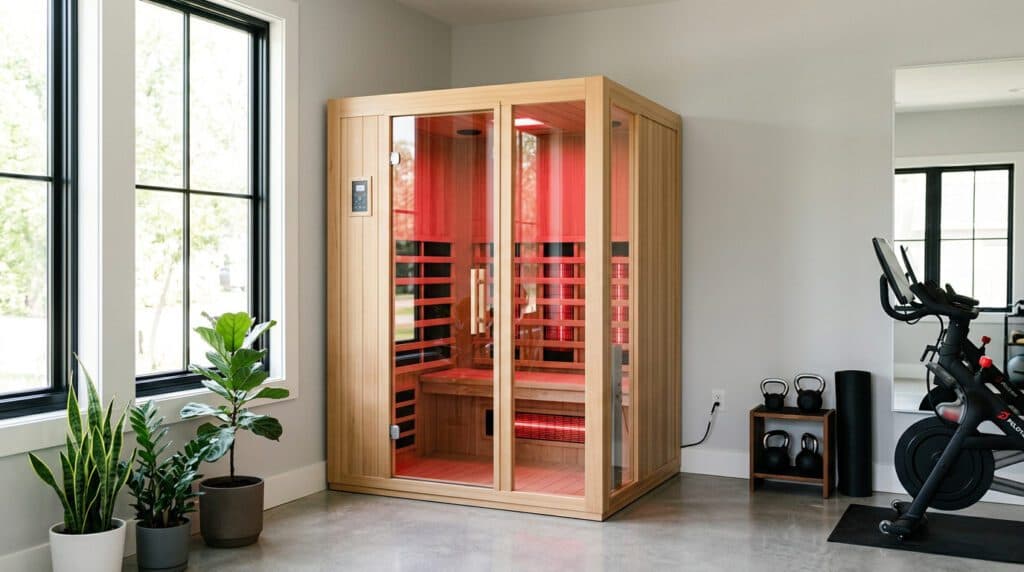
Infrared Sauna Health Benefits: What a Decade of Building Saunas Reveals
Read article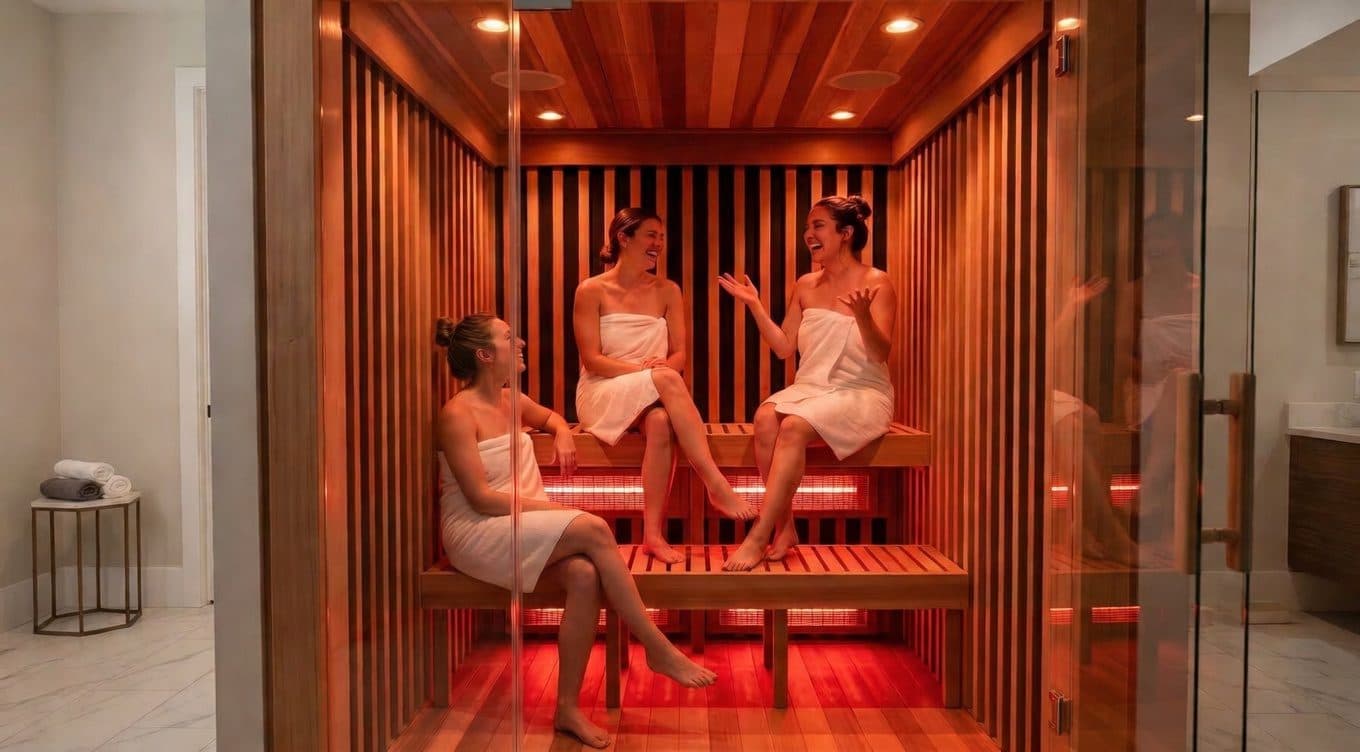
10 Tips for Infrared Sauna Success: A Beginner's Guide After 3,000+ Builds
Read article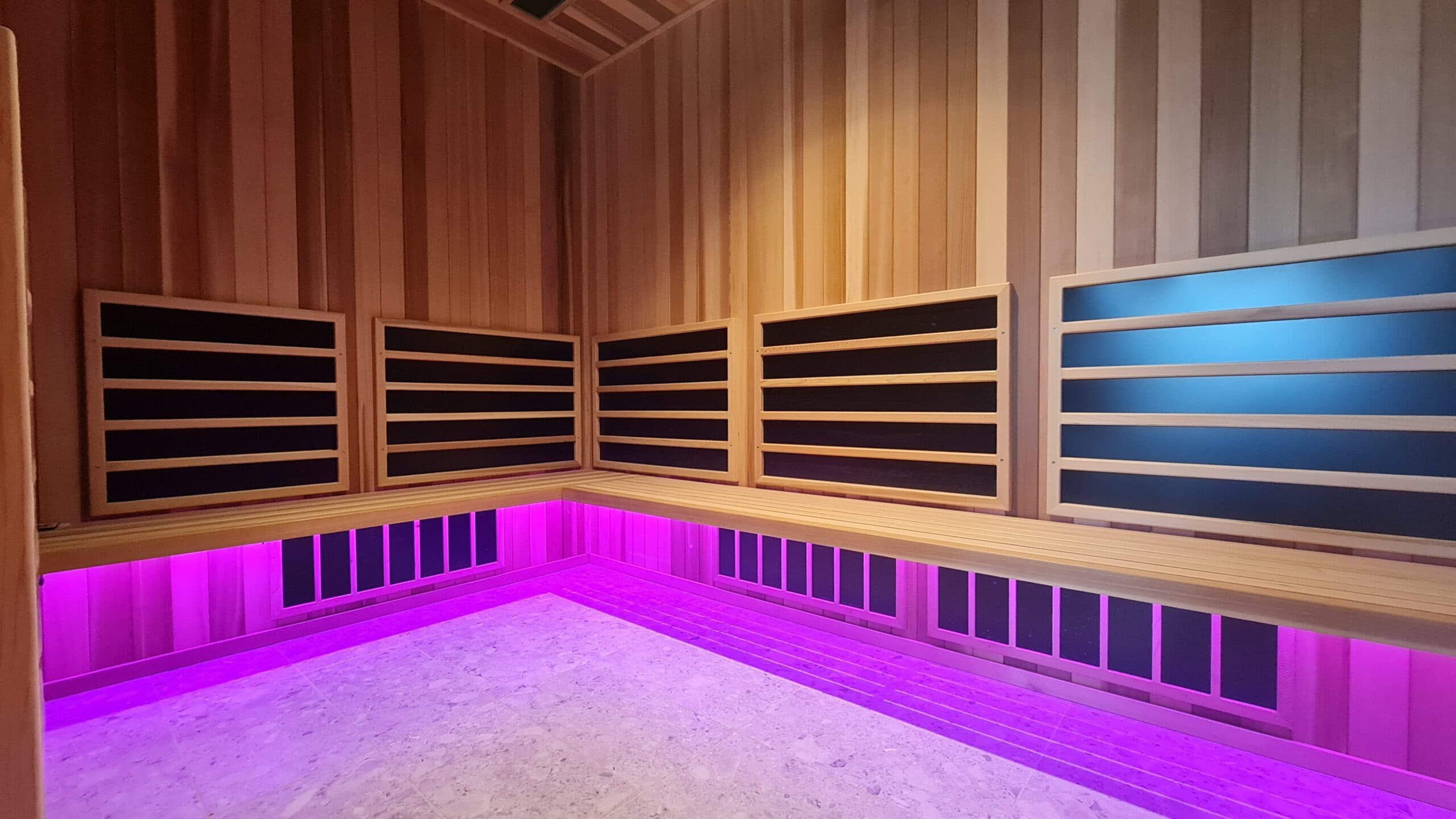
Build the Sauna That Supports Your Candida Protocol
Dry VantaWave® heat with zero humidity, precise temperature control for managing die-off, ultra-low EMF. Custom designed for therapeutic use.