Are Infrared Saunas Bad for Your Hair? The Science of Heat Stress
Key Takeaways
- Extreme ambient heat physically lifts the microscopic outer shingles of the hair cuticle, permanently dehydrating and damaging the protein structures of the hair shaft.
- A cold-water-dampened cotton towel or a specialized microfiber sauna hat acts as a highly effective physical shield, keeping your hair at a safe room temperature during sessions.
- Limiting your sessions to a maximum of 20 minutes, 2 to 3 times a week, prevents the profuse sweat-induced mineral drain of zinc and iron that can leave hair thin and limp over time.
In This Article
If you have been hitting the wellness routine hard, you probably love the deep relaxation, muscle recovery, and heart-healthy benefits of a good sweat. But you might also have noticed that your hair ends are starting to feel a little more like straw or dried hay lately.
So, does frequent sauna use dry out the scalp and hair strands? The short answer's yes—if your hair's left unprotected. While the heat does wonders for blood flow to your scalp, that dry air acts like a moisture magnet on your hair strands. It strips away protective oils and opens the hair cuticle long before those deep vascular benefits have a chance to feed your roots from the inside.
This is especially true if you have high-porosity or chemically treated hair, as these hair types are in the highest risk category for immediate structural depletion. By understanding the trade-off between your living follicles and the strands themselves, you can protect your hair while still getting all the benefits of your sauna session.
Infrared Saunas vs. Traditional Steam: How Differing Heat Levels Impact Hair Structure
Whether you are stepping into a humid, cloud-filled room or a dry infrared cabin, your hair strands reaction depends heavily on the ambient temperature and humidity.
Traditional wet heat and steam room scalp-scalding
Traditional steam rooms and classic Finnish saunas rely on high ambient moisture and intense air temperatures, often scaling up to 180°F or more. While steam feels hydrating to your skin initially, this kind of extreme, wet heat forces the hair fibers to swell aggressively. When the hair shaft swells under these high temperatures, the protective outer cuticle becomes fragile and vulnerable to stretching, weakening the internal protein cortex.
The dry infrared cabin environment
Modern infrared cabins are kinder to your hair because they work differently. Advanced systems—like SaunaCloud's low-EMF VantaWave heaters—use electromagnetic wavelengths to heat your core body temperature directly. This allows the cabin to run at a much safer, lower ambient temperature of 110°F to 140°F. However, because the air remains dry, moisture evaporation occurs rapidly. If you sit in this dry heat without a physical barrier, moisture is pulled right out of your strands, particularly if you already have high-porosity hair.
The Thermodynamics of Hair: Protein Denaturation and Hair Cuticle Damage
When you subject your hair to intense heat, the changes are immediate and permanent.
Lipping and buckling: the mechanics of cuticle lifting
The outermost layer of your hair, the cuticle, consists of flat, shingle-like scales that lock in moisture and protect the delicate inner structure. High heat causes these cuticles to bend, buckle, and lift—a process known as cuticle lifting. Once the protective shingles are raised, the natural hydration that keeps your hair soft and flexible simply evaporates. This heat-induced protein denaturation permanently compromises the keratin structure of the hair shaft. Because your hair is made of non-living proteins, it can't repair itself; once those structural bonds are cooked, the damage can't be washed away, and you'll eventually have to trim those hay-like ends off.
Why chemically altered and high-porosity hair are high-risk
If you bleach, dye, perm, or chemically relax your hair, your cuticle is already pre-compromised. Chemically altered hair naturally has high porosity, meaning its outer shingles are permanently propped open. When exposed to the dry, moisture-wicking air of a sauna, high-porosity hair loses its internal moisture almost instantly. This rapid structural dehydration leaves your hair immediately prone to severe styling damage, frizz, and snapping.
The Paradox of Scalp Circulation: Vasodilation vs. Telogen Effluvium
There's a trade-off when you sit in a sauna. While your heart's working hard to nourish your skin and scalp, there's a limit to how much heat your roots can handle.
Scalp vasodilation: feeding the root
On the positive side, the local heat from a session widen your blood vessels—a process called vasodilation. This temporary bump in blood flow to the scalp increases nutrient delivery directly to the dermal papillae at the root of your active hair follicles. Having a healthy supply of oxygen and blood-borne nutrients is great for keeping your hair follicles in their active growing phase. Just keep in mind that while it is an excellent supporting player for overall scalp health, increased blood flow from saunas is not a guaranteed miracle cure for hair loss.
Thermal shock and the telogen shedding trigger
However, overdoing the heat can backfire. Prolonged extreme heat puts stress on you. If you push your body too hard, it can push your hair follicles into a resting phase early. This physical response can trigger telogen effluvium—a temporary shedding phase.
If you notice a sudden increase in hair in your brush after starting an intense sauna routine, do not panic. This stress shedding is physically temporary and usually reverses itself once you back off the frequency, lower the heat, and give your body room to recover.
Dehydration, Baked-On Salt, and the Sweat-Induced Mineral Drain
Sweating it out feels like a reset, but heavy perspiring has a downside for your scalp.
The heavy sweating mineral drain: losing zinc and iron
When you sweat profusely, your body does not just lose water—it also drains essential trace minerals. Prolonged, daily heavy sweating can result in a physical drain of zinc and iron. Because these trace minerals are the primary chemical building blocks needed for optimal keratin production, consistently running low on them can leave your hair feeling limp, growing slowly, and thinning out in texture over time.
Follicle clogging: how baked-on salt crystals choke the scalp
Sweat is incredibly rich in sodium. When you sit in a dry sauna, the liquid part of your sweat evaporates rapidly, leaving behind highly concentrated salt crystals on your skin. When these baked-on minerals mix with your natural scalp sebum, they form a crust that blocks follicle respiration. This buildup not only causes scalp irritation and itching, but it also creates the perfect damp-and-salty breeding ground for Malassezia, the yeast responsible for stubborn dandruff.
Photothermal Cellular Stimulation: Why Red Light Therapy is Not Sauna Heat
While they both use light, they work differently and have different effects on your hair.
Unlike red light infrared saunas, non-thermal photobiomodulation—commonly known as red light therapy—does not use ambient heat to warm your body. Instead, specific light wavelengths penetrate your skin to stimulate energy production (ATP) at a cellular level, particularly targeting the hair follicle's fibroblasts. Because there is no ambient heat or dry air involved, red light therapy is highly effective at treating pattern hair loss without ever endangering your hair cuticle or evaporating its moisture.
To give you an idea of how powerful this non-thermal light therapy is, look at the clinical data. Robust studies, including those using advanced systems like the Theradome Laser Hair Helmet, have shown that low-level red light therapy delivers an approximate 40% increase in hair count over a 16-week study period for both male and female pattern hair loss. It is a slow burn that requires consistency, but it works purely through cellular stimulation rather than temperature elevation.
Beyond Capillary Flow: Underlying Hair Loss Causes That Saunas Cannot Reach
While the boost in capillary blood flow from an infrared session is fantastic for keeping your scalp skin healthy, it is vital to understand infrared sauna safety and keep your expectations grounded. Saunas are wellness tools, not targeted medical treatments.
If you're dealing with chronic thinning, simple blood flow changes aren't going to solve the root problem. Genetic hair loss is biochemically driven by hormones—specifically, dihydrotestosterone (DHT) binding to receptors in your hair follicles and causing them to shrink.
Capillary widening can feed a healthy follicle, but it cannot block DHT or rewrite your genetic code. For sustainable hair recovery, established medical options target these genetic pathways directly. Treatments like Minoxidil chemically extend your hair's growth cycle, while Finasteride works by blocking the production of DHT. These targeted therapies address the chemical root of the issue in ways that sweat and heat simply cannot reach.
Establishing a Physical Shield: What to Apply Before Entering the Cabin
Preparing your hair before you step inside the cabin is the single most important step for preventing structural damage. If you don't shield your strands beforehand, you're letting the dry air bake away your hair's moisture.
The absolute ban on styling products and raw oils during sessions
The most common mistake people make is entering the sauna with styling products still in their hair. Leave-in products containing high alcohol levels will literally bake into your hair shaft under high heat, severely drying out the protein cortex.
Equally dangerous is applying raw essential oils or heavy styling oils directly to dry hair before stepping into the heat. Without a water barrier, raw oil acts as a heat conductor inside the dry cabin—effectively deep-frying your fragile strands. Instead, you should always apply a rich, oil-free cream-based mask or a silicone-based heat protectant to damp hair before you put on any head coverage. The silicone or cream creates a safe, hydrating buffer that shields your hair from the dry infrared wavelengths.
Buyer rule: Never oil your hair before a sauna session, as fats act as heat conductors that can effectively deep-fry your delicate follicles.
Avoiding mechanical tension: saunas are not for ponytails
When your hair's exposed to heat, your protein bonds soften and become stretchy. If you pull your hair into a tight ponytail during a session, you're looking at breakage. The combination of thermal stress and physical tension stretch the weakened fibers to their breaking point, causing them to snap and contributing to traction alopecia. Keep your hair loosely tucked up or wrapped, never tied back under tension.
Constructing a Physical Barrier: Protecting Hair During Infrared Sessions
Along with using the right products, creating a physical barrier is key to keeping your hair healthy in an infrared cabin.
The best way to shield your hair is to wear a specialized sauna hat or a cotton/microfiber sauna hair cap. These accessories are specifically designed to insulate your head, keeping the intense dry air from making direct contact with your hair and scalp.
If you don't have a cap, you can use the old-school cold, damp towel trick:
- Submerge a clean cotton towel under cold water.
- Wring it out so it is damp but not dripping wet.
- Wrap your hair completely in the chilled towel before stepping into the cabin.
As you sit in the dryer environment, the heat from the infrared wavelengths will evaporate the cold water from the towel first, keeping your underlying hair fibers safely at room temperature for the duration of your session.
Session Frequencies and Post-Sauna Cooldowns for Hair Longevity
To keep your hair looking and feeling its best, you need to find the sweet spot where you get the cardiorespiratory and skin benefits of the sauna without drying out your strands.
The magic numbers: 20 minutes, 3 times a week max
When it comes to your hair health, moderation is key. Limit your cabin visits to a maximum of 20 minutes per individual session, and stick to a frequency of 2 to 3 sessions per week. Keeping your routine within these boundaries keeps you in the safe zone—allowing you to capture the cardiovascular and skin-boosting benefits of vasodilation without triggering extreme hair fiber dehydration, scalp sensitivity, or temporary stress-induced shedding.
The cool rinse and leave-in hydration reset
What you do immediately after step out of the cabin is just as critical as the prep work you did before going in. Follow this simple post-session reset to keep your hair and scalp in perfect balance:
- Rinse with cool water: As soon as you cool down, wash your scalp with cool water. This gently emulsifies excess sebum, rinses away irritating sodium sweat crystals, and immediately calms scalp inflammation while helping to close down those lifted hair cuticles.
- Apply leave-in hydration: While your hair is still damp, apply a lightweight, hydrating leave-in conditioner to lock in deep moisture and patch any gaps in the cuticle layer.
- Skip the heat styling: Your hair is already thermally stressed immediately after a session. Give your strands a break—never use blow dryers or flat irons right after your sauna. Let your hair air-dry naturally to restore its moisture balance safely.
Bottom line: Close your cuticles with cool water and skip the blow dryer to prevent snapping the fragile, heat-weakened protein structure after you exit.
Frequently Asked Questions
What are the negative effects of an infrared sauna?
While infrared saunas provide cardiovascular benefits, they can negatively affect hair by stripping essential moisture and causing long-term structural protein damage. Prolonged heat can lift the hair's protective cuticle, while excessive sweating may lead to a mineral drain of zinc and iron, potentially causing thinning or temporary stress-induced shedding.
Why does my hair feel like straw after a sauna session?
The dry environment of a sauna acts as a moisture magnet, pulling hydration directly out of your hair strands and causing the protective outer cuticle to buckle and lift. Once these microscopic shingles are compromised, the hair loses its ability to retain moisture, leading to the brittle, hay-like texture you experience after the heat causes permanent protein denaturation.
Can I use hair oil to protect my hair in the sauna?
No, you should never apply raw oils before entering the cabin because they act as heat conductors. Instead of protecting your strands, the oil can cause them to overheat, effectively deep-frying your follicles and accelerating damage. Always use an oil-free, cream-based mask or a silicone heat protectant to create a safe barrier.
What's the difference between traditional steam saunas and infrared cabins for hair health?
Traditional steam rooms rely on extreme heat and moisture that cause the hair shaft to swell, making it fragile and prone to stretching. Infrared cabins run at lower, safer temperatures, but their dry air causes rapid moisture evaporation, which necessitates a physical protective barrier to prevent the hair from becoming dehydrated.
Can I overdo red light therapy for hair growth?
Unlike sauna sessions that rely on ambient heat, red light therapy is a non-thermal process that stimulates cellular energy production without affecting hair temperature. Because it does not rely on heat and involves no drying air, it is generally safe for the hair cuticle and can be used consistently to support hair density without the structural risks associated with heat-based wellness treatments.
How can I prevent salt buildup on my scalp after a sauna?
Sweat contains high concentrations of sodium that can create a crusty buildup and clog follicles, so you should always prioritize a cool water rinse immediately after your session. Rinsing thoroughly with cool water helps clear away these crystallized minerals, calms scalp inflammation, and helps seal the hair cuticle to prevent breakage.
How much time should I spend in a sauna to protect my hair?
To balance the benefits of improved circulation with the risk of hair damage, limit your sessions to no more than 20 minutes at a time. Keeping your frequency to two or three sessions per week helps prevent the cumulative mineral loss and thermal stress that can trigger shedding and turn your hair limp.

Founder & Lead Designer, SaunaCloud®
SaunaCloud: 3,000+ installations since 2014 · Author of The Definitive Guide to Infrared Saunas · Featured in Forbes, Inc., and MSN
Christopher designs every SaunaCloud sauna. His work brings the room, heaters, controls and installation plans together so you can review the project before committing. His professional expertise is sauna design and construction, not clinical medicine.
Custom 3D renderings and a proposal in 24-48 hours.
Continue Reading
Safety & Best Practices
Are Infrared Saunas Safe? The Evidence-Based Answer (2026)
Read article
Infrared Sauna Benefits
Infrared Saunas and Cancer: Clinical Hyperthermia vs Home Sauna Use — What the Evidence Actually Shows (2026)
Read article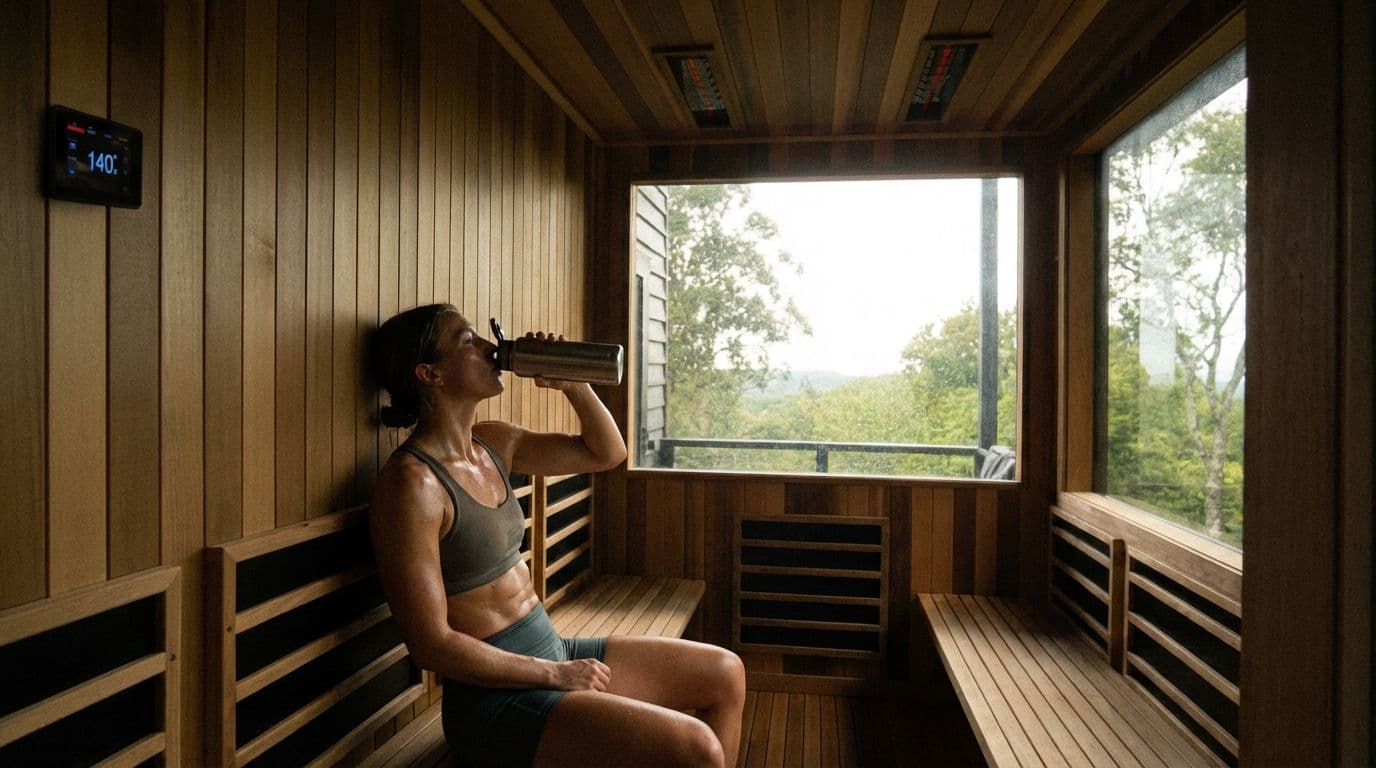
Infrared Sauna Benefits
Infrared Sauna Detox: What Leaves Your Body in Sweat — and What Doesn't (2026)
Read articleReady to Design Your Sauna?
Every project starts with a conversation. Tell us about your space and we'll create your custom plan — free, no obligation.
Custom 3D renderings and a proposal in 24-48 hours.