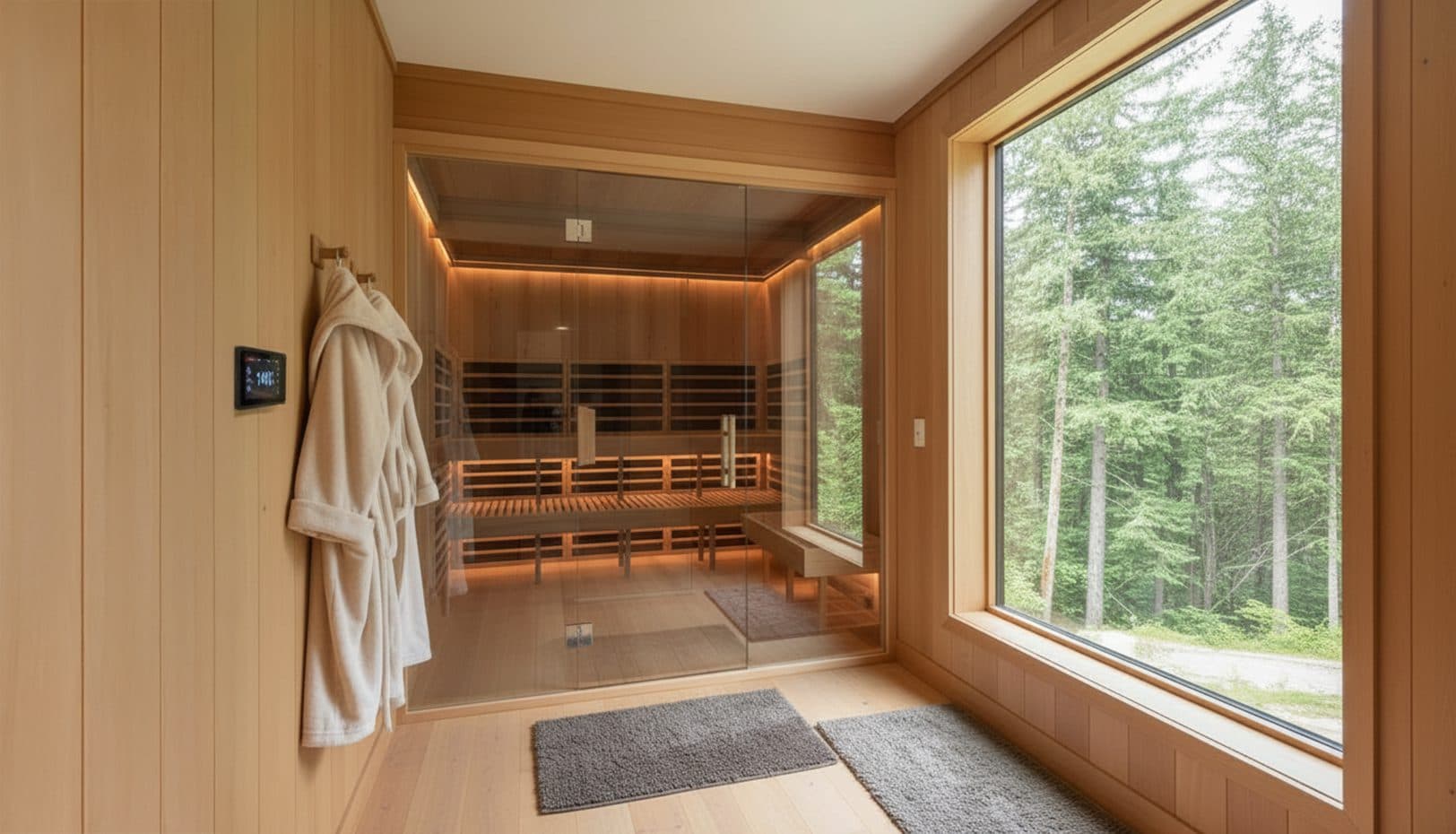
What Is the Best Wood for Infrared Saunas? A 25-Year Life-Cycle Guide
Key Takeaways
- Applying the Italian ingredient philosophy to your sauna purchase means critically evaluating the four individual components (wood, heaters, controllers, and hardware) to secure total longevity and air quality safety.
- Standard budget saunas rely on plywood and MDF, which use formaldehyde-based adhesives that predictably degrade, trapping moisture and off-gassing known carcinogens when exposed to extreme heat.
- A premium, solid Western Red Cedar build yields a proven 25- to 30-plus year lifespan, dropping the long-term economics of daily use to roughly $1.10 to $1.13 per session over its life cycle.
In This Article
When you start researching the best wood for infrared saunas, it’s easy to get lost in superficial aesthetic debates about how different woods look. But wood selection isn't just a design preference—it's a strict chemical safety and biological necessity.
To evaluate a sauna properly, you have to strip away the slick marketing claims and apply what we call the Italian ingredient philosophy. Think about culinary quality. A cheap Margherita pizza relies on processed factory dough, canned tomatoes, and low-grade mozzarella. It’s edible, but it’s forgettable and doesn't hold up. A great Margherita relies on the purity of a few flawless inputs: fermented dough, fresh buffalo mozzarella, and authentic DOP San Marzano tomatoes.
If you look at these four ingredients—wood, heaters, controllers, and hardware—you'll see whether a sauna is actually going to last you 25 years.
The chemical reality: plywood, MDF, and heated off-gassing
Many budget builds rely on composite woods like plywood and MDF (medium-density fiberboard) to keep costs down. The physical characteristics of these materials make them dangerous in a high-heat context. Instead of being solid pieces of lumber, composite woods are layers or particles held together by cheap structural adhesives. When those formaldehyde-based adhesives are subjected to interior sauna temperatures of 130 to 140°F, they break down. The result is toxic formaldehyde off-gassing directly into the enclosed cabin where you are sitting and breathing deeply for 45 minutes at a time.
A common failure pattern observed in budget sauna construction is the reliance on structural adhesives in non-visible internal walls. In practice, heat-cycling degradation of these glues leads to delamination and hidden mold buildup that the average owner doesn't notice until the odor changes. The constant expansion and contraction from extreme heat cycling destroyed the glue bonds, trapping unseen moisture between the separated layers of composite wood to promote hidden structural mold.
Checking that a sauna uses zero-glue construction instead of MDF or plywood is the only way to be sure it won't off-gas formaldehyde or grow mold from daily heat cycles. It isn’t just a luxury upgrade; it’s a standard for your safety.
"Inspecting a sauna for zero-glue construction and zero MDF or plywood is the only reliable way to guarantee the cabin will not off-gas formaldehyde."
Biological Sauna Standards: Western Red Cedar
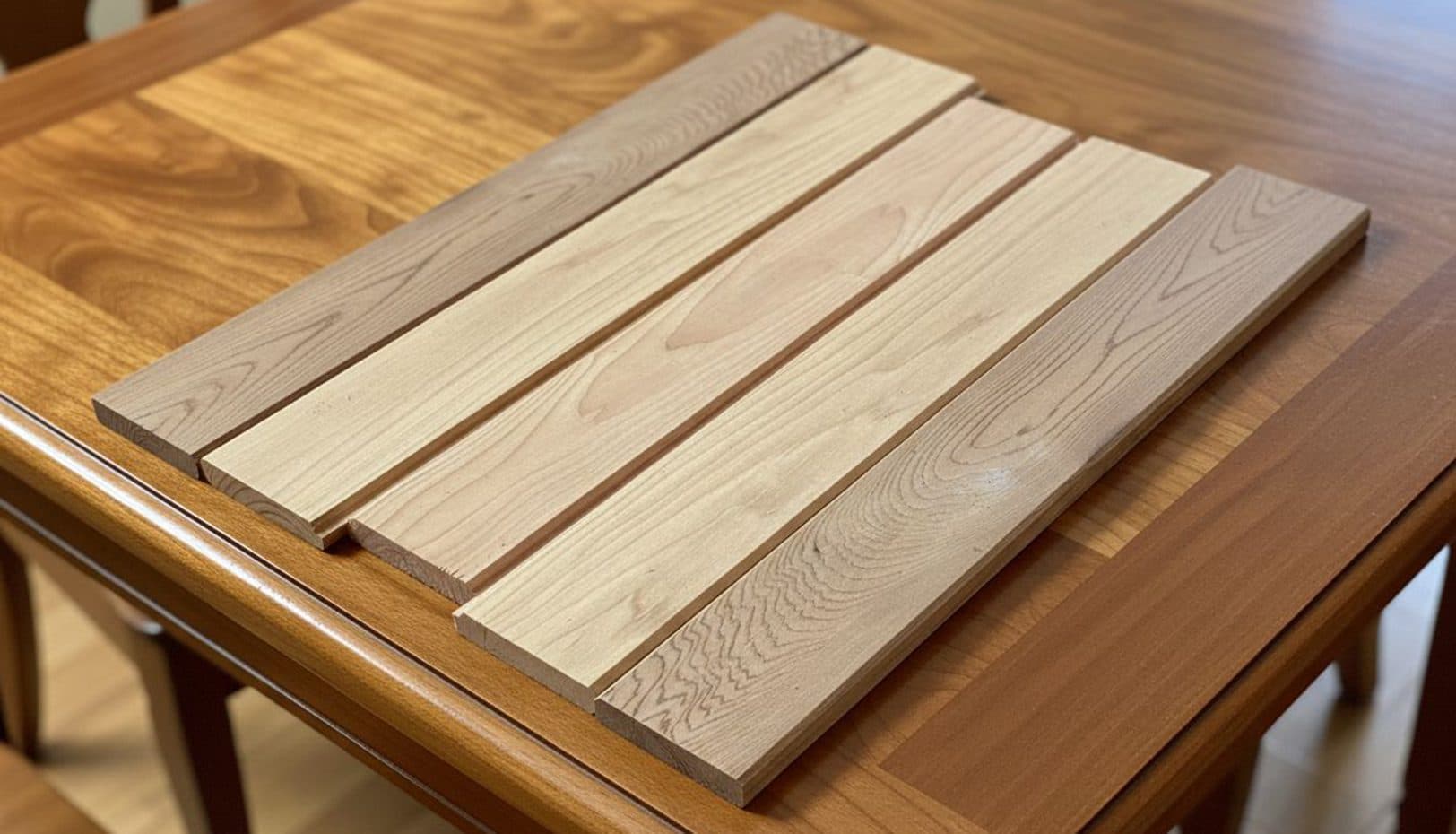
If plywood and MDF are the processed fillers to avoid, Western Red Cedar is the DOP San Marzano tomato of sauna design.
Western Red Cedar provides an active biological defense mechanism. It contains naturally occurring botanical compounds called thujaplicins, which behave as a native antimicrobial agent. Without any added chemical sealants, these oils naturally inhibit the growth of bacteria and fungi inside the cabin. This active defense is a biological advantage in a high-sweat environment.
Physically, cedar is uniquely suited for the extreme demands of heat therapy. It maintains dimensional stability, holding its shape without warping or cracking as the cabin rapidly heats up and cools down. It acts as a natural insulator, boasting an R-1.35 insulation value per inch that keeps energy trapped inside. Because it’s so structurally sound, it works perfectly with precision tongue-and-groove joinery, so you don't need any glue at all.
When paired together, Western Red Cedar's natural thujaplicins and dimensional stability allow it to survive 25 to 30 years of indoor high-heat cycling without warping, rotting, or requiring toxic chemical sealants. As an added benefit, the wood releases beautiful natural aromatic compounds when heated, which possess mild anxiolytic (calming) properties to help down-regulate your nervous system during your session.
Comparing hemlock, basswood, and the hypoallergenic trap
When evaluating the best wood for a sauna, you’ll frequently see alternatives like hemlock and basswood presented as perfectly acceptable options.
Hemlock wood for a sauna is the "canned tomato" of our culinary analogy. It is inexpensive and highly functional, but it lacks cedar’s antimicrobial properties, dimensional stability, and distinct aromatic character. It works, but it doesn't offer the active health and longevity benefits of premium timber.
Then there is the trap of "hypoallergenic" commercial woods, particularly basswood. Basswood is frequently marketed as a premium hypoallergenic alternative for people sensitive to strong scents. But keep in mind that being "hypoallergenic" just means the wood is biologically inert and lacks the active plant oils—the same ones that also happen to fight off decay.
Choosing "hypoallergenic" woods like basswood means you're trading away the natural antimicrobial defenses that keep an unsealed sauna sanitary for years. Without thujaplicins, the wood has minimal character and no built-in fungal resistance.
System synergy: why premium wood needs elite components
Sourcing quality wood is just the first step. A common mistake is pairing gorgeous, solid wood with generic, cheap heaters and hardware that tend to fail within 2-3 years. If you buy a beautiful cedar shell but the electronics fail after the manufacturer's typical 3-year lifespan, the wood's 25-year structural integrity becomes irrelevant.
A 25-year wood frame won't matter much if the hardware doesn't hold up. You need anti-corrosive stainless steel hardware and electronic controllers that you can actually service later. Here's how to make sure those other parts measure up.
Precision heaters and human safety
To get therapeutic benefits without electromagnetic field exposure, the heaters have to be flawless. At SaunaCloud, we hand-wire proprietary VantaWave heaters because they utilize a 0.97 emissivity rating—meaning 97% of the energy is efficiently converted to infrared heat. They operate precisely at a 7.9μm peak wavelength, specifically targeting human biology, while ensuring the cabin maintains ultra-low EMF levels at <0.5mG.
Long-term controller serviceability
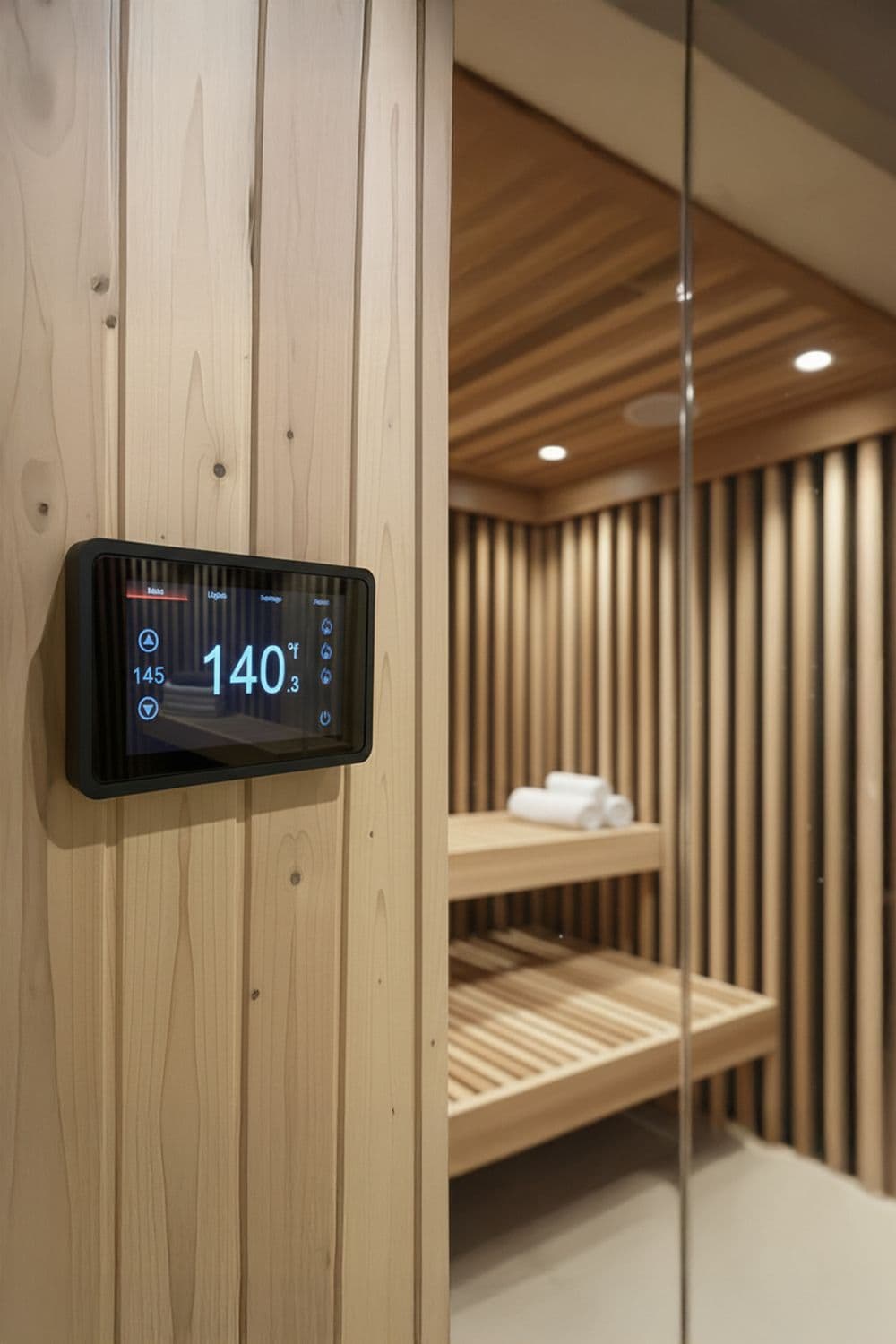
Controllers are usually the first thing to break; without a service-friendly design like the CORE 5, a dead panel turns your premium sauna into a giant paperweight. You need a setup built to last. Components like CORE 5 controllers are designed so that any single part can be swapped and replaced indefinitely, guaranteeing the brains outlast the body.
The hardware survival test
Standard hardware does not survive sauna humidity. If a builder uses cheap zinc-plated steel screws and hinges, those metals will inevitably fail in the humidity. We've seen zinc-plated steel rust and bleed permanent dark stains down premium cedar in just 2 to 3 years. To handle this, you need to upgrade to pure, anti-corrosive stainless steel.
Calculating Lifetime Value: 25-Year Cost-Per-Session
If you want to understand the true cost of a wellness habit, stop looking at the MSRP at checkout and start looking at the lifetime cost-per-session.
Cheaper initial materials create a deceptive financial paradox. Budget saunas using glued plywood, generic heaters, and zinc-plated steel hardware generally cost around $3,000 upfront. But because of heat cycles, they often face structural or mechanical failure in 5 to 7 years. Over that short, frustrating lifespan, your actual cost-per-session ends up being between $1.37 and $1.76.
By contrast, a premium solid-cedar build designed for the long haul requires a higher upfront investment—often around $10,000. However, because it bypasses structural replacement cycles, it will comfortably operate for 25-plus years. Over a quarter-century of daily use, that drops the long-term cost to just $1.10 to $1.13 per session.
Even though it's easier to focus on the checkout price, cheaper materials usually force a replacement by year five. In contrast, the $1.10–$1.13 per-session cost of solid cedar reflects how it's built to last for 25 years. When you look at the total cost, that "luxury" price tag is actually cheaper in the long run.
Operational realities: maintaining cedar over decades
When you invest in pure, unsealed Western Red Cedar, you have to abandon your normal cleaning habits.
Because the wood is porous and designed to breathe, you can't wipe your sauna down with standard cleaners or detergents. If you spray those on bare cedar, the wood will just soak them up. The next time you heat the cabin to 140°F, the wood will off-gas those exact cleaning chemicals directly into the air you are inhaling.
You shouldn't use chemical detergents on cedar, or you'll be breathing in VOCs during your next session. Instead, maintenance is simple: just wipe the wood down with water or a mild botanical cleaner, and leave the door open so it can dry out after you're done.
Keep a dedicated towel inside the cabin to catch your sweat. After your session, wipe the benches with a damp cloth, optionally add a drop of pure essential cedar oil to condition it, and leave the sauna door wide open so the moisture can escape. Let the wood's native thujaplicins do the rest.
Frequently Asked Questions
What is the best wood for an infrared sauna?
Answer one.Western Red Cedar is considered the gold standard due to its natural dimensional stability and innate antimicrobial properties. Unlike composite woods, solid cedar resists warping and fungal growth without requiring toxic chemical sealants, allowing it to last 25 to 30 years.
Is hemlock or cedar better for an infrared sauna?
Cedar is superior because it contains thujaplicins, which provide active biological defense against bacteria and mold. While hemlock is a functional and inexpensive alternative, it lacks cedar's natural antimicrobial resistance, aromatic qualities, and structural longevity.
What wood should you not use in a sauna?
Avoid any sauna built with plywood or medium-density fiberboard (MDF). These composite materials rely on formaldehyde-based adhesives that break down at high temperatures, causing the cabin to off-gas toxic chemicals while you sit inside.
Why does my sauna need to have zero-glue construction?
Zero-glue construction is essential because standard structural adhesives degrade during intense heat cycling. When these glues fail, they trigger formaldehyde off-gassing and create gaps where moisture can be trapped, leading to hidden, dangerous mold growth.
What's the difference between cedar and 'hypoallergenic' woods like basswood?
While basswood is marketed as hypoallergenic because it is biologically inert, it lacks the protective plant oils found in cedar. Trading these natural oils for a hypoallergenic label removes the wood's built-in defense against decay, making the sauna harder to keep sanitary over time.
How much does a high-quality sauna actually cost per session?
Although premium solid-cedar saunas have a higher upfront investment, they often cost between $1.10 and $1.13 per session over a 25-plus year lifespan. Budget saunas may be cheaper at checkout, but frequent structural failures mean they can end up costing you up to $1.76 per session due to their short lifespans.
Can I clean my cedar sauna with standard household detergents?
No, you should avoid standard chemical cleaners because porous cedar will absorb them. When you reheat the sauna, those chemicals will off-gas directly into the air you are breathing, potentially exposing you to toxic VOCs.

Founder & Lead Designer, SaunaCloud®
SaunaCloud: 3,000+ installations since 2014 · Author of The Definitive Guide to Infrared Saunas · Featured in Forbes, Inc., and MSN
Christopher designs every SaunaCloud sauna. His work brings the room, heaters, controls and installation plans together so you can review the project before committing. His professional expertise is sauna design and construction, not clinical medicine.
Custom 3D renderings and a proposal in 24-48 hours.
Continue Reading
Tips & Routines
How to Clean Your Infrared Sauna: The 'Less Is More' Guide to Cedar Care (2026)
Read article
Guides
How to Clean and Maintain Your Infrared Sauna: The Complete Guide from 3,000+ Installations
Read articleGuides
Why Premium Materials Matter in Infrared Saunas: The Italian Ingredient Philosophy
Read articleReady to Invest in a 25-Year Sauna That Actually Protects Your Health?
Don’t settle for a sauna that fails in 5–7 years. Choose the one that delivers daily therapeutic benefits for the next 25+ years — while actually saving you money in the long run.
Custom 3D renderings and a proposal in 24-48 hours.