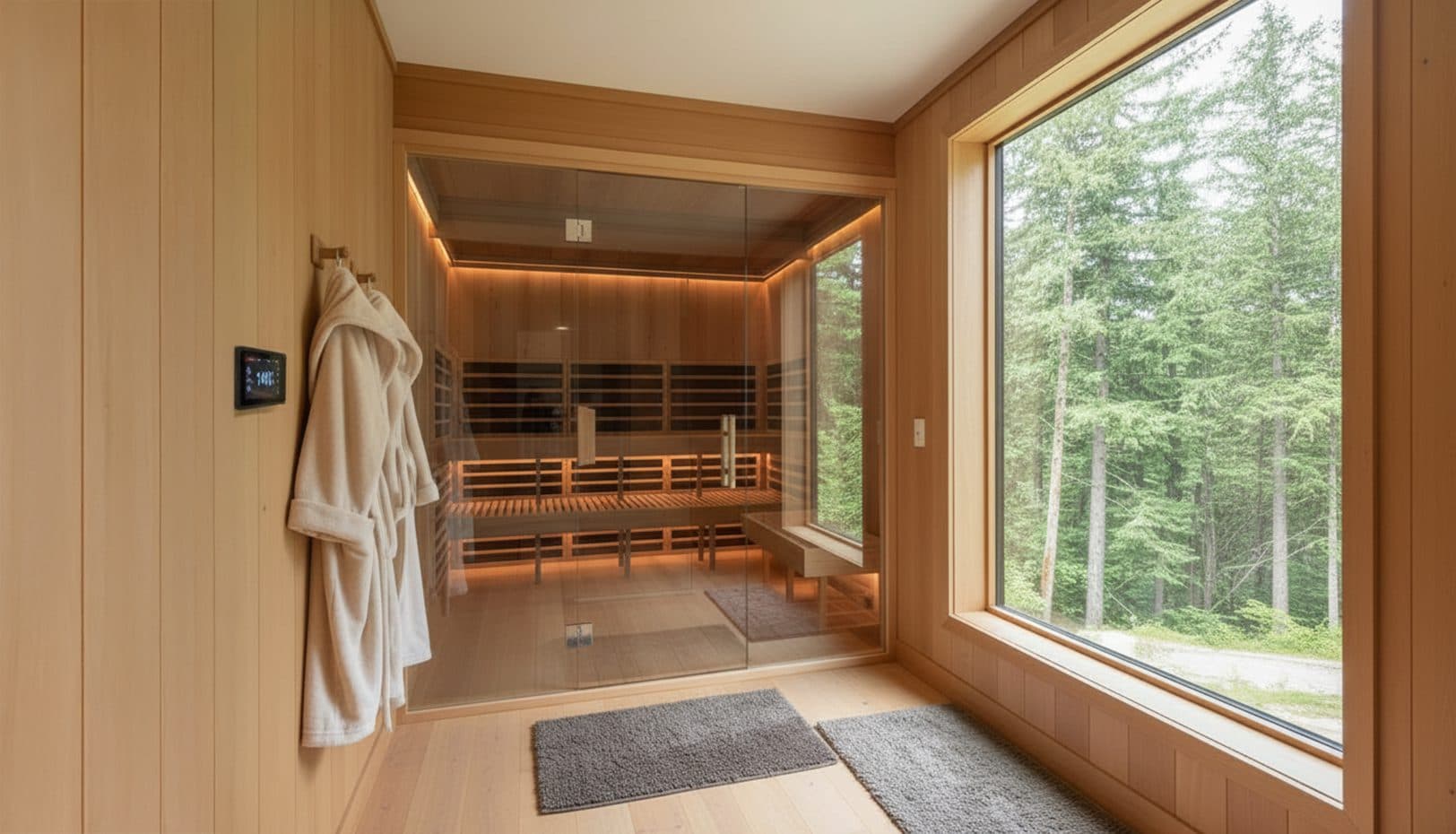
Infrared Sauna Aromatherapy: The Complete Safety Guide
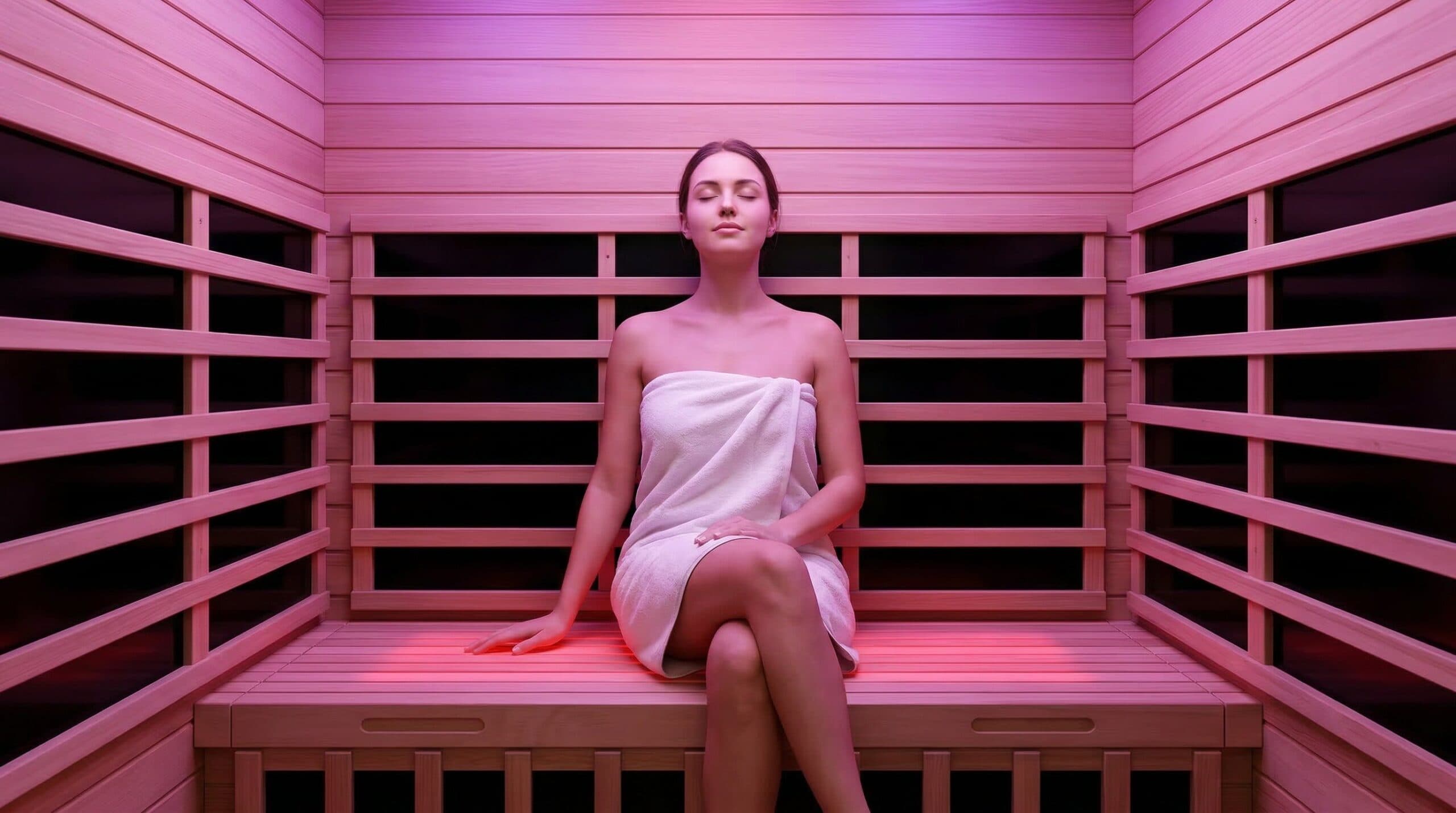
Key Takeaways
- Never apply undiluted essential oils directly to infrared heater panels or cabin wood — concentrated oils can damage carbon fiber emitters, degrade finishes, and create irritating fumes at high temperatures
- The damp washcloth method is the safest and most effective diffusion technique: add 3 to 5 drops of diluted essential oil to a damp towel, drape it over your shoulders or place it on the bench, and let the infrared heat gently release the aroma
- Not all essential oils are sauna-safe — avoid cinnamon bark, clove bud, oregano, and wintergreen inside the cabin, as these oils contain compounds that become caustic or irritating when heated above 120 degrees Fahrenheit
- DIY sauna sprays using distilled water, witch hazel, and 10 to 15 drops of essential oil per 4-ounce bottle let you mist the air without any contact with heater surfaces or wood grain
- Western Red Cedar, the wood used in every SaunaCloud custom sauna, naturally releases aromatic terpenes when warmed by infrared heat — providing a baseline aromatherapy experience without any added oils
In This Article
Aromatherapy and infrared saunas are two of the most powerful tools in the natural wellness space, and when combined correctly they create a sensory experience that goes far beyond what either delivers alone. But 'correctly' is the key word. I have seen customers ruin heater panels, stain premium wood, and fill their cabins with acrid smoke — all because they followed bad advice from social media about adding essential oils directly to hot surfaces.
I'm Christopher Kiggins, founder of SaunaCloud. Over twelve years of building custom infrared saunas, I've learned exactly which aromatherapy methods work inside an infrared cabin and which ones cause expensive damage. This guide covers everything: safe diffusion techniques, oils to use, oils to avoid, DIY spray recipes, recovery blends for muscle soreness and respiratory health, and why the wood your sauna is built from matters more than most people realize.
Why aromatherapy works differently in an infrared sauna
A traditional steam sauna operates at 150 to 195 degrees Fahrenheit with high humidity. Essential oils vaporize almost instantly in that environment, producing a sudden burst of scent that dissipates within minutes. An infrared sauna operates at a much lower air temperature — typically 120 to 150 degrees Fahrenheit — with minimal humidity. This lower, dry heat causes essential oil compounds to release more slowly and evenly, producing a sustained aromatic experience throughout your entire session.
Infrared heat also opens your airways gradually rather than shocking them with steam. As your core temperature rises and blood vessels dilate, your nasal passages and bronchial tubes relax. This means the volatile organic compounds in essential oils reach deeper into your respiratory system, which is why many users report stronger effects from the same oils they use at home in a standard diffuser.
The combination of deep sweating and detoxification with targeted aromatic compounds creates a synergy: the sauna opens your body's elimination pathways while specific oils support the systems doing the work. Eucalyptus supports respiratory clearing, lavender calms the nervous system during the parasympathetic shift, and peppermint provides a cooling sensation that makes higher cabin temperatures more comfortable.
The golden rule: never apply oils directly to heater panels
This is the single most important safety rule in infrared sauna aromatherapy. Carbon fiber and ceramic infrared heater panels operate at surface temperatures well above the flash point of most essential oils. When concentrated oil contacts a heater surface, three things happen: the oil combusts or smokes, releasing potentially toxic fumes; the residue bakes onto the emitter surface, reducing its infrared output; and the resulting buildup can become a fire hazard over time.
I have personally inspected saunas where customers poured essential oils directly onto heater panels after reading advice on wellness blogs. The damage is always the same — discolored emitters, a persistent burnt smell that takes weeks to air out, and in two cases, cracked ceramic elements that required full panel replacement. The infrared and red light heater technology in modern saunas is precise, and introducing foreign compounds directly onto those surfaces compromises both performance and safety.
Safe diffusion methods for infrared saunas
There are four safe methods for introducing essential oils into your infrared sauna session, listed from simplest to most involved.
1. The damp washcloth method
This is the method I recommend to every customer. Dampen a small cotton washcloth with warm water, add 3 to 5 drops of your chosen essential oil (pre-diluted in a carrier oil if you have sensitive skin), and either drape it over your shoulders, lay it on the bench beside you, or hang it from a hook near your face. The infrared heat warms the damp fabric slowly, releasing aromatic compounds at a gentle, consistent rate throughout your session.
The advantages of this method are significant: zero contact with heater panels, no risk of wood staining, easy cleanup (just wash the cloth), and precise control over scent intensity. If the aroma is too strong, fold the cloth to reduce the exposed surface area. If it fades, unfold it or add another drop.
2. DIY sauna mist spray
A simple spray bottle lets you mist the air inside your cabin without any liquid touching the heaters or wood grain. Here is the recipe I use and recommend:
- 4-ounce glass spray bottle (never plastic — essential oils degrade plastic over time)
- 3 ounces of distilled water
- 1 ounce of witch hazel (acts as an emulsifier to blend oil and water)
- 10 to 15 drops of your chosen essential oil or blend
- Shake well before each use and mist 2 to 3 sprays into the air above you at the start of your session
The mist settles through the warm air column and disperses evenly. Because the droplets are tiny and diluted, there is no risk of damaging surfaces. Re-spray once at the midpoint of your session if the scent fades.
3. Ceramic or terracotta diffuser disc
Small unglazed ceramic discs are designed to absorb essential oils and release them slowly when warmed. Place the disc on the bench floor (away from heaters), add 5 to 8 drops of oil, and let the ambient cabin heat do the rest. These discs are inexpensive, reusable, and completely passive — no electricity, no water reservoir, no moving parts. They work especially well for thicker oils like sandalwood and vetiver that don't diffuse well from a washcloth.
4. Pre-session body application
Dilute 2 to 3 drops of essential oil in a tablespoon of carrier oil (jojoba, fractionated coconut, or sweet almond) and apply it to your chest, shoulders, or the soles of your feet before entering the sauna. As your body temperature rises and your pores open, the oil warms and releases its scent directly into your breathing zone. This method doubles as a topical treatment — peppermint on sore muscles or lavender on your temples for headache relief.
The best aromatherapy session is one you don't have to think about. Set up your washcloth or spray before you step in, close the door, and let the heat do the work. If you're adjusting, fiddling, or worrying about your oils, you've already lost the relaxation benefit.
Essential oils to use in an infrared sauna
Not every essential oil performs well in a heated environment. The best sauna oils are thermally stable, produce pleasant aromas when gently warmed, and offer functional benefits that complement infrared therapy. Here are the top recommendations organized by purpose.
For relaxation and sleep
- Lavender — the gold standard for calming the nervous system; pairs perfectly with an evening wind-down session designed to promote deep, restorative sleep
- Roman chamomile — gentle sedative properties; excellent for anxiety and tension
- Ylang ylang — reduces heart rate and blood pressure; floral and grounding
- Bergamot — citrus with calming rather than stimulating properties; unique among citrus oils
For muscle recovery and joint pain
- Peppermint — cooling menthol provides contrast to infrared heat; excellent for sore muscles and joint stiffness
- Eucalyptus — anti-inflammatory and analgesic; opens airways simultaneously
- Rosemary — improves circulation and reduces muscle spasm; pairs well with post-workout sessions
- Black pepper — warming oil that enhances blood flow to sore areas; use sparingly (2 to 3 drops maximum)
For respiratory health
- Eucalyptus globulus — the strongest respiratory oil; opens sinuses and bronchial passages
- Tea tree — antimicrobial properties; supports immune function during cold and flu season
- Ravensara — antiviral and expectorant; less intense than eucalyptus for sensitive users
- Frankincense — anti-inflammatory for airways; also promotes meditative focus
For mental clarity and energy
- Peppermint — stimulates alertness; ideal for morning activation sessions
- Lemon — uplifting and cleansing; improves mood and focus
- Rosemary — enhances memory and cognitive performance in clinical studies
- Grapefruit — energizing citrus that also supports metabolic function
Essential oils to avoid in an infrared sauna
Some essential oils contain compounds that become irritating, caustic, or potentially harmful when heated above 120 degrees Fahrenheit. These oils should never be used inside an infrared sauna cabin, regardless of diffusion method.
- Cinnamon bark — contains cinnamaldehyde, which becomes a mucous membrane irritant at elevated temperatures; can cause coughing, burning eyes, and skin reactions
- Clove bud — high eugenol content becomes caustic when heated; can irritate airways and cause headaches in an enclosed space
- Oregano — extremely potent phenol content; even diluted, the heated vapors can overwhelm your respiratory system in a small cabin
- Wintergreen — contains methyl salicylate, which is toxic in concentrated vapor form; the heat amplifies absorption through skin and lungs beyond safe thresholds
- Camphor — can cause seizures in sensitive individuals when inhaled in concentrated, heated form; the enclosed sauna environment traps vapors at dangerous levels
- Thuja — contains thujone, a neurotoxin; heating increases vaporization rate beyond what your body can safely process
If you are unsure about a specific oil, apply this test: would you be comfortable inhaling it in a small, enclosed, 130-degree room for 30 minutes? If the answer is not a clear yes, leave it out of the cabin.
DIY sauna aromatherapy blends
These blends are formulated specifically for infrared sauna use. Each recipe is for a 4-ounce spray bottle using the distilled water and witch hazel base described above.
Post-workout recovery blend
- 6 drops peppermint
- 4 drops eucalyptus
- 3 drops rosemary
- 2 drops black pepper
This blend combines cooling, anti-inflammatory, and circulation-boosting oils. Use it during a post-workout recovery session to enhance the infrared therapy's natural effect on muscle soreness and joint inflammation.
Deep relaxation evening blend
- 7 drops lavender
- 4 drops Roman chamomile
- 3 drops bergamot
- 1 drop ylang ylang
Designed for evening sessions focused on sleep optimization and nervous system recovery. The lavender and chamomile dominate, with bergamot adding brightness and ylang ylang providing depth.
Respiratory clearing blend
- 6 drops eucalyptus globulus
- 4 drops tea tree
- 3 drops ravensara
- 2 drops frankincense
Use this during cold and flu season or whenever you feel congestion building. The eucalyptus and tea tree open airways while ravensara and frankincense support immune function. Combined with the infrared sauna's natural effect on circulation and detoxification pathways, this blend turns a standard session into a full respiratory treatment.
Morning activation blend
- 5 drops peppermint
- 5 drops lemon
- 3 drops rosemary
- 2 drops grapefruit
Bright, clean, and energizing. Use this for morning sessions when you want mental clarity and physical activation to start your day.
Why your sauna wood matters for aromatherapy
Most aromatherapy guides ignore the single largest aromatic surface in your sauna — the wood itself. Every SaunaCloud sauna is built with premium Western Red Cedar, and this choice matters enormously for aromatherapy.
Western Red Cedar naturally contains aromatic terpenes — primarily thujplicin, plicatic acid, and various cedrol compounds — that release gently when warmed by infrared heat. This means your custom-built wooden cabin provides a baseline aromatherapy experience before you add a single drop of essential oil. The warm, woody, slightly sweet scent of heated cedar is itself therapeutic: cedrol has been shown in clinical research to reduce heart rate and promote parasympathetic nervous system activity.
Cedar also has natural antimicrobial properties, which means it resists the mold and bacteria growth that can occur when moisture from essential oil sprays or damp cloths contacts wood surfaces in a warm environment. This is why cedar has been the preferred sauna wood for centuries — it handles humidity, heat, and aromatic compounds without warping, cracking, or developing odors.
Cheaper saunas built with hemlock, basswood, or plywood will absorb essential oils unevenly, develop permanent staining, and may off-gas adhesive compounds when heated — the opposite of the clean aromatic environment you are trying to create.
Safety precautions and best practices
Follow these guidelines to ensure every aromatherapy sauna session is safe, effective, and protective of your investment.
- Always use 100 percent pure, therapeutic-grade essential oils — synthetic fragrances contain petrochemicals that become toxic when heated
- Never exceed 15 drops of essential oil per session regardless of method — the enclosed cabin concentrates vapors quickly
- Keep a glass of water with you — essential oils can increase the sensation of heat and mask early signs of dehydration
- Ventilate your sauna for 10 minutes after an aromatherapy session by leaving the door open — this clears residual vapors and prevents oil buildup on surfaces
- If you experience headache, dizziness, or nausea during an aromatherapy session, open the door immediately and exit — you may be reacting to the oil itself or using too high a concentration
- Store essential oils outside the sauna cabin — prolonged heat exposure degrades oils and can weaken glass bottle seals
- Pregnant women should avoid all essential oils during sauna sessions — the combination of heat and volatile compounds creates additional risk
- If you take medications, check for interactions with specific essential oils — eucalyptus, for example, can interfere with certain blood pressure and diabetes medications
Frequently asked questions
Frequently Asked Questions
Can I use an electric diffuser inside my infrared sauna?
It is not recommended. Most electric diffusers are not rated for the temperature range inside an infrared sauna (120 to 150 degrees Fahrenheit), and the combination of heat and humidity from the diffuser's water reservoir can damage electronic components. Additionally, ultrasonic diffusers introduce moisture that can affect wood surfaces over time. The damp washcloth method and spray bottle are safer, simpler, and more effective in a sauna environment.
Will essential oils damage my cedar sauna wood?
Not if you use proper diffusion methods. The damp washcloth and spray mist techniques prevent concentrated oil from contacting wood surfaces. If undiluted oil does drip onto cedar, wipe it up immediately with a damp cloth. Western Red Cedar is naturally resistant to oil absorption, but repeated direct contact with concentrated oils will eventually darken the wood grain.
How many drops of essential oil should I use per session?
For the damp washcloth method, start with 3 to 5 drops. For a spray bottle, 10 to 15 drops in a 4-ounce bottle lasts multiple sessions (2 to 3 sprays per session). For a ceramic disc, 5 to 8 drops. Never exceed 15 drops of direct application per single session — the enclosed cabin concentrates vapors quickly and more is not better.
Is it safe to use essential oils with red light therapy panels?
Yes, as long as oils do not contact the panel surfaces. Red light therapy panels emit light, not heat that would vaporize oils, so there is no combustion risk. However, oil residue on a red light panel will reduce light transmission and is difficult to clean. Use the spray mist or washcloth method and keep direct oil application away from all panel surfaces.
Can I use essential oils in every sauna session?
You can, but it is not necessary. Many experienced sauna users alternate between aromatherapy sessions and plain sessions to avoid olfactory fatigue (your nose stops noticing the scent) and to enjoy the natural cedar aroma on its own. Two to three aromatherapy sessions per week is a good starting point.
What is the best essential oil for a first-time sauna aromatherapy experience?
Lavender. It is universally well-tolerated, thermally stable, genuinely calming, and has the lowest risk of adverse reactions. Start with 3 drops on a damp washcloth, experience the full session, and then experiment with other oils and blends once you know how your body responds to aromatherapy in a heated environment.

Founder & Lead Designer, SaunaCloud®
SaunaCloud: 3,000+ installations since 2014 · Author of The Definitive Guide to Infrared Saunas · Featured in Forbes, Inc., and MSN
Christopher designs every SaunaCloud sauna. His work brings the room, heaters, controls and installation plans together so you can review the project before committing. His professional expertise is sauna design and construction, not clinical medicine.
Custom 3D renderings and a proposal in 24-48 hours.
Continue Reading
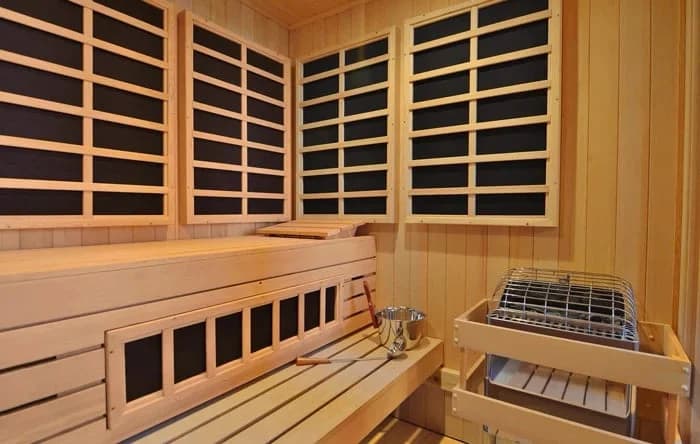
Safety & Best Practices
Infrared Sauna Side Effects: Normal Responses, Preventable Problems, and Genuine Concerns (2026)
Read article
Tips & Routines
The Infrared Sauna Daily Routine: Five Session Types for Every Day of Your Week (2026)
Read article
Infrared Sauna Benefits
Infrared Sauna for Menopause: Natural Symptom Relief
Read articleDesign Your Aromatherapy-Ready Sauna
Our custom infrared saunas are built with premium Western Red Cedar — the ideal wood for essential oil diffusion.
Custom 3D renderings and a proposal in 24-48 hours.