How Long to See Benefits of Infrared Sauna? A Reality Check
Key Takeaways
- Sensory relief and parasympathetic activation occur almost immediately, typically within the first 10 minutes of initial heat exposure.
- Long-term physiological adaptations, including cardiovascular resilience and deep tissue toxin mobilization, demand sustained, multi-week usage protocols to materialize.
- Achieving aesthetic skin benefits from integrated red light therapy strictly requires sitting within 2 to 6 inches of the emitters; any further distance renders the therapeutic light ineffective.
- Contrast therapy, which incorporates routine variation by rotating through hot-cold-rest phases, often accelerates recovery metrics compared to static heat exposure.
In This Article
If you've ever tried to research how long it takes to see the benefits of an infrared sauna, you've likely run into the wellness industry’s worst habit: instant-gratification marketing. Countless brands sell the fantasy that a single 30-minute sweat session will remodel your cardiovascular system, clear your skin of all blemishes, and flush every toxin from your body.
At SaunaCloud, our design logic is built on radical transparency rather than hype. If you're going to invest the time—and inevitably the money—into an infrared habit, you need a reality-based timeline of how your biology responds. What's the typical timeline for infrared sauna results? Subjective sensory relief and mood improvement happen within minutes, but structural changes to your heart health, toxin clearance, and skin texture require weeks of consistent compounding.
Immediate Mood Boosting and Sensory Rewards
Physical shifts, such as parasympathetic nervous system engagement and heart rate elevation, typically manifest within the first 10 minutes of exposure. Usually, within the first 10 minutes of sitting on the bench, the immediate heat exposure forces your body to shift gears, engaging the parasympathetic nervous system to calm your breathing while triggering a steady endorphin release that washes away acute daily stress.
Because infrared sauna models use targeted thermal radiation to warm your tissue directly—operating in an optimal 100°–150°F range—they avoid the harsh, suffocating ambient heat of traditional hot rocks that routinely exceed 200°F. Board-certified dermatologist Dr. Brendan Camp notes that infrared heat is gentle. He likens the sensation to the gentle, deep-penetrating warmth experienced while resting under a bright sun on a mild afternoon, which allows for longer, tolerable sessions.
"Subjective sensory relief and mood improvement happen within minutes, but structural changes require weeks of consistent compounding."
The sleep-inducing effects of core temperature reduction occur during the post-session cooling period, typically 2 to 4 hours after the session concludes. Hours after you exit the cabin, your body experiences a noticeable core temperature drop, which acts as a biological sleep-onset signal to plunge you into deeper slow-wave sleep that night.
Physical and Physiological Adaptation
True biological shifts happen on a much longer horizon, relying on the compound interest of repeated thermal exposure.
Many users also look to heat therapy for weight loss, though the immediate physiological mechanisms are frequently misunderstood. Any immediate post-sauna drop on the scale is purely transient water weight lost through sweat, not true fat oxidation. While an elevated heart rate burns some additional calories, meaningful shifts in body composition require regular sessions paired with long-term diet and exercise.
Circulation and Heart Health
Unlike the sudden rush of endorphins, cardiovascular resilience is dependent on persistent repetition. Exposing your body to intense heat mimics the circulatory demands of moderate exercise, elevating your heart rate and accelerating the delivery of oxygen and vital nutrients into tired muscle tissue. However, to create lasting vascular elasticity and objectively improve your circulatory function, you need to commit to a multi-week schedule. Fewer than 10 sessions will temporarily increase blood flow, but lasting vascular restructuring requires sustained, multi-week protocols.
Toxin Mobilization
Deep-tissue heat application helps mobilize lipid-soluble toxins and facilitates the gradual clearing of heavy metals out of fat cells—often with lab reports showing up to a 7x higher concentration of toxins in infrared sweat compared to normal exercise perspiration. Supported by the well-documented connection between infrared saunas and inflammation, This systematic physiological cleanse requires consistency, ongoing cellular turnover, and patience to see measurable improvements in systemic mobility.
Skin and Aesthetic Improvements via Chromotherapy
Naturally, extensive sweating helps purge your pores of trapped oil and external debris, potentially allowing you to rely less on heavy makeup over time. But if you want to unlock the ceiling for aesthetic results, chromotherapy is required.
If you sit inside an infrared sauna equipped with LED panels, skin transformations aren't immediate, requiring sustained 660nm light exposure. Photobiomodulation requires direct cellular absorption, which is dictated by the physics of distance.
A common failure pattern in home setup is treating therapy light like a standard reading lamp. To activate collagen production and see aesthetic benefits from the clinically backed 660nm wavelength, you must maintain a strict 6-inch proximity between your bare skin and the emitter. If you expect comparable infrared sauna skin benefits while mostly lounging in the middle of a cabin, you're merely soaking up ambient room lighting, missing the precise operational threshold required to interact with cellular tissue.
Operating Parameters for Commercial and Home Efficacy
Where you sweat, the quality of your infrared heaters, and the frequency of your routine alter when your far infrared sauna health benefits arrive. Whether you rely on commercial services or invest in a home-based unit such as the Atlas One cabin, failing to maintain the 100°–150°F range or the 6-inch distance to infrared heaters results in stunted physiological progress.
Session Duration and Frequency
Optimal single-session duration spans between 30 to 75 minutes, with structural bodily changes requiring frequency of three to five days a week. Booking occasional sessions at popular commercial wellness boutiques like HigherDOSE or Chillhouse is an excellent entry point. However, the true biological adaptations mentioned above demand high-frequency use that's often logistically difficult and highly expensive to maintain via retail appointments. Transitioning to a dedicated home setup removes the scheduling friction, helping you build and sustain consistent baseline health.
Safety Specs and EMFs
If you're building a daily thermal habit, invisible engineering elements become critical health factors. You need verifiable low-EMF shielding that reliably limits magnetic exposure to the rigorous <0.20mG safety baseline over a full 60- or 75-minute block. We built the SaunaCloud Atlas One exactly around this constraint. Subjecting yourself to poorly shielded, high-frequency electromagnetic fields creates unwanted biological stressors, meaning your body wastes energy fighting the environment rather than actively recovering within it. The Atlas One secures this baseline, ensuring you don't accumulate biological friction over months of use.
Contrast Therapy and Routine Variation
Tracking smartwatch metrics or HRV scores too closely during a session spikes cortisol, actively cancelling the neurochemical relaxation the sauna provides. To see objective results and build baseline health, you should aim to use an infrared sauna three to five days a week. Approach this high-frequency routine through sensory enjoyment rather than agonizing over sterile health data.
The r/Sauna community, with over 150,000 members, reaches a consensus: hyper-focusing on heart rate variability or sleep scores ruins the relaxation experience. Furthermore, many dedicated users eventually discover that plain heat is only half the equation, achieving faster recovery metrics when they pivot to cyclical contrast therapy regimens that deliberately rotate through hot-cold-rest phases rather than agonizing over static heat exposure.
Hydration and Safety Protocols
Your physical threshold for heat dictates how effectively you can leverage infrared therapy.
The Essential Aftercare Phase
Your session doesn't magically end the second you open the cabin door. When you step inside, you're functionally inducing an artificial fever to safely raise your subcutaneous temperature, a necessary systemic stressor that builds lasting immune resilience over weeks and months. Because the body takes time to down-regulate this internal heat response, you must plan for an average 30-minute post-session prolonged sweat. According to Dr. James Kilgour, rigorous pre- and post-session hydration is mandatory to support this extended cooling phase; if you fail to replace lost fluids, a therapeutic session can lead to dangerous exhaustion.
Pre-condition Disqualifiers
Because intense heat places immediate physiological demands on your vascular systems, certain health backgrounds act as disqualifiers. Anyone actively managing chronic hypotension, severe heart disease, pregnancy, or heat-triggered facial rosacea must consult their primary care physician before beginning an infrared routine. Focusing on a medically backed timeline keeps you safe, ensuring the heat builds your body up rather than tearing it down.
Frequently Asked Questions
How quickly do you see results from an infrared sauna?
Subjective rewards like stress relief and mood improvement happen within the first 10 minutes of exposure as your nervous system shifts into a parasympathetic state. However, long-term biological changes—such as cardiovascular improvements and deep-tissue detoxification—require weeks of consistent, multi-week usage to manifest.
What is the 200 rule for saunas?
While the rule is often cited in traditional sauna circles, infrared saunas operate differently by using targeted thermal radiation rather than intense ambient heat. Infrared units prioritize an optimal 100°–150°F range to allow for longer, comfortable sessions that heat your tissue directly instead of simply baking the air around you.
Does red light therapy in a sauna work if I'm sitting in the middle of the cabin?
No, sitting in the middle of the cabin provides only ambient light and fails to deliver actual therapeutic benefits. To trigger the cellular absorption needed for collagen production, you must maintain a strict distance of 2 to 6 inches between your bare skin and the light emitters.
Why do some people use contrast therapy during their sauna session?
Contrast therapy, which involves rotating through hot, cold, and rest phases, acts as a catalyst for recovery compared to static heat usage. Many users find this approach accelerates physical repair metrics and prevents the psychological burnout that can come from tracking wearable data during a session.
How often should I use an infrared sauna to see physiological changes?
Significant biological adaptations, such as vascular restructuring and systemic toxin mobilization, require a high-frequency protocol of three to five days per week. Occasional sessions at a boutique service are useful for entry, but true consistency usually requires the convenience of a home-based unit.
What does the post-session cooling period do for my sleep?
The cooling phase is a critical biological sleep-onset signal that occurs 2 to 4 hours after your session. By facilitating a natural drop in your core body temperature after the artificial fever induced by the sauna, your body is better prepared to plunge into deeper, slow-wave sleep cycles that night.
Is low-EMF shielding really necessary for a sauna?
Yes, it's essential if you plan to build a long-term daily health habit. Poorly shielded units expose you to constant electromagnetic fields, which create unnecessary biological stress and force your body to expend energy fighting the environment rather than focusing on recovery.

Founder & Lead Designer, SaunaCloud®
SaunaCloud: 3,000+ installations since 2014 · Author of The Definitive Guide to Infrared Saunas · Featured in Forbes, Inc., and MSN
Christopher designs every SaunaCloud sauna. His work brings the room, heaters, controls and installation plans together so you can review the project before committing. His professional expertise is sauna design and construction, not clinical medicine.
Custom 3D renderings and a proposal in 24-48 hours.
Continue Reading
Infrared Sauna Benefits
Infrared Sauna Health Benefits: The Complete Science-Backed Guide (2026)
Read article
Infrared Sauna Benefits
Getting High Naturally: The Complete Neurochemistry of the Infrared Sauna Euphoria (2026)
Read article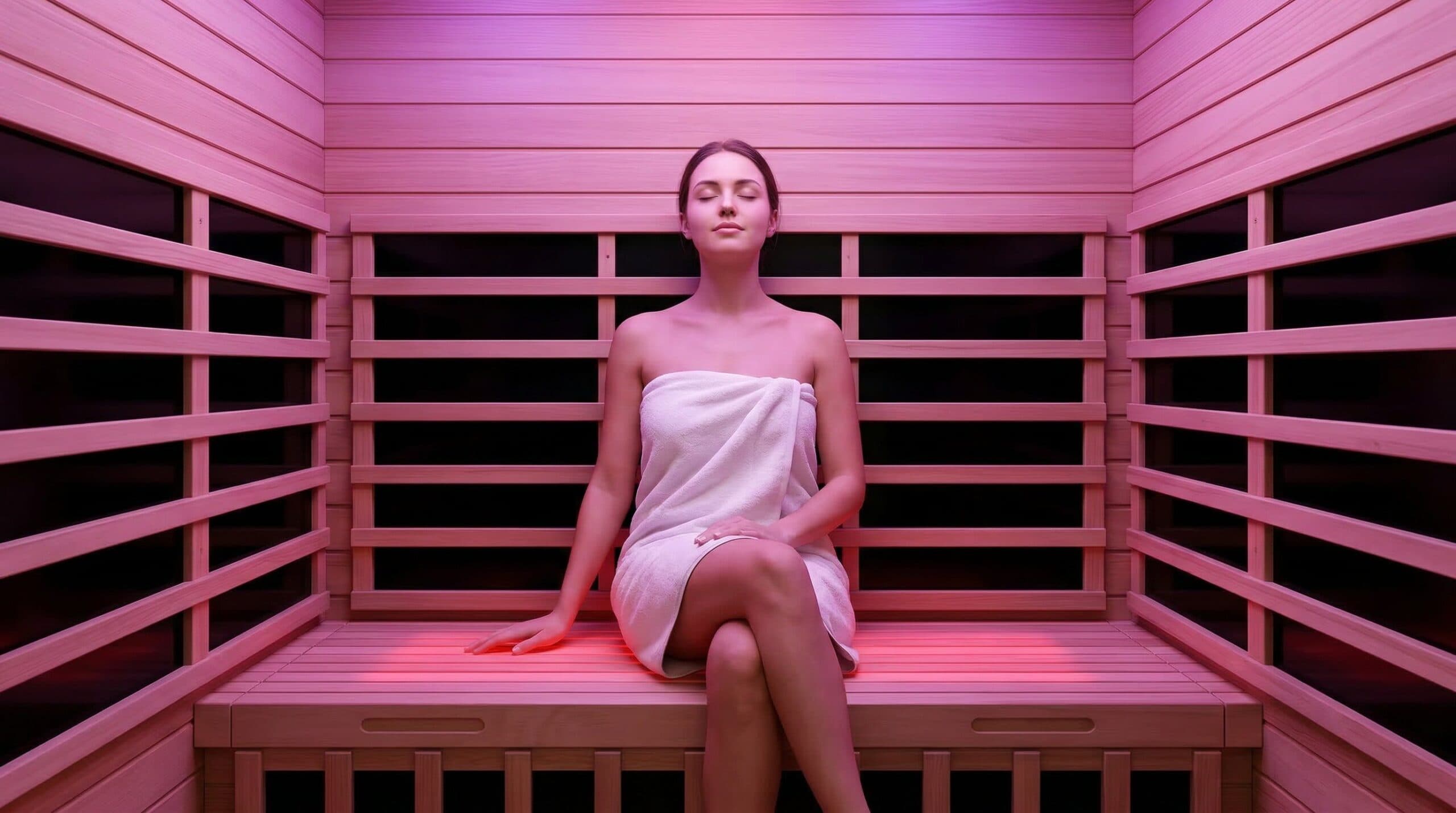
Infrared Sauna Benefits
Infrared Saunas and Inflammation: How Heat Therapy Reduces Chronic Inflammation (2026)
Read articleReady to Design Your Sauna?
Every project starts with a conversation. Tell us about your space and we'll create your custom plan — free, no obligation.
Custom 3D renderings and a proposal in 24-48 hours.