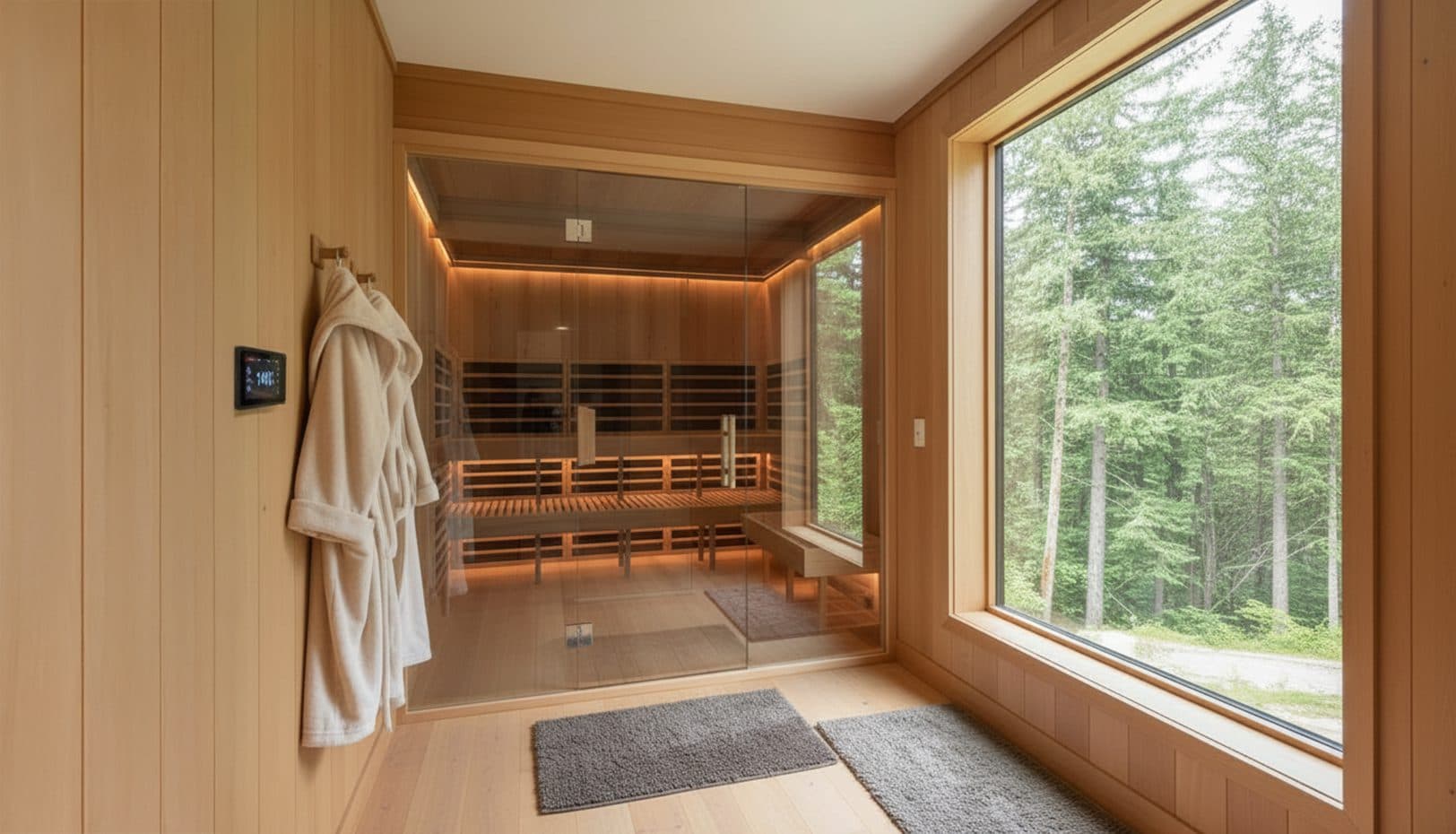
Dry Sauna vs. Infrared: Which Health Benefits Are Real?

Key Takeaways
- Traditional saunas heat the air up to 195°F, limiting safe physical endurance to strict 15-minute sessions.
- Infrared saunas bypass the air to heat your body directly using electromagnetic radiation, allowing you to comfortably extend sessions up to 30 minutes at 120°F to 140°F.
- A long-term 2017 study found a direct connection between frequent heat exposure in traditional units and lower risks of dementia and Alzheimer's disease in men.
In This Article
You want the longevity and recovery benefits of heat exposure, but you probably hate the idea of sitting in a 195-degree wooden box while struggling to breathe. To make the right choice between a traditional setup and a custom infrared sauna, you need to understand which thermal mechanism — ambient or radiant heat — matches your physical tolerance before you spend your money or your time on a session.
Traditional Dry Saunas: Ambient Heat and Extreme Temperatures
You must cap sessions at a strict 15-minute maximum when exposing your body to the 195°F extremes of traditional ambient environments. A traditional dry sauna functions by aggressively heating the air surrounding you. The heater blasts the air inside the room to an operating range of 150°F to 195°F (65.6°C to 90.6°C). Your body starts sweating as a compensatory reflex to cool down against that intense atmospheric saturation.
The thermal load is high, which is why most guidelines draw a hard line at a 15-minute maximum session limit for healthy adults. If you want the traditional experience, you have to accept that the air you breathe will reach temperatures up to 195°F and low humidity levels, which stands in stark contrast to the much cooler 120°F to 140°F ambient temperature range of an infrared sauna.
You must cap sessions at a strict 15-minute maximum when exposing your body to the 195°F extremes of traditional ambient environments.
Infrared Saunas: Direct Electromagnetic Warming and Longer Sessions
You can take advantage of a 30-to-50-degree ambient temperature drop to extend the therapeutic stress window safely up to 30 minutes. Instead of aggressively heating the air, infrared systems emit waves that warm human tissue directly. As a designer at SaunaCloud, I built our engineering philosophy around direct electromagnetic radiation of human tissue, which is exactly what our VantaWave heaters are tuned for.
Direct Wave Penetration vs Ambient Heat
Infrared technology fundamentally changes the physics of a session by bathing you in wave energy rather than suffocating you with hot air. The heat comes directly from infrared lamps that emit electromagnetic radiation, completely bypassing the room's atmosphere to warm you. Near-infrared waves remain highly superficial to target skin layer changes, mid-infrared wavelengths penetrate deeper to encourage vasodilation, and far-infrared delivers the deepest heat transfer directly into the core matrix of human tissue. You get the deep tissue thermal stress without the suffocating sensation of breathing scorched oxygen.
Extending the Therapeutic Window
Because the heat penetrates your body directly, an infrared sauna runs at a lower temperature of 120°F to 140°F (48.9°C to 60°C). That temperature drop changes the math. A lower temperature extends the therapeutic window by preventing premature cardiovascular exhaustion. This gentler physiological climb allows users to experience profound relaxation benefits, easing nervous system tension without the panic-inducing shock of overwhelming atmospheric heat. If you are new, you still start with a 10- to 15-minute session, but you can comfortably inch that average time up to 30 minutes as your physical tolerance improves.
Metabolic Impact and Hyperthermic Conditioning
While marketing claims often exaggerate massive calorie expenditure during infrared sessions, your metabolic rate actually increases only marginally to support active cooling mechanisms. The true value lies in hyperthermic conditioning regimens. Repeated radiant heat stress safely forces cardiovascular adaptations, plasma volume expansion, and resting heart rate reductions. Therefore, the metabolic stress serves as an evidence-based protocol for vascular conditioning rather than a primary vehicle for passive weight loss.
Steam Rooms: High Humidity and Lower Absolute Temperatures
The heavy thermal stress in a wet environment relies on your body's inability to evaporate sweat, requiring entirely different tolerability standards than traditional ambient heating. Steam rooms use a generator filled with boiling water to heat the space, typically capping the room temperature somewhere around 110°F (43.3°C). But that low reading lies to you. The water causes humidity.
The high humidity in steam rooms inhibits sweat evaporation, preventing core temperature regulation at 110°F from your skin to properly regulate your core temperature and cool you down safely. Steam helps break up congestion inside your sinuses and lungs, but it requires serious endurance — for the head-to-head, see our steam room vs. infrared sauna comparison.
Head-to-head Comparison: Mechanisms and Session Thresholds
When evaluating how the heating mechanism differs, traditional dry saunas rely entirely on convection by warming the ambient air to a blistering 150°F to 195°F. In contrast, infrared saunas use radiant thermal energy, employing an electromagnetic spectrum to directly warm human tissue at a cooler 120°F to 140°F. This fundamental discrepancy in heat transfer directly dictates your physiological safety threshold. It strictly caps endurance in extreme convective heat at 15 minutes while granting up to 30 minutes of manageable radiant exposure safely.
| Feature | Dry sauna | Infrared sauna |
|---|---|---|
| Heating mechanism | Heats ambient air | Warms body directly via wave energy |
| Operating temperature | 150°F to 195°F | 120°F to 140°F |
| Maximum time limit | 15 minutes | 30 minutes |
| Air quality | Extremely hot, dry air | Warm, breathable room temperature air |
Clinical Outcomes: Cardiovascular and Neurological Evidence
You need to set your expectations for brain and heart health based specifically on established high-heat dry sauna studies, rather than projecting them onto infrared units without parity data. While radiant heat is physically easier to endure, the vast majority of our historical clinical data comes from traditional, primitive methods.
Heart Health and Mortality Rates
Regular heat exposure acts like a mild cardiovascular workout by mimicking the physiological demands of aerobic exercise, linking it to a 50% decrease in risks of fatal coronary heart disease. Long-term observational data shows reductions in all-cause mortality, as well as specific protections against overall cardiovascular disease, coronary heart disease, and sudden cardiac deaths. Beyond the epidemiological tracking, scientists use interventional trials to measure how repeat heat exposure drives genuine physiological effects. By maximizing peripheral blood flow and expediting the removal of metabolic waste, this traditional heat drastically accelerates acute muscle recovery and diminishes delayed-onset soreness in working athletes.
Brain Health and Dementia Protection
The gold-standard longevity data protecting neurological memory belongs exclusively to traditional high-heat practices. A landmark 2017 study tracked men over decades and found a strong connection between frequency of use and a lowered risk of dementia and Alzheimer's disease. Infrared models do not have these decades of longitudinal tracking yet.
A landmark 2017 study tracked men over decades and found a strong connection between frequency of use and a lowered risk of dementia and Alzheimer's disease.
Symptom Management: Autoimmune and Respiratory Relief
You can use deliberate dry heat exposure to structurally reduce the systemic flaring of autoimmune skin itching, relieve the heavy exhaustion of chronic fatigue, and ease the physical restriction of respiratory wheezing.
If you deal with Psoriasis, you know it is a chronic autoimmune condition that shows up as raised, red, scaly patches that itch and sting. People frequently struggle with Psoriasis patches on the outside of the elbows, knees or scalp. Harvard Health reports that some patients find lasting relief from that itching when sitting in a heated room, which has made at-home setups a popular option for those willing to keep up with proper sauna care.
Heat also relaxes the lungs mechanically. Asthma is a chronic health condition that intermittently inflames and narrows the airways, restricting airflow. Regular sessions help reduce the symptoms of Asthma, decreasing wheezing and making breathing easier. The heat also provides clinical relief for people living with chronic obstructive pulmonary disease and allergic rhinitis by loosening stiff pulmonary pathways.
Safety Contraindications and Mandatory Cooldown Protocols
You must enforce a seated cooldown period between repeated daily sessions to safely manage the rapid drop in your core temperature and fluid volume.
Because your body sweats heavily while spending time inside a sauna, you risk severe dehydration if you begin a session without drinking plenty of water first. To safely manage this physical stress, medical guidelines typically recommend a safe usage limit of one strict session per day, up to four to seven times per week. The physical demand on your heart stringently limits who can participate safely. Pregnant women, and people with poorly controlled blood pressure, abnormal heart rhythm, unstable angina, or advanced heart failure require medical clearance from a doctor — read our complete contraindications guide before your first session.
When you finish, get up slowly. Avoid alcohol, take a shower, and let your body reach a normal baseline gradually before you move on with your day.
Final Verdict: Matching the Mechanism to Your Goal
Commit to the sauna variant that you can comfortably endure on a consistent, repeatable weekly routine rather than pursuing the highest temperature. Choose a traditional dry sauna to leverage the highest volume of backed neurological and longevity data. Choose infrared saunas for physical tolerability, longer session limits, and a much more comfortable breathing environment. If you'd like to dig deeper into the underlying physics, our truth about IR safety piece walks through wavelengths, ocular concerns, and dosage.
Frequently Asked Questions
What is the healthiest type of sauna?
The healthiest choice depends on your specific goals: traditional dry saunas are backed by decades of clinical data regarding neurological benefits and longevity, while infrared units provide superior physical comfort and longer endurance sessions. Ultimately, the healthiest sauna is the one you can commit to using on a consistent, repeatable weekly basis.
Is an infrared sauna as good as a dry sauna?
They serve different purposes, so one isn't strictly 'better' than the other. Traditional saunas hit higher temperatures up to 195°F and hold the most clinical evidence for long-term brain and heart health, whereas infrared saunas use electromagnetic radiation to provide a more tolerable, less suffocating experience that allows for longer sessions.
Are saunas good for high cortisol levels?
While the article does not specifically address cortisol, regular heat exposure acts as a mild cardiovascular workout that mimics the physical demands of exercise. The relaxation of pulmonary pathways and the systemic relief for chronic fatigue suggest that heat therapy is a powerful tool for physical down-regulation and stress management.
How does an infrared sauna differ from a traditional sauna?
Traditional saunas use ambient heat to warm the air around you to extreme temperatures, which limits sessions to 15 minutes. Infrared saunas bypass the air entirely by using electromagnetic waves to heat your body tissue directly, allowing for a lower operating temperature and safer, longer sessions of up to 30 minutes.
Why does a steam room feel hotter than a dry sauna even at lower temperatures?
Steam rooms rely on near-saturation humidity, which prevents your sweat from evaporating and cooling your body down. Even though the air temperature is lower, your core temperature rises more rapidly because your body cannot effectively offload heat, creating a more intense physical challenge.
Can I use a sauna if I have respiratory issues like asthma?
Yes, regular dry heat exposure can mechanically relax the lungs and reduce the symptoms of asthma by easing airway constriction. The heat helps loosen stiff pulmonary pathways, which can also provide relief for those suffering from chronic obstructive pulmonary disease or allergic rhinitis.
What is the maximum amount of time I should spend in a traditional dry sauna?
You must cap traditional dry sauna sessions at a strict 15-minute limit due to the intense ambient heat reaching up to 195°F. Exceeding this time frame in high-heat, low-humidity environments can lead to cardiovascular exhaustion and dangerous fluid loss.

Founder & Lead Designer, SaunaCloud®
SaunaCloud: 3,000+ installations since 2014 · Author of The Definitive Guide to Infrared Saunas · Featured in Forbes, Inc., and MSN
Christopher designs every SaunaCloud sauna. His work brings the room, heaters, controls and installation plans together so you can review the project before committing. His professional expertise is sauna design and construction, not clinical medicine.
Custom 3D renderings and a proposal in 24-48 hours.
Continue Reading
Guides
Infrared vs Traditional Saunas: An Engineer's Honest Breakdown of Which Actually Works Better
Read article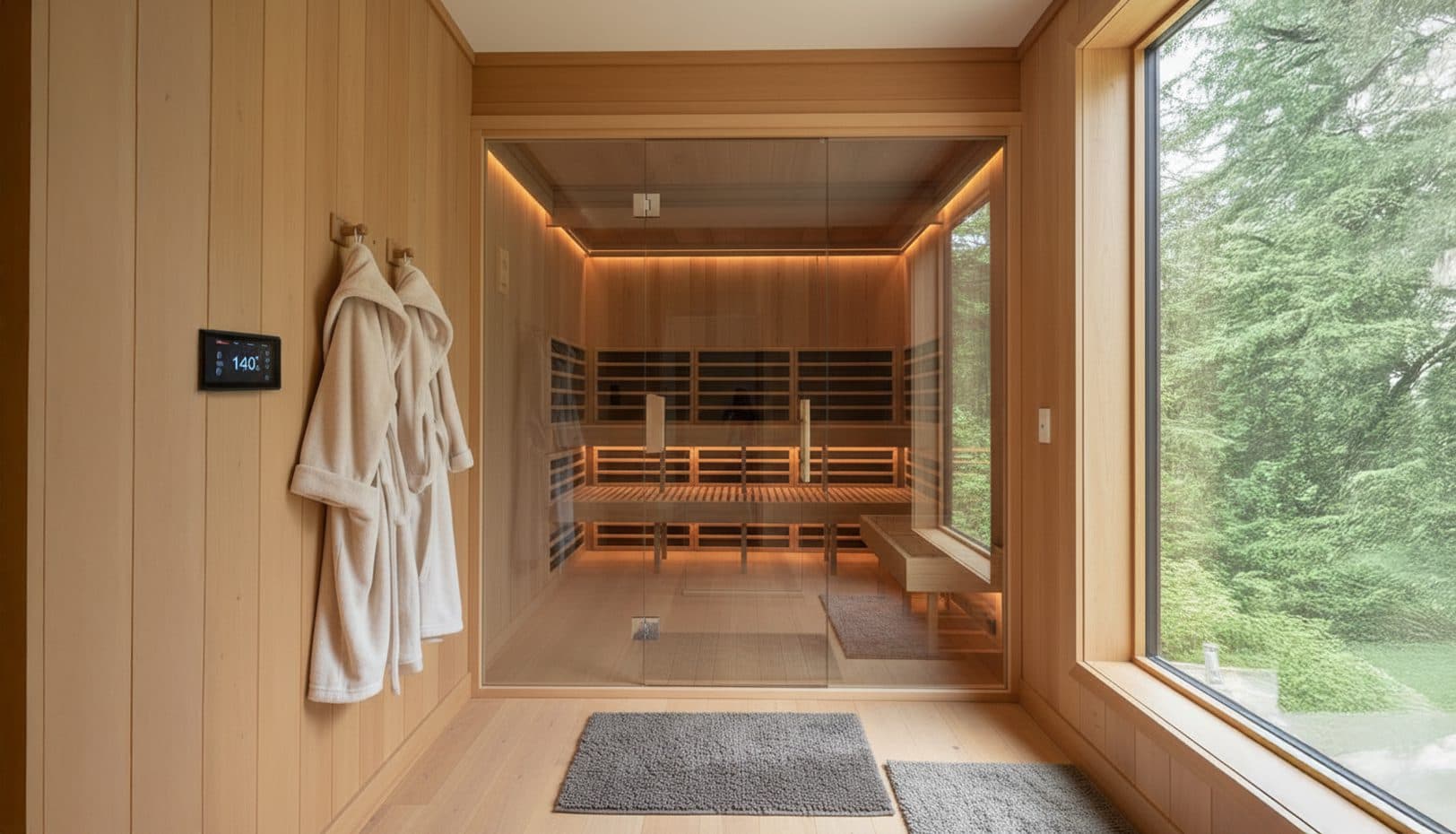
Buying & Comparison Guides
Infrared Sauna vs Traditional Sauna: The Honest Comparison (2026)
Read article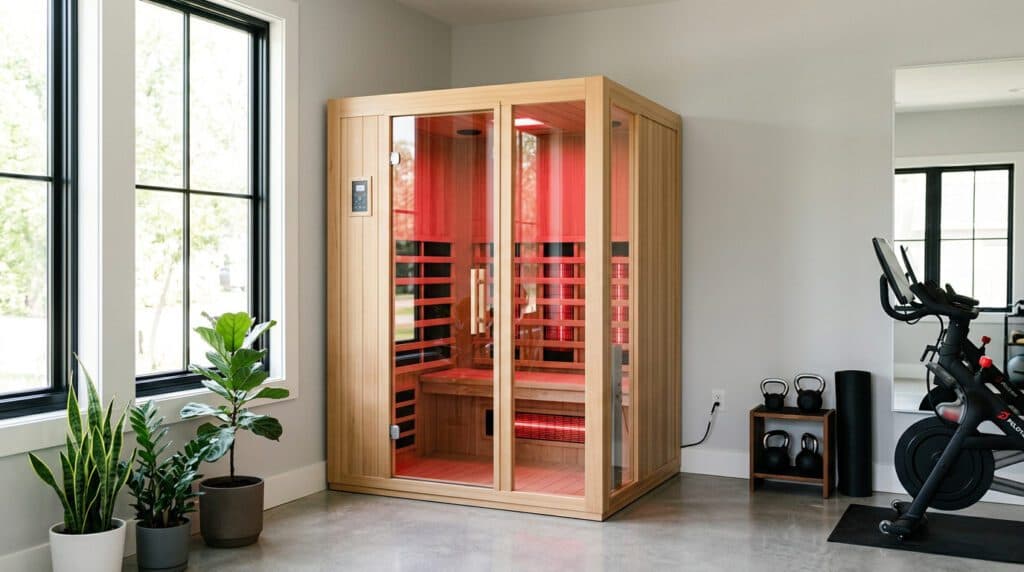
Buying & Comparison Guides
Steam Room vs Infrared Sauna: Humidity, Heat Transfer, and Which One Fits Your Life (2026)
Read articleReady to Design Your Sauna?
Book a free consultation with our founder and get custom 3D renderings for your space.
Custom 3D renderings and a proposal in 24-48 hours.