You’ve heard the buzz. Infrared saunas are everywhere right now, and you’re wondering if starting a red light infrared sauna business could actually make money.
The short answer? Yes, but only if you do it right.
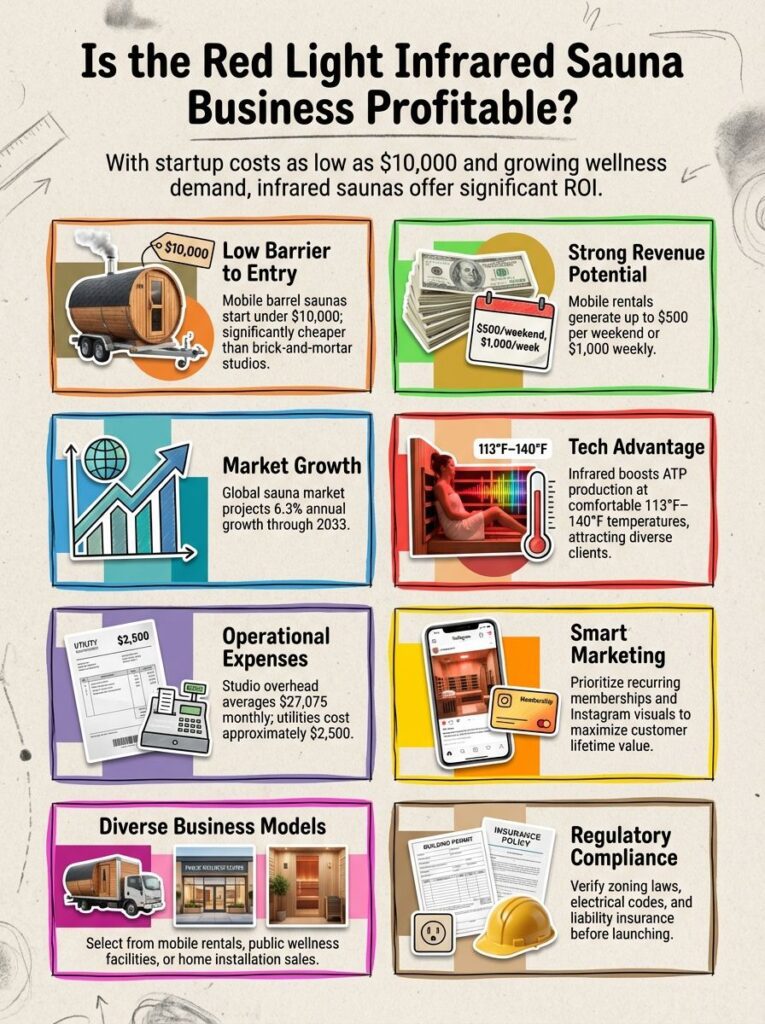
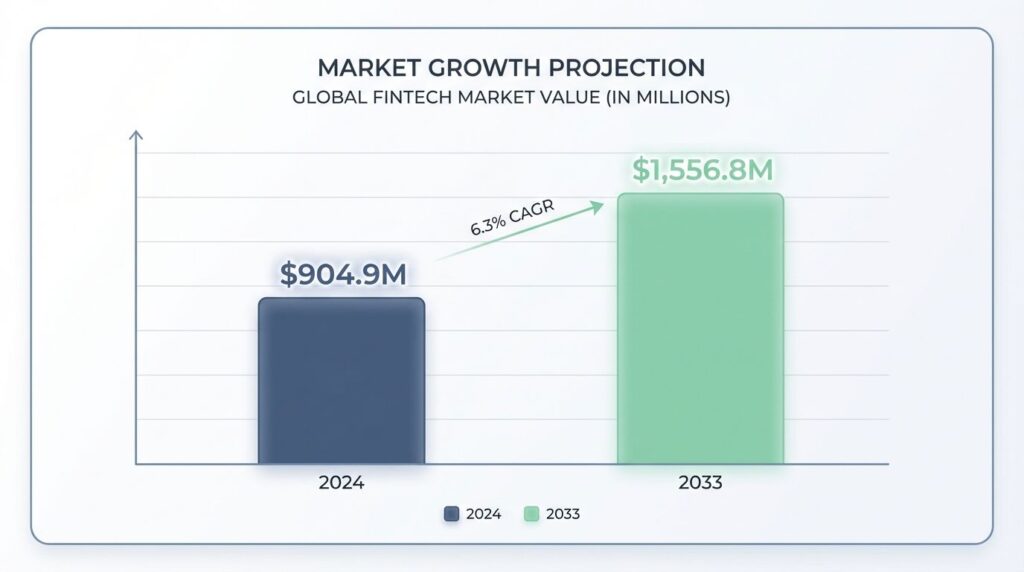
You can launch a mobile barrel sauna on a trailer for less than $10,000. Weekend rentals can bring in up to $500 each time. The global sauna market hit $904.9 million in 2024 and is projected to climb to $1,556.8 million by 2033, according to Grand View Research. Meanwhile, the U.S. infrared sauna market alone is expected to reach $378.70 million by 2030, with a growth rate of 5.42%, per Mordor Intelligence.
In my 12 years running SaunaCloud, I’ve watched countless people get into this industry. Some crush it. Others give up in six months.
The difference? They understood startup costs, nailed their pricing model, and built a real marketing strategy from day one.
Ready to see the real numbers behind a sauna business? Let’s break down the facts you need before you invest a single dollar.
Key Takeaways
- Startup costs for a mobile red light infrared sauna can start under $10,000, with potential gross rental income reaching $500 per weekend.
- The global sauna market reached $904.9 million in 2024 and is forecast to hit $1,556.8 million by 2033 at a CAGR of 6.3%.
- The U.S. infrared sauna market is expected to grow from $290.85 million in 2025 to $378.70 million by 2030, a 5.42% CAGR.
- Ongoing expenses include approximately $27,075 monthly for studios, with each session costing around $7.90 in utilities and supplies.
- Infrared saunas are preferred over traditional models due to lower energy use, easier installation, and increasing demand from wellness-focused consumers.
- Success depends on careful attention to permits, compliance rules, regular equipment maintenance, marketing strategy, and customer experience management.
Overview of the Red Light Infrared Sauna Business
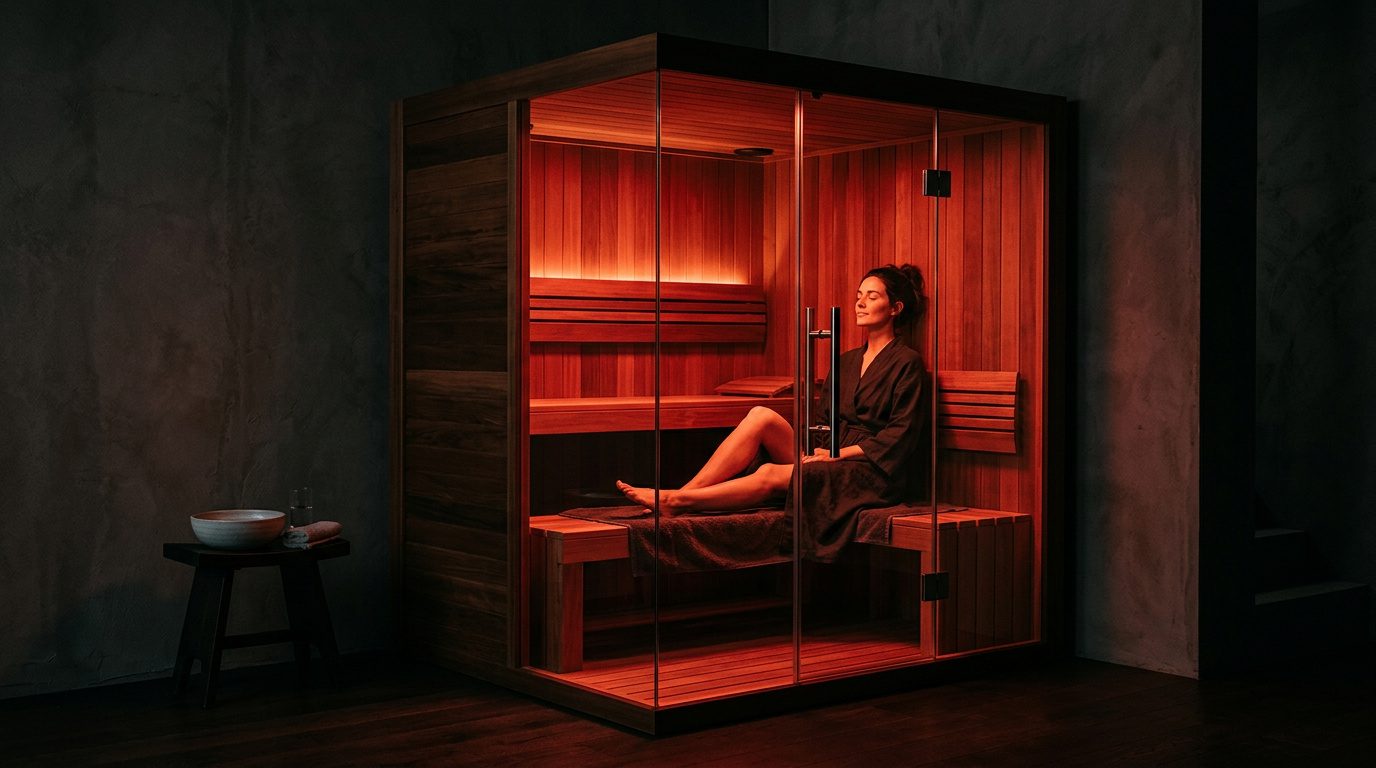
Red light infrared saunas blend special heat panels with targeted LED wavelengths. The setup gives wellness buyers something a regular steam box can’t deliver.
Sauna entrepreneurs love how this technology pairs perfectly with modern demands.
You can offer a relaxing, high-tech experience that needs less complicated ventilation than older models. That means lower install headaches and better customer experience for your target audience.
What is a red light infrared sauna?
A red light infrared sauna combines far-infrared heat with red and near-infrared LED lights.
Far-infrared warms your body’s core, making you sweat deeply and raising your heart rate. This heat may trigger cardiovascular benefits and help release heat shock proteins for recovery.
The extra boost comes from the LEDs. These shine red or near-infrared rays onto your skin, stimulating your cells’ mitochondria to produce more ATP, your body’s main energy source.
That means better cellular function and possibly less inflammation after workouts or long days on your feet. According to Coherent Market Insights, the global infrared saunas market was valued at $1.89 billion in 2025 and is expected to reach $3.58 billion by 2032, growing at a 9.6% CAGR.
Not every sauna hits the mark, though. Design matters a lot here.
SaunaCloud installs medical-grade parts with careful LED placements for strong results across each session. Getting this wrong can limit coverage or drop effectiveness altogether.
Deep radiant heat combined with these targeted lights aims to support fitness centers, athletes, spas offering contrast therapy, and anyone looking for wellness upgrades without much fuss over large HVAC systems or ventilation headaches common to older models.
How does it differ from traditional saunas?
Infrared saunas from SaunaCloud use special heaters that warm your body with red and infrared light.
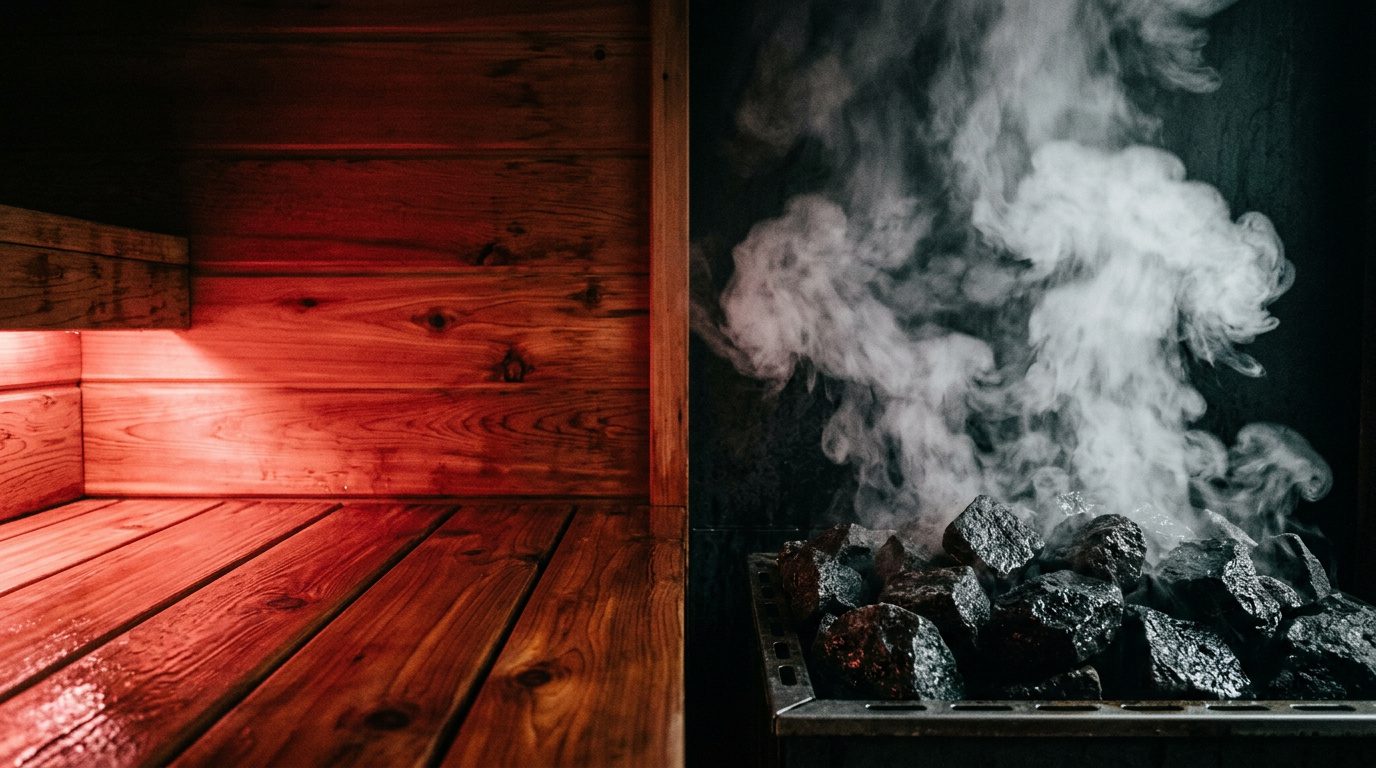
Traditional Finnish models heat using hot rocks, which then raise the air temperature. You notice the difference right away.
In an infrared room, you feel direct warmth at lower settings, usually between 113°F to 140°F. The old-school types get much hotter, think 176°F or more, which can make it tough to breathe for some folks.
I’ve built and installed many units since founding SaunaCloud in San Francisco back in 2014. I see why buyers now favor energy efficiency and faster setup options.
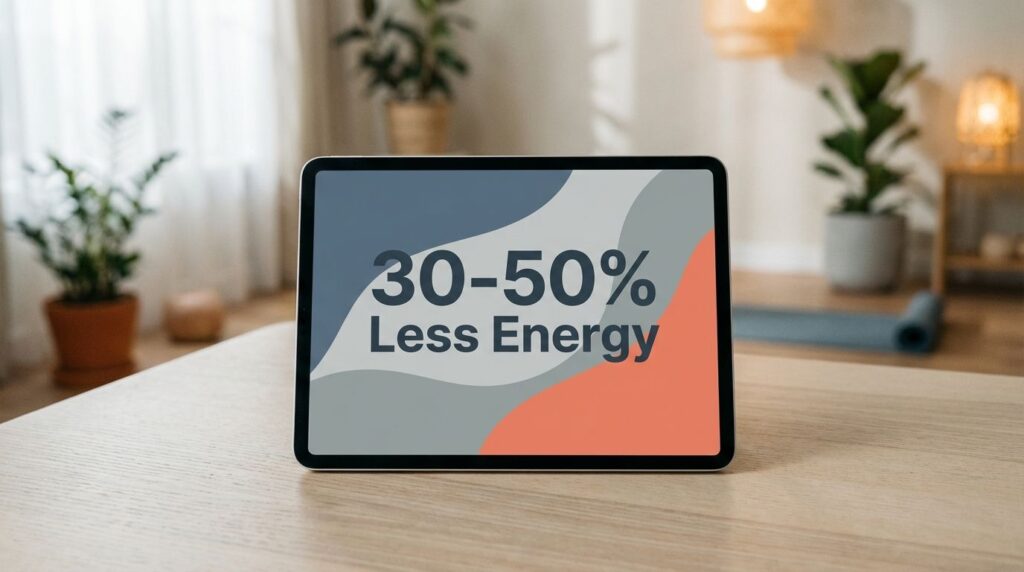
According to Technavio, infrared saunas consume 30 to 50% less energy than traditional saunas, making them a popular choice for energy-conscious consumers in the U.S.
Infrared models work well for homes and fitness centers because they’re easier to install and less expensive than traditional systems. Plus, they come with choices: near, mid, or far wavelengths for different health effects.
It’s a lot easier convincing a client to try one when you mention lower electric bills along with a comfy sweat. Not everyone wants “Finnish extreme.”
Market Potential for Red Light Infrared Saunas
Many folks see the sauna market heating up. More people are chasing better health through red light infrared sessions.
SaunaCloud taps this trend, helping buyers reach wellness seekers right where they sweat.
Why is demand growing in the wellness industry?
People want to feel better, so they look for new ways to relax and recover.
The global wellness economy reached a record $6.8 trillion in 2024, according to the Global Wellness Institute, and is forecast to hit $9.8 trillion by 2029. That’s a 7.6% annual growth rate driven by an aging population, rampant chronic disease, and a market newly focused on prevention.
Stress from work or life pushes folks to try alternatives like infrared saunas, LED therapy, and other self-care options. I’ve noticed in my own experience that friends started asking about SaunaCloud after hearing how much infrared sessions helped me cope with stress.
Consumers value easy non-invasive treatments, especially ones that promise relaxation without drugs or needles.
The sauna market has grown as people seek therapies for aches, stress reduction, and even sleep support. In the U.S., you can see this trend as more customers research home installations or visit public facilities just for a peaceful break in their routine.
As news spreads about benefits, such as muscle recovery or chronic pain relief, interest increases year after year. Comprehensive self-care is no longer a niche. It’s become part of daily life for millions searching for real results beyond quick fixes.
How is the global sauna market expanding?
The global sauna market is picking up steam fast.
In 2024, it hit $904.9 million and is on track to reach $1,556.8 million by 2033 with a steady CAGR of 6.3%, according to Grand View Research. Europe leads the pack, snagging over 36% of worldwide sales this year, but U.S. interest keeps climbing too with a projected growth rate of 5.3%.
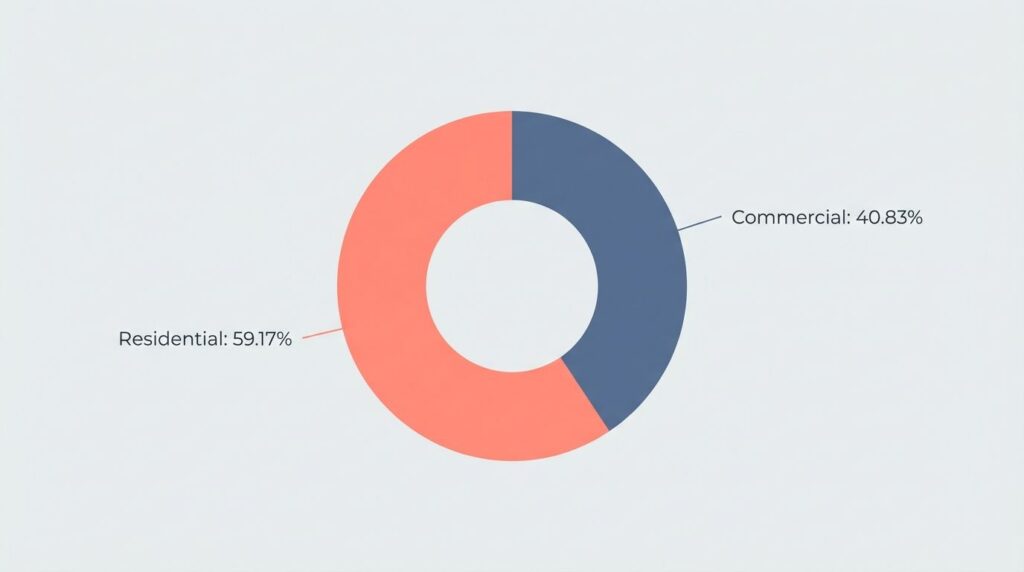
Residential saunas are all the rage now. They make up nearly 60% of this market.
| Segment | Market Share 2024 | Growth Rate |
|---|---|---|
| Residential Saunas | 59.17% | Strong growth |
| Commercial Saunas | 40.83% | 6.9% CAGR (2025-2033) |
| Infrared Saunas | Growing segment | 7.5% CAGR (2025-2033) |
Infrared units, like those offered by SaunaCloud, are outpacing traditional options and should see even faster growth at about 7.5% yearly from 2025 to 2033.
More gyms, hotels, and spas are adding commercial saunas to meet new wellness trends among their target audience. According to Global Growth Insights, U.S. gyms that integrated spa services into premium memberships saw client retention increase by 21% in 2024.
Recent jumps in smart home tech plus moves like Harvia’s acquisition of ThermaSol Steam Bath LLC show that big players aren’t just talking. They’re investing for real expansion across both public facilities and private homes worldwide.
Factors That Determine Profitability
Running a red light infrared sauna business means keeping an eye on every dollar.
Setup, electricians, and regular expenses stack up fast. Get your pricing right, choose smart software, guard your reputation, and ensure rock-solid compliance with building codes to steer clear of trouble and boost profits.
What are the initial startup costs?
Buying a basic mobile barrel sauna on a trailer can cost less than $10,000.
Commercial mobile saunas often range from $20,000 to $30,000 before you even think about permitting or site prep. Setting up a brick-and-mortar sauna facility is much pricier, starting at around $500,000 and sometimes running into millions depending on size and extras.
Public-facing facilities have a tough time being sustainable under the $50,000 mark.
Outfitting an infrared sauna studio means budgeting for each step. Studio build-outs run close to $120,000 with another $75,000 for the first high-quality unit alone. Lease setup costs usually land near $15,000 for rent and deposit while pre-opening payroll can reach over $43,100 for three months of staff paychecks.
According to Financial Models Lab, total CAPEX for a high-end sauna facility can hit $1,460,000 in 2026, with a required working capital buffer of $422,000 to cover initial deficits.
My own experience shows missing just one line item in your funding plan or ignoring hidden expenses like electricians and software can lead to headaches down the road.
If you’re planning anything commercial or want all the details on commercial infrared saunas, it pays off to research every possible expense including building code requirements.
What operational expenses should be expected?
Monthly fixed overhead costs run approximately $27,075 for a red light infrared sauna studio.
Expect to pay around $2,500 of that just on utilities like electricity and water. Marginal costs per session work out to about $7.90, covering things such as power usage, fresh towels, and payment processing fees.
Amenities use 15% of revenue now. Smart sauna branding aims to reduce this closer to 12%.
- Rent and deposit: $15,000 to $18,000 monthly for commercial spaces
- Utilities: $2,500 monthly (electricity, water, HVAC)
- Staff payroll: Budget $43,100 for three months pre-opening
- Digital marketing: $4,000 monthly for campaigns
- Session costs: $7.90 per visit (power, towels, processing fees)
Ongoing expenses extend beyond the basics. Consider gas for heating or backup firewood if needed.
Factor in taxes, landlord discussions over rent increases or lease terms, insurance coverage for accidents, and current scheduling software for a smooth customer experience. Maintenance requires time and money too: cleaning cabins after every use plus regular heater checks keep everything safe and effective for clients interested in wellness benefits with SaunaCloud’s tools available.
Labor costs can be high in public studios since staff must educate guests on both health benefits and safety guidelines before each session. Understanding these numbers helps develop pricing strategies that generate profit as you examine popular revenue streams next.
How do pricing models and revenue streams work?
Red light infrared sauna owners set prices by the day, weekend, or week.
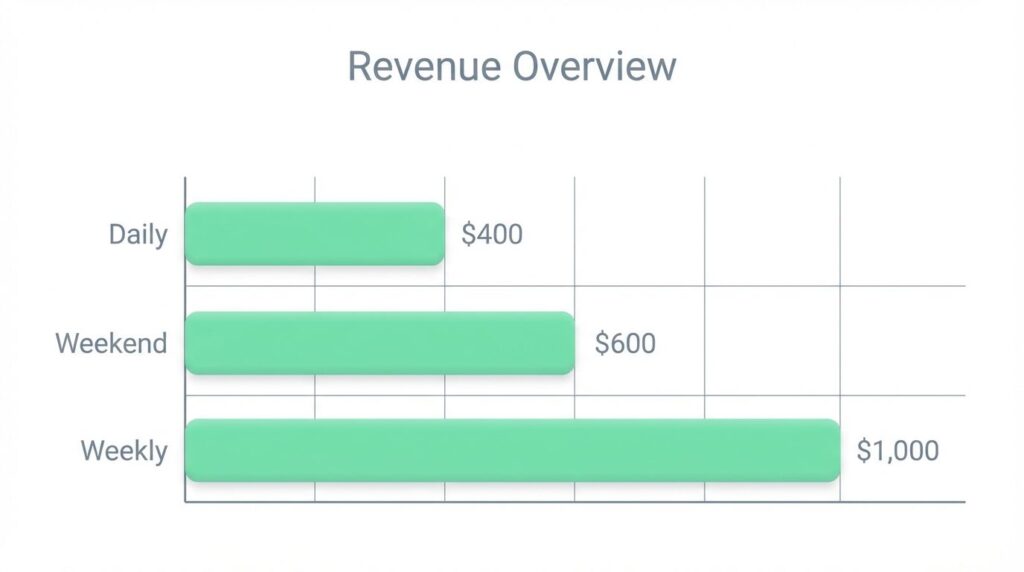
For example, you might see drop-off rentals at $400 per day, $600 for a weekend, or $1,000 for a full week. Renting out a 10-person sauna just 50 weekends each year can bring in $25,000 before subtracting costs.
Public facilities use pay-per-use visits or memberships to collect steady income while making sure more seats are filled.
| Pricing Model | Rate | Annual Potential (50 bookings) |
|---|---|---|
| Daily rental | $400 | $20,000 |
| Weekend rental | $600 | $30,000 |
| Weekly rental | $1,000 | $50,000 |
| Single session (studio) | $54 average in 2026 | Varies by volume |
According to Financial Models Lab, the average revenue per visit in a U.S. sauna studio is $59 in 2026, derived from a $54 session price and $5 in retail sales.
Extra earnings can come from event rentals or partnering with local wellness brands. Many businesses offer special packages and discounts to bring new people in and keep regulars happy throughout their customer experience.
With low maintenance fees and high profit margins from SaunaCloud models, owners who run several units at once find it easier to increase total revenue and cover operational expenses like staff and utilities. Filling every spot as often as possible turns empty benches into real money fast.
Business Models for Red Light Infrared Saunas
Every business path is different.
From fancy public spaces to mobile setups and cozy home options. SaunaCloud has found smart moves in sauna funding that match each customer’s story, making every step count for owners and buyers alike.
What are mobile sauna services?
Mobile sauna services bring the heat right to your driveway or event.
Most folks start for less than $10,000 using a simple barrel sauna on a trailer, skipping big rent bills and high overhead. You can rent these saunas out for about $400 per day, $600 over the weekend, or even $1,000 for an entire week in the United States.
Winter months see peak bookings since everyone is craving warmth. Demand decreases once summer hits.
Many owners use small fleets to boost profit margins because fixed costs stay nearly flat after that first unit. Insurance and liability expenses are similar to those seen in public locations like health spas.
The drop-off model means you leave the sauna at someone’s site instead of supervising its use. Quick setup but often less time explaining SaunaCloud’s features or guiding customers through their experience.
Each extra guest barely bumps up costs, so most money goes directly into your pocket if you keep things booked solid.
How do public sauna facilities operate?
Public sauna facilities often stay put at semi-permanent spots, so regulars and newbies can find them easily.
Many partner with local gyms, breweries, yoga studios, or even set up in city parks to attract more attention and foot traffic. Staff on-site teach guests the basics and help create a comfortable experience, kind of like when I first started running group sessions at SaunaCloud back in 2013.
That personal touch keeps people coming back.
Some setups use effective solutions like Lylykontti in Finland, which runs out of a shipping container using keypad access and electric stoves. This approach reduces staffing needs while still offering real heat therapy benefits.

According to IBISWorld, the U.S. health and wellness spas industry reached $22.9 billion in market size in 2026, with 19,970 businesses operating in this space.
Running these public saunas does mean talking with landlords about rent agreements and staying on top of zoning rules or building codes. Most operators see community-based models bring repeat customers who stick around for special events or classes too. It’s all about becoming part of the local scene during each customer visit.
What should you know about home sauna installations?
Public sauna facilities offer shared, spacious cabins and operate on a set schedule. The scene shifts at home, where privacy and convenience take center stage.
Home sauna ownership in the U.S. is growing by 5% each year, with experts forecasting a CAGR of 6.4% through 2029. Options range from full-spectrum infrared cabins to portable blankets and even sleek red light panels.
Prices vary significantly.
You could purchase a DIY setup for under $500 or invest up to $16,000 for a luxury model built by SaunaCloud. Most home saunas fit two to four people and need less install work than public units do.
Proper electrical wiring matters. Some setups run fine on regular outlets (120V), while larger models demand a bigger power supply (240V).
Consulting with your doctor before using heat therapy keeps things safe and smart during your experience with wellness tech at home.
Marketing Strategies to Maximize Profits
Great marketing strategies, such as Google Ads, social media posts, and clear customer journey steps, can turn curious visitors into loyal fans.
Continue reading for tips that actually fill sauna benches.
How to target wellness enthusiasts effectively?
Offer membership sales front and center, as wellness fans want consistency and value.
Repeat customers give your business steady income. Focus on boosting customer retention instead of always chasing new faces.
Raise average order value by bundling retail products like towels or sweat-resistant water bottles with sauna sessions. Use off-peak pricing to bring in folks who have flexible schedules. It keeps sauna rooms full even during slow hours.
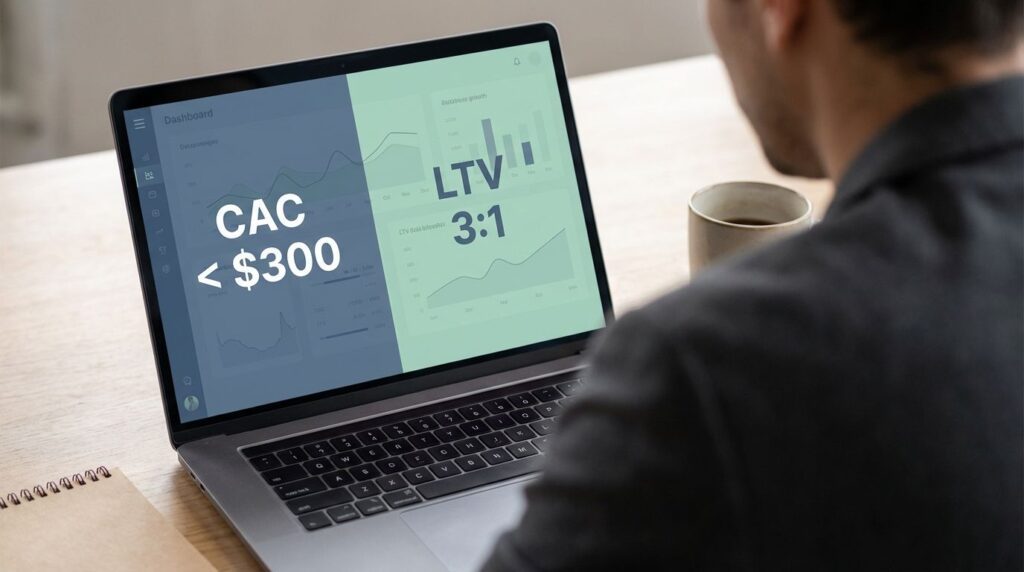
- Keep customer acquisition cost under $300 for sustainable growth
- Target a lifetime value to CAC ratio of at least 3:1
- Highlight recurring memberships from SaunaCloud for stress-free revenue
- Engage buyers throughout their entire customer journey with clear updates
- Use smart follow-ups and simple online booking tools like Calendly
I’ve seen since 2012 that maintaining consistent communication pays off big time. According to Financial Models Lab, achieving 60 average daily visits is critical for the projected $316,000 EBITDA in the first year of a sauna studio.
What social media and local advertising tactics work best?
Instagram and Facebook hold real power for sauna businesses.
Posts packed with wellness tips, short videos of glowing clients, or crisp before-and-after shots grab attention fast. Photos showing red light infrared sessions make your services stand out in busy feeds.
Honest customer reviews, especially video testimonials, build trust as buyers see real people enjoying SaunaCloud.
Working closely with local yoga studios, gyms, or nutrition shops gets the word out fast.
Partnering with a neighborhood wellness influencer brings both energy and followers to your door. Paid ads on Google and Facebook narrow down targets by zip code or interests like fitness or spa lovers. This pulls in serious leads instead of just window shoppers.
Mixing digital marketing buzz with flyers at coffee shops or health fairs keeps your name familiar everywhere buyers go for self-care inspiration.
Challenges in Running a Sauna Business
Running a red light infrared sauna business means you’ll juggle rules, equipment upkeep, and client care.
Stay tuned to see how smart owners tackle these hurdles with tools like digital booking software and regular maintenance checklists.
What regulatory compliance issues exist?
Zoning laws can be a bear for anyone opening a brick-and-mortar sauna, whether in a busy city or quiet suburb.
Cities like Los Angeles and Dallas each have their own rules about where you can set up shop. Meeting building codes is another hurdle. I’ve seen folks need upgraded wiring or special fire alarms before inspectors give that green light.
Nailing health and safety rules means strict cleaning routines, safe temperatures, even emergency exits.
Skip one detail, and the local health department might pay you an unwelcome visit. Getting permits often takes longer than expected, sometimes months instead of weeks.
In my experience with SaunaCloud installations, some owners spent thousands on fees alone before serving the first client. Liability insurance cannot be skipped either. Public and mobile sauna models both face risks if someone gets hurt inside your unit during therapy sessions.
Each city can send its own surprise inspections after you open to check compliance for business licenses and sanitation standards.
If selling in Europe, your heaters must carry that CE mark to meet EU law, or customs officers could block your delivery at the port quicker than you’d think. Some people cut through red tape by leasing space from spas or gyms which already clear their regulatory hurdles, but this usually trades off higher profit margins for ease of use every time.
How to ensure maintenance and client safety?
Red light infrared sauna owners keep clients safe by cleaning every inch of their facilities often.
Heater servicing and equipment checks should happen on a tight schedule, since even one missed check could spell trouble. Staff need strong technical training, as well as customer service skills that put people at ease.
Licensed electricians must handle any electrical upgrades to meet strict safety codes set in 2024.
- Clean locker rooms, showers, and rest spaces daily
- Keep emergency plans ready for use if anything goes sideways
- Ensure good air flow to keep the space comfortable
- Collect client feedback about what works and what feels off
- Address concerns right away to avoid costly legal headaches
SaunaCloud stands out by making health regulations a top rule instead of an afterthought. No corners get cut on locker rooms, showers, or rest spaces. These areas stay clean and fresh.
Clients can give feedback about what works and what feels off. Owners listen up fast to address concerns right away.
Ready to Launch Your Sauna Business?
Running a red light infrared sauna business can be incredible for your wallet—but only if you do the math right.
Startup costs for mobile setups are accessible, and with smart marketing strategies, you can draw steady bookings from a growing base of wellness fans. While public and home installations come with higher overheads, they also offer scalable engagement and consistent revenue.
The most important step is choosing the right equipment to ensure safety, compliance, and client satisfaction. At SaunaCloud, we specialize in high-performance builds designed for business success.
Ready to get started? Give me a call today with any questions about buying a custom red light infrared sauna. Let’s discuss your specific goals and how we can build the perfect setup to maximize your return on investment.
— Christopher Kiggins
People Also Ask
Yes, the US infrared sauna market is projected to reach $275 million in 2025, creating a real opportunity for specialized wellness studios. If you manage your overhead well, you can expect profit margins between 19% and 32% once you are established.
Your largest upfront investments are commercial lease build-outs and purchasing medical-grade sauna units, which typically cost between $6,000 and $10,000 each. You must also budget for initial marketing campaigns to drive foot traffic before you even open your doors.
Most owners achieve a full return on their initial investment within 14 to 24 months.
The most profitable studios use safe, low-EMF technology that encourages clients to return, often boosting retention rates above 60%. Building a recurring membership model is much more sustainable for your cash flow than relying on one-time visits.