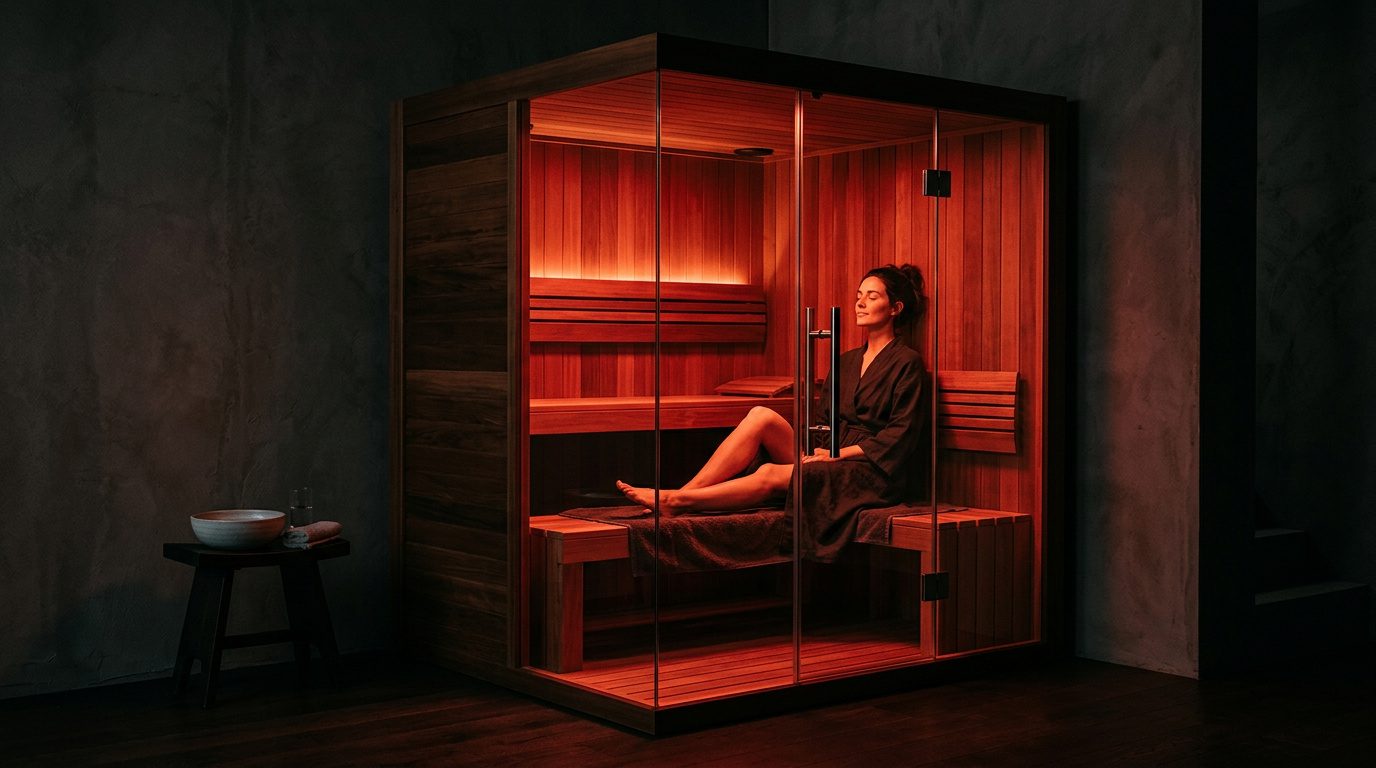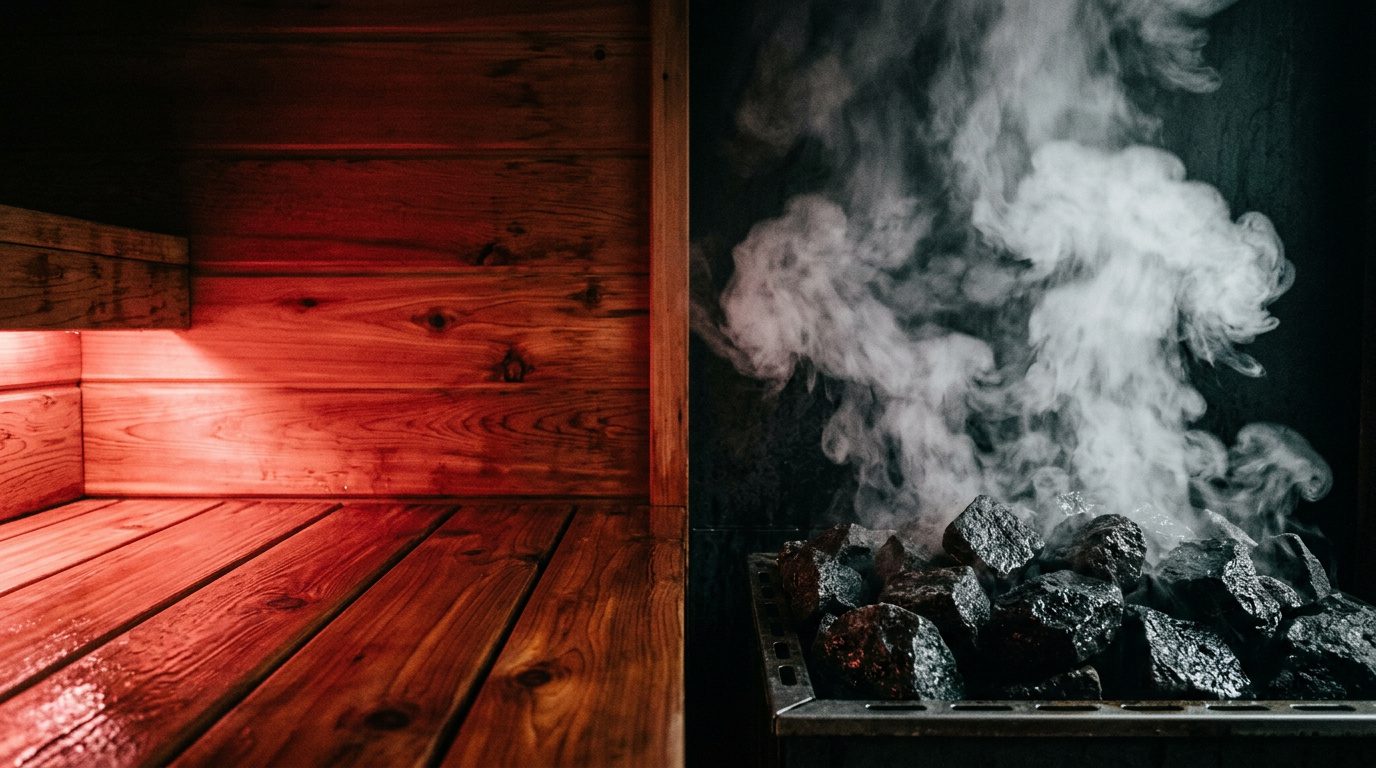
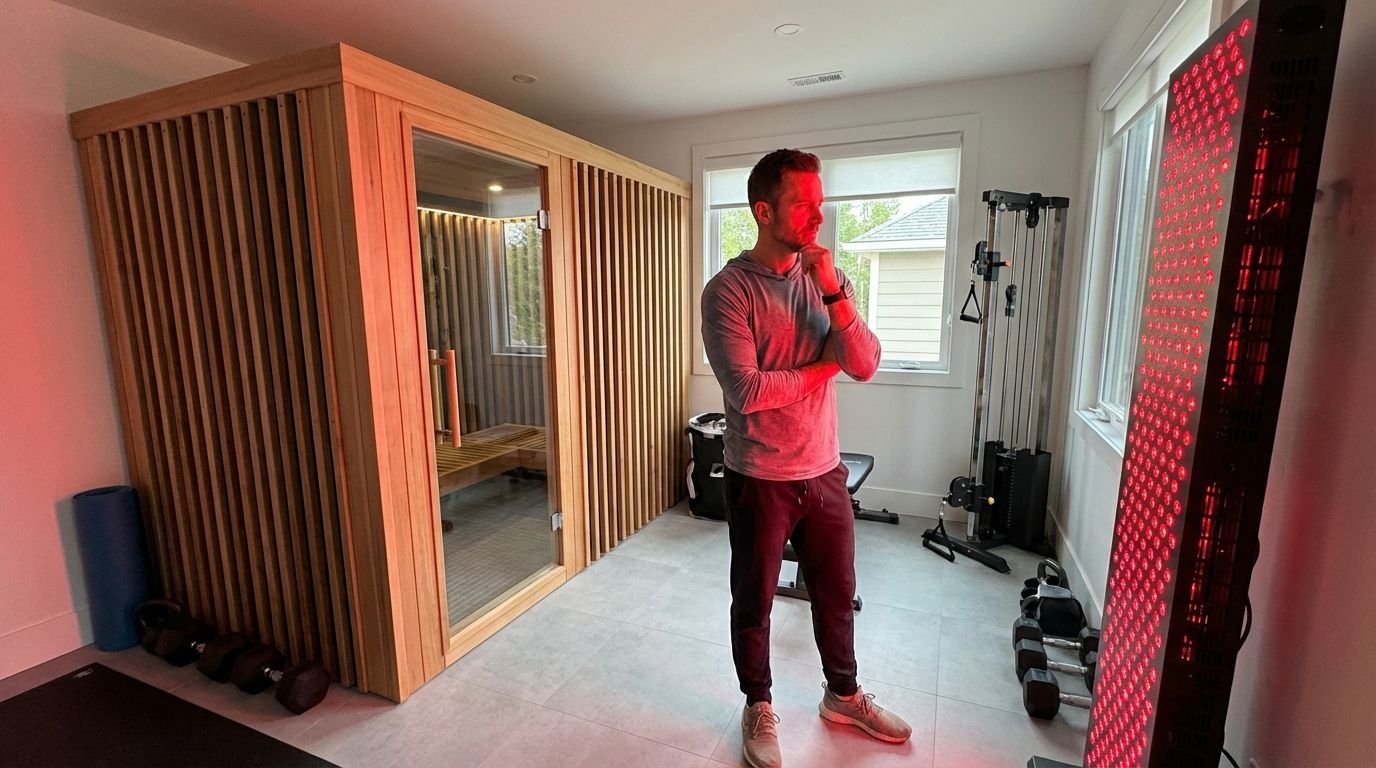
Have you ever wondered if red light therapy and infrared saunas are basically the same thing?
I get that question all the time.
Here’s the truth: they’re not the same at all. Both use forms of light for health benefits, but they work in completely different ways. Infrared saunas raise your core body temperature and make you sweat from deep inside your tissues. Red light therapy uses visible and near-infrared wavelengths to help repair skin cells, without much heat at all.
Knowing which tool fits your needs can save you money and get you better results.
My name’s Christopher Kiggins, CEO and head designer at SaunaCloud since 2014. I’ve spent years helping folks choose between infrared saunas and other types of light therapy for better wellness at home. Want to know what’s really best for skin care or muscle recovery?
Stick around. You might be surprised by what you learn next.
Key Takeaways
- Red light therapy targets skin and tissue with visible and near-infrared wavelengths (620-900 nm) for collagen production, wound healing, reduced inflammation, and pain management.
- Infrared saunas use far infrared light (750-1,000+ nm), heat the whole body to 120°F-150°F, promote detoxification by sweating out toxins like BPA or mercury, and improve circulation.
- Red light therapy uses cool panels for localized treatments without heating air or causing dehydration. Infrared saunas require large space, high energy costs, and professional installation.
- Combining both therapies can enhance muscle recovery, skin rejuvenation, sleep quality, blood flow, mood support, and is available in some advanced SaunaCloud models as of 2024.
- Choose red light therapy for targeted skin health or cellular repair. Choose an infrared sauna if you want full-body relaxation and deep detox benefits.
What Is Red Light Therapy?
Red light therapy uses visible and near-infrared light waves to trigger natural healing in your skin and tissues.
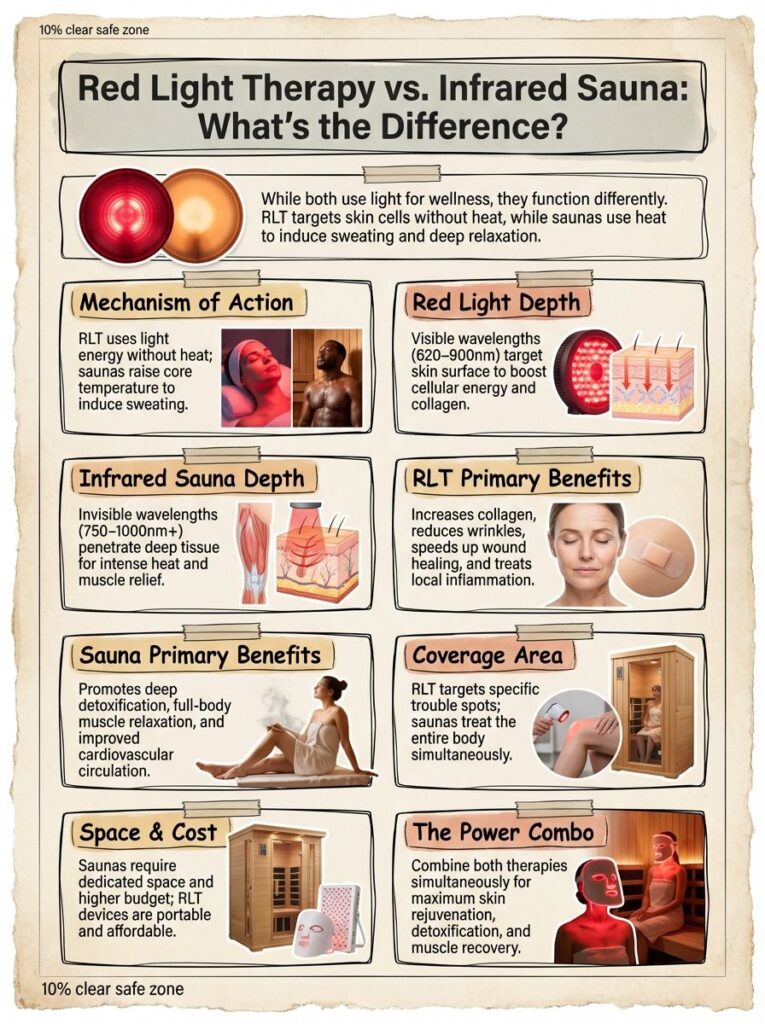
Many athletes, dermatologists, and physical therapists use this therapy for pain relief, wound healing, and better skin rejuvenation. The global red light therapy market is booming. According to a 2025 report, the LED light therapy market is expected to grow at a rate of 11.9% through 2033, driven by consumer demand for non-invasive skin treatments.
How Does Red Light Therapy Work?
Light in the red and near-infrared ranges, right around 620 to 900 nanometers, streams through your skin. These wavelengths deliver a shot of energy straight to your cells.
Think of it like extra fuel for your engine. Cells use this boost to make more ATP, the main power source for most body functions. Extra ATP helps spark faster tissue repair and better skin rejuvenation.
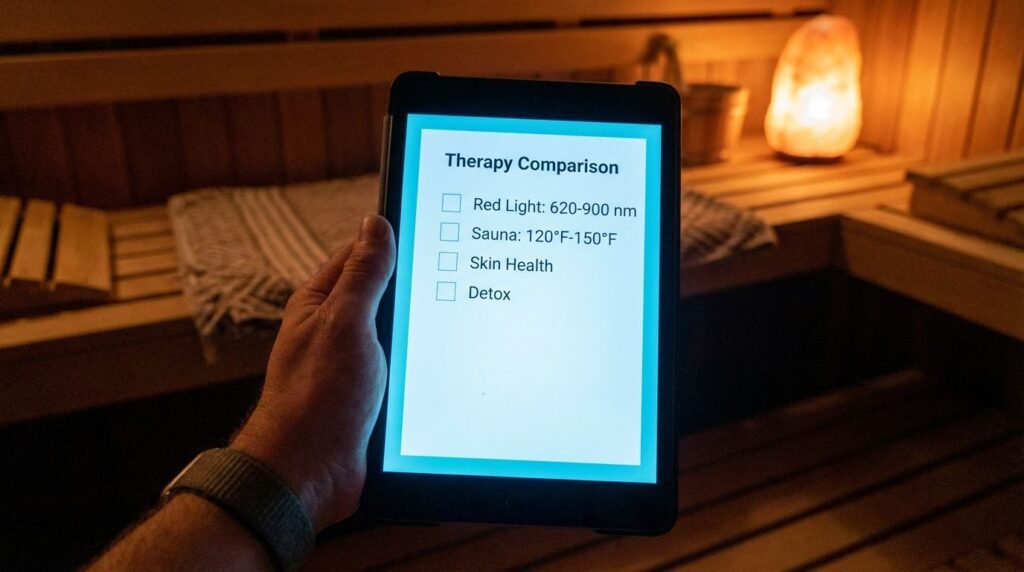
The process turns on collagen production, making skin firmer with better texture over time. A 2019 study in the Journal of the American Academy of Dermatology found that red light therapy can increase collagen expression within just one week of treatment. There’s no burn or steam because this therapy skips heat. Only the treatment area absorbs the light waves.
Many physical therapists and dermatologists use it for wound healing or inflammation reduction as part of pain management plans. Patch testing is smart if you have sensitive skin since mild irritation can occur after overuse.
What Are the Common Uses and Benefits of Red Light Therapy?
After learning how red light therapy works, most folks want to know what it actually does for their body.
Skin rejuvenation tops the list. Red and near-infrared wavelengths boost collagen production in the dermis. Wrinkles shrink, fine lines smooth out, scars fade, acne calms down, and sun damage slowly vanishes over weeks of use. In my own experience with clients at SaunaCloud since 2014, people see fewer breakouts and softer hyperpigmentation after just a few sessions.
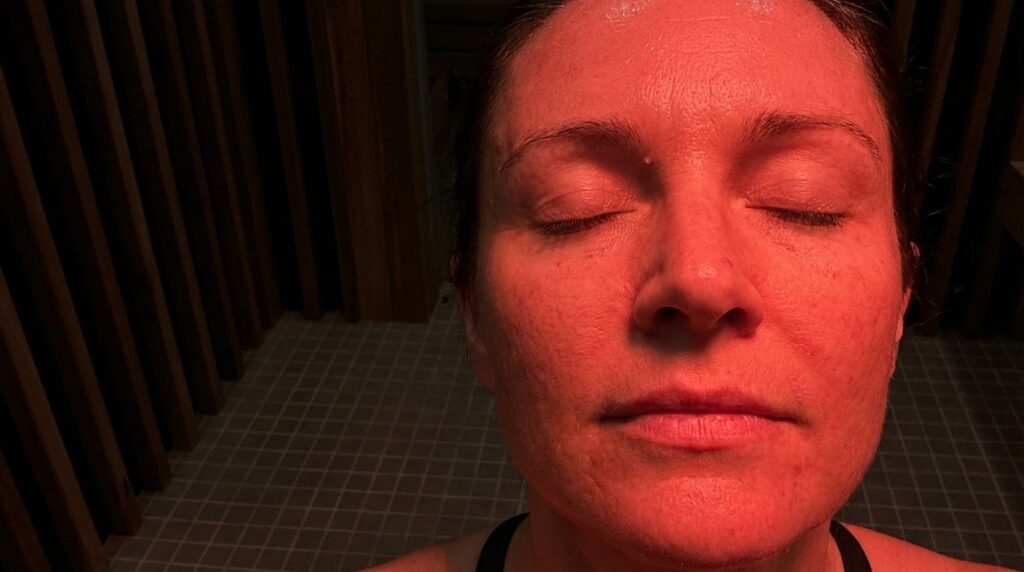
According to research published in 2021, red light therapy can increase collagen and elastin production in human skin within one week, supporting visible anti-aging benefits.
Doctors often suggest red light therapy for wound healing and tissue repair too. Think burns, ulcers from diabetes or pressure sores, surgical incisions, even annoying scarring you wish would go away. This is because blood circulation gets better as vessels relax. Oxygen and nutrients reach damaged tissues faster so inflammation drops down a notch or two.
Athletes swear by these treatments after tough exercise routines to speed up muscle recovery and ease soreness all over. Chronic pain isn’t ignored either. Research shows relief for joint issues like rheumatoid arthritis or osteoarthritis thanks to reduced swelling around those aching spots.
Some studies even link this therapy to lower cortisol levels which leads straight into better sleep quality and mood support. A true life-changer if you deal with seasonal affective disorder (SAD), depression symptoms, or wild sleep patterns during stressful months.
Plus, there are folks who credit low-level light therapy for thicker hair on thinning patches due to androgenetic alopecia by waking up sleepy follicles right at home without harsh meds or risky procedures. If you’re deep into your skincare routine or searching for ways to support sore muscles post-workout, this alternative treatment works quietly behind the scenes using calibrated devices like panels found in many public gyms today.
What Is an Infrared Sauna?
An infrared sauna uses special heaters that emit far infrared light, which warms your body without heating the air much.
You sit and relax as this gentle heat boosts blood flow, helps with muscle soreness, and encourages sweat for detoxification. Like a deep, comforting hug from science.
The U.S. infrared sauna market is expected to reach $290.85 million in 2025 and grow at a rate of 5.42% through 2030, according to a 2025 industry report. That growth shows more Americans are choosing infrared therapy for home wellness.
How Does an Infrared Sauna Work?
Inside an infrared sauna, far infrared or full-spectrum light heats your body directly.
These light waves reach deep, hitting about 750 to over 1000 nanometers. This direct heat makes you sweat at much lower air temperatures than a standard dry sauna, around 120°F to 150°F. As your blood vessels expand from the warmth, circulation increases and toxins leave through heavy sweating. Think metals and chemicals like mercury or lead.
You step into a cabin made for sweating it out. Some are portable units while others are more permanent fixtures. The heaters use more energy compared to red light devices because they have to warm up the whole room along with your body.
Care is needed if you have high blood pressure, heart problems, heat intolerance, or if you’re expecting. Doctors always come first in those cases.
What Are the Main Health Benefits of Infrared Saunas?
After understanding how an infrared sauna works, it’s time to see the real perks for your health.
Detoxification sits at the top of the list. Your body sweats out toxins, which is great if you live in a city or work near chemicals. A 2018 systematic review in Clinical Effects of Regular Dry Sauna Bathing noted that toxic chemicals like BPA and phthalates may be excreted via induced sweating at rates that exceed urinary excretion. Muscle recovery feels easier too. Heat soothes aches and helps with muscle soreness after hard workouts or long days.
Stress relief isn’t just talk. Using an infrared sauna releases endorphins that boost mood and make sleep come easier.
Here are the key health benefits you can expect:

- Detoxification: Sweating removes heavy metals like mercury, lead, and cadmium from your body.
- Cardiovascular health: Improved blood circulation can increase by up to 20 percent according to research from 2016.
- Pain management: People dealing with autoimmune conditions like arthritis notice less joint pain. Chronic discomfort can drop by about 25 percent over eight weeks.
- Skin health: Sweating clears pores, reduces inflammation, and may give you that healthy glow everyone wants.
Key Differences Between Red Light Therapy and Infrared Sauna
Red light therapy and an infrared sauna come from different parts of the light spectrum, so they feel very different on your body.
Some folks want targeted skin rejuvenation, while others crave full-body muscle relaxation and improved blood circulation. You get to pick what fits you best.
How Do Heat Levels and Temperatures Differ?
Infrared saunas, like the ones I first tried in 2012, heat your whole body using infrared heating elements.
The temperature inside can reach between 120°F and 150°F. That’s hot enough to get you sweating within minutes. You need to drink water before, during, and after a sauna session because this kind of heat leads to deep sweating and possible dehydration.
Light therapies that use visible red wavelengths work differently. They use cool LED panels or fiber-optic devices at room temperature. No heated air involved at all.
There’s no risk of overheating or losing fluids with these systems. You could do a full session without breaking a sweat or needing extra hydration. This makes sessions safer for folks sensitive to high temperatures or those dealing with chronic inflammation or joint pain who want the benefits of skin rejuvenation without added heat stress.
What Are the Differences in Light Wavelengths and Penetration?
Red light therapy uses visible red and near-infrared wavelengths, around 620 to 900 nanometers.
This range targets the skin’s surface and just below. It helps with issues like collagen production, wound healing, and mild inflammation reduction. My own clients at SaunaCloud often see better skin tone and less redness with these sessions.
Sauna therapy works differently. Full-spectrum infrared saunas send out far infrared light above 750 up to over 1,000 nanometers. These longer waves reach deeper muscle tissue and joints for greater heat therapy. That is why you can feel an intense sweat or deep relaxation during a session. Musculoskeletal pain melts away as circulation improves throughout your whole body from a single treatment space.
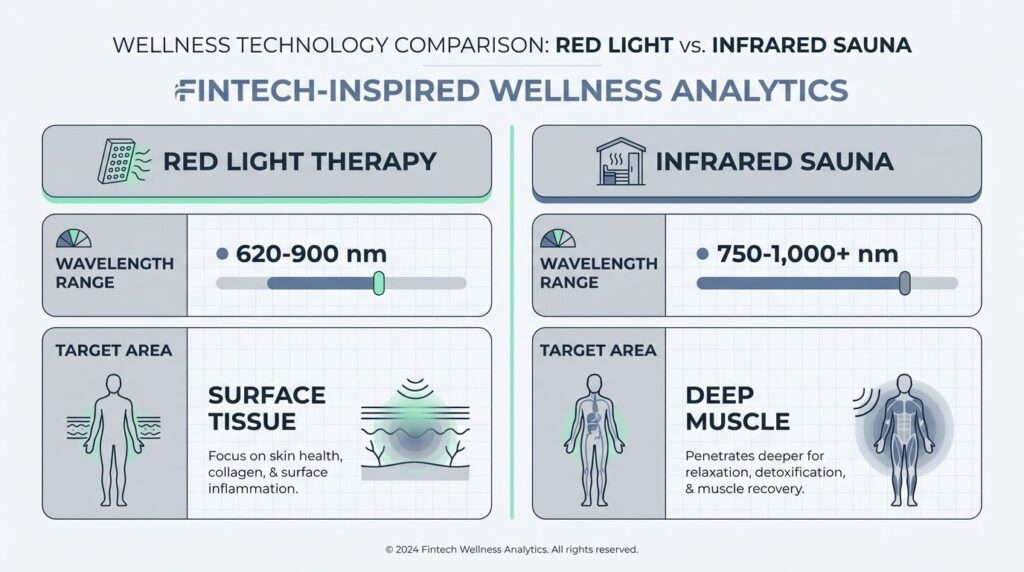
| Feature | Red Light Therapy | Infrared Sauna |
|---|---|---|
| Wavelength Range | 620-900 nm | 750-1,000+ nm |
| Penetration Depth | Skin surface and shallow tissue | Deep muscle and joint tissue |
| Primary Benefit | Collagen, wound healing, skin health | Full-body detox, muscle relaxation |
How Do Treatment Areas Compare: Targeted vs. Whole Body?
Infrared saunas like those at SaunaCloud treat your whole body at once.
Step inside, and every inch of your skin, muscles, and tissue gets exposed to infrared heat. This blanket of warmth helps with muscle recovery, blood circulation, stress reduction, cardiovascular health. Basically the works, all in one session. You break a sweat from head to toe.
With light therapy devices such as panels or handheld units, you target small spots like sore elbows or aging skin on your face. These tools focus visible wavelengths directly onto the area needing care. Maybe for tendonitis or wound healing, without heating up the rest of your body.
Full-body red light beds do exist but are rare compared to regular panels. Most people use them only for sports medicine clinics or dermatology centers aiming for deep tissue repair across larger areas.
Benefits of Red Light Therapy
Plenty of people use red light therapy to support skin health and muscle recovery at home, in gyms, or even with wearable technology.
If you enjoy science-backed tools for inflammation reduction and wound healing, this topic might just grab your attention.
How Does Red Light Therapy Improve Skin and Fight Aging?
Red light therapy increases collagen production in your skin, which helps keep it firm and smooth.
More collagen means fewer wrinkles and fine lines, so you look younger and fresher. I have seen plenty of customers at SaunaCloud use infrared therapy for this reason alone. Red light also improves skin elasticity, making sagging less noticeable over time.
This kind of therapy works on scars, acne spots, hyperpigmentation issues, even sun damage from those long pool days back in 2007. The sunscreen barely helped me! You get a better overall tone and texture with regular sessions.
Many people add red light to their wellness routines because it tackles aging signs without chemicals or harsh treatments.
Can Red Light Therapy Help With Cellular Repair and Inflammation?
Cells need energy to heal and perform well.
With red light therapy, your cells get a boost in adenosine triphosphate (ATP), which helps them repair faster. Studies show that applying specific wavelengths of visible light can support tissue repair and reduce systemic inflammation. Professional athletes and physical therapists use this method to cut down on muscle soreness and speed up rehabilitation after injuries or tough workouts.
Light spectrums used in SaunaCloud systems improve blood circulation, so more oxygen and nutrients flow straight to damaged tissue. Users have noticed less swelling after sessions, along with quicker skin recovery from wounds or joint pain flares.

Does Red Light Therapy Enhance Wound Healing?
Red light therapy speeds up wound healing.
It kicks circulation into high gear, delivering more oxygen and nutrients to spots that need repair. Clinical studies show it works for tough wounds like burns, ulcers, or after surgery. Use it on fresh cuts or scrapes to help skin close faster and smoother.
Regular treatments lower the risk of ugly scars by helping new tissue form the right way. Athletes, nurses, and even folks recovering at home notice a difference with red light devices from SaunaCloud. Infrared wavelengths reach deeper layers than normal lamps ever could.
Benefits of Infrared Sauna
An infrared sauna works like a gentle oven for your body, boosting blood circulation, easing muscle soreness, and making you sweat out stress.
Curious about which other health perks might surprise you? Keep reading.
How Does Infrared Sauna Promote Detoxification and Sweating?
Infrared sauna therapy uses gentle infrared wavelengths to warm your body directly, not just the air around you.
This deep heat triggers sweating like a summer run. Sweat pours from your pores, carrying heavy metals and chemicals with it. Studies show people exposed to pollution or toxins may see real drops in toxin levels after regular sauna sessions.
In fact, researchers noted lower levels of chemicals such as BPA and mercury in sweat collected during infrared use. A 2023 study found that concentrations of toxic elements in sweat were dramatically higher than in urine. Mercury was 34.8 times higher, arsenic 18 times higher, and lead up to 496.6 times higher in sweat compared to other methods.
Deep sweating also jumpstarts metabolism. Many users report burning more calories per session than with traditional hot-air saunas.
If you’re searching for natural detoxification or weight loss support, this approach works without high heat stress on the heart or lungs.
What Cardiovascular and Circulatory Benefits Does Infrared Sauna Offer?
Stepping into an infrared sauna gives your blood circulation a real boost.
Sauna therapy heats the body, which widens blood vessels and smooths out blood flow. This process helps lower blood pressure and supports better cardiovascular health for adults of all ages. Nitric oxide production rises, too, allowing arteries to relax and carry more oxygen-rich blood to your heart and muscles.
Many users report less fatigue after consistent sessions, while some doctors notice improved exercise tolerance in patients with vascular issues.
Regular trips to a SaunaCloud unit can help manage oxidative stress, leading to happier arteries and veins over time. Enhanced endothelial function means your body delivers nutrients faster during recovery from muscle soreness or physical therapy workouts. Leaving you feeling revived instead of worn out as you step back into daily life.
How Does Infrared Sauna Aid in Deep Muscle Relaxation?
Circulation and muscle health go hand in hand, so it makes sense to look at deep relaxation right after the heart’s benefits.
Infrared saunas use heaters that release invisible light waves you can feel as warmth on your skin. These infrared wavelengths travel deeper than the heat from traditional steam rooms or public pools, reaching muscles, nerves, and blood vessels below the surface.
After a long shift building custom sauna cabins for SaunaCloud clients, my back gets tight as a drum. Sitting in an infrared sauna for twenty minutes feels like flipping off a switch on stress knots.
The deep heat tells your blood vessels to expand. That boosts oxygen flow into sore spots and helps flush out lactic acid. The stuff that leaves muscles stiff after exertion. People often report less muscle soreness and better flexibility within only a few sessions.
This therapy can also lower cortisol levels. A big win for mental health along with physical comfort. Making each session feel like both spa day and targeted muscle recovery rolled into one.
Can Red Light Therapy and Infrared Sauna Be Combined?
Adding red light therapy to an infrared sauna can offer a big boost for muscle recovery, skin rejuvenation, and overall wellness.
Sweat it out in the heat, while targeted red wavelengths help with tissue repair and inflammation reduction. Some high-end models already feature this combo for home use, so you get both detoxification from sauna therapy and localized benefits like collagen production or wound healing at once.
If you want details on how top brands mix these options safely, check out SaunaCloud’s full guide on choosing an infrared sauna with red light therapy. Both therapies together support stress reduction, better sleep patterns, improved blood circulation, faster post-workout recovery. Even hair growth gets a leg up.
Practical Considerations for Choosing Between Them
Most folks weigh things like space, cost, and how easy it is to use tech such as sauna therapy or red light therapy in their homes.
Need more help picking between these skin health powerhouses? Keep reading. I’ve got plenty more muscle relaxation tips up my sleeve.

What Are the Cost and Accessibility Factors?
Infrared saunas hit wallets harder, running from about $1,500 up to $10,000 at SaunaCloud.
They need a big spot in your home and usually call for professional installation. My own sauna took two movers, a full Saturday afternoon, and plenty of pizza motivation just to fit in the garage. Those bigger setups add higher monthly energy bills too. Especially if you use them for muscle recovery or stress reduction several times a week.
Red light therapy devices are much more portable, easier on your budget, and start around just a few hundred bucks.
Even the top-end panels land near $5,000 but can sit on any shelf or travel with you to work or vacation. You don’t need extra wiring or even much space. Some panels hang behind doors like coat racks.
For targeted benefits like skin rejuvenation or wound healing without major home projects or steep power bills, red light therapy often makes sense as an entry point into wellness tech.
What Installation and Space Requirements Should Be Considered?
Infrared sauna units, like those built by SaunaCloud, demand a dedicated space.
Most models take up at least a 4×4 foot area and need a ceiling over 7 feet high. A full-body sauna calls for more than extra floor plans. It also might require pro installation since many run on a special 240V electrical circuit. These units are bulkier than red light therapy panels and much less portable.
Red light therapy panels slide right onto your wall or door, barely eating into living space.
Plug them into any standard outlet, no electrician needed. Top-tier saunas sometimes add built-in red light systems for folks craving both muscle recovery and skin rejuvenation in one stop.
Which Therapy Belongs in Your Home?
Red light therapy and infrared saunas are not the same—they are distinct tools that solve different problems.
Think of red light as a targeted specialist for skin rejuvenation and cellular energy, while an infrared sauna is a powerhouse for full-body detoxification and deep muscle relaxation.
Your choice ultimately rests on your personal wellness goals, your available space, and how you want to feel after each session. However, you don’t always have to choose just one. At SaunaCloud, we often design solutions that bring the best of both worlds into your home.
Still not sure which setup is right for you? Give me a call today with any questions about buying a custom red light infrared sauna. Let’s chat about your health goals and design a wellness sanctuary that fits your life perfectly.
— Christopher Kiggins
People Also Ask
No, they are fundamentally different technologies. Red light therapy uses specific wavelengths of light to boost energy within your cells, while infrared saunas rely on infrared wavelengths to create heat exposure that warms you from the inside out. I often explain to SaunaCloud clients that one feeds your cells light while the other offers a deep, detoxifying sweat.
Infrared sauna therapy is my top recommendation for soreness because the heat penetrates deep to boost blood circulation and force muscle relaxation. Red light therapy is also effective, but it works by targeting tissue repair and inflammation reduction at the cellular level.
Red light therapy is the clear choice here because it directly stimulates collagen production to improve skin health and accelerate wound healing.
Both are excellent tools for stress management. Infrared saunas promote relaxation by lowering cortisol levels and resetting your circadian rhythm for better rest. Red light therapy is also great for mood enhancement and can help manage seasonal affective disorder.
Infrared saunas often provide the most relief for chronic pain and joint pain by increasing blood flow to stiff areas. Red light therapy complements this by addressing localized inflammation and supporting immune functions.
Yes, combining these treatments offers comprehensive holistic wellness benefits. You can enjoy the skin benefits of red light therapy alongside the cardiovascular health perks of a sauna, and neither involves harmful ultraviolet (UV) light.