Do you find yourself worrying about high blood pressure or constantly feeling tired?
You’re not the only one facing these challenges.
Before we dive in, a quick disclaimer: I am not a doctor, nor do I play one on the internet. While I’m passionate about the science of wellness, this isn’t medical advice. Always check with your actual physician before starting a new health routine.
Here’s something that might interest you: studies show that using a red light infrared sauna for cardiovascular health can boost blood flow and support your heart naturally.
I founded SaunaCloud back in 2014 because I experienced these benefits firsthand. This guide walks you through how heat therapy, light therapy, and our safe technology can ease symptoms and help lower cardiovascular risk factors. Stick around to see if red light infrared saunas might be the missing piece in your healthy lifestyle.
How Red Light Infrared Saunas Benefit the Cardiovascular System
Think of your heart as a muscle that needs regular workouts to stay strong.
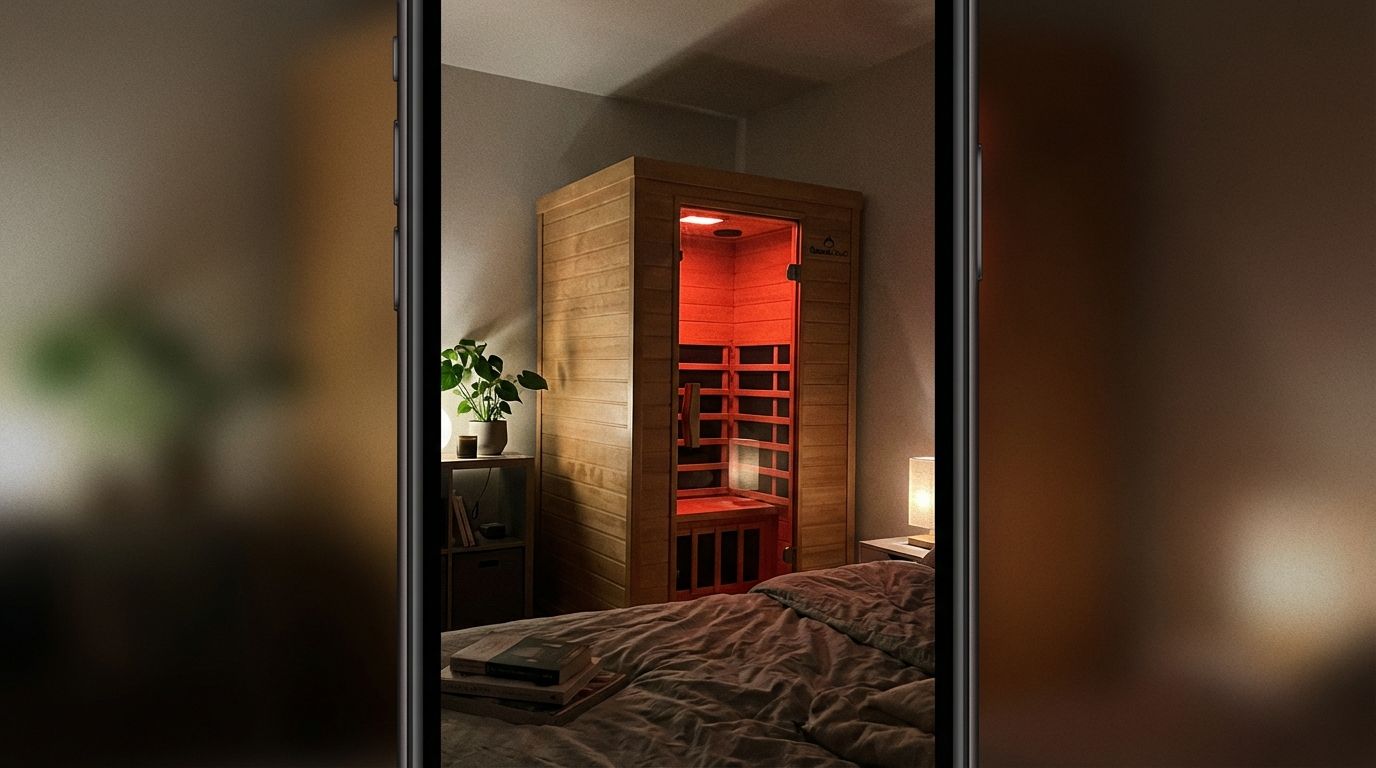
Red light and infrared heaters in saunas work together to warm your body from the inside out, raising your core temperature gently. This steady heat exposure can give your heart a workout, much like a brisk walk or some easy physical activity, helping support cardiovascular health in the process.
How do red light and infrared heat work in saunas?
Infrared saunas use special heaters that give off electromagnetic radiation, which your skin and tissue soak up.
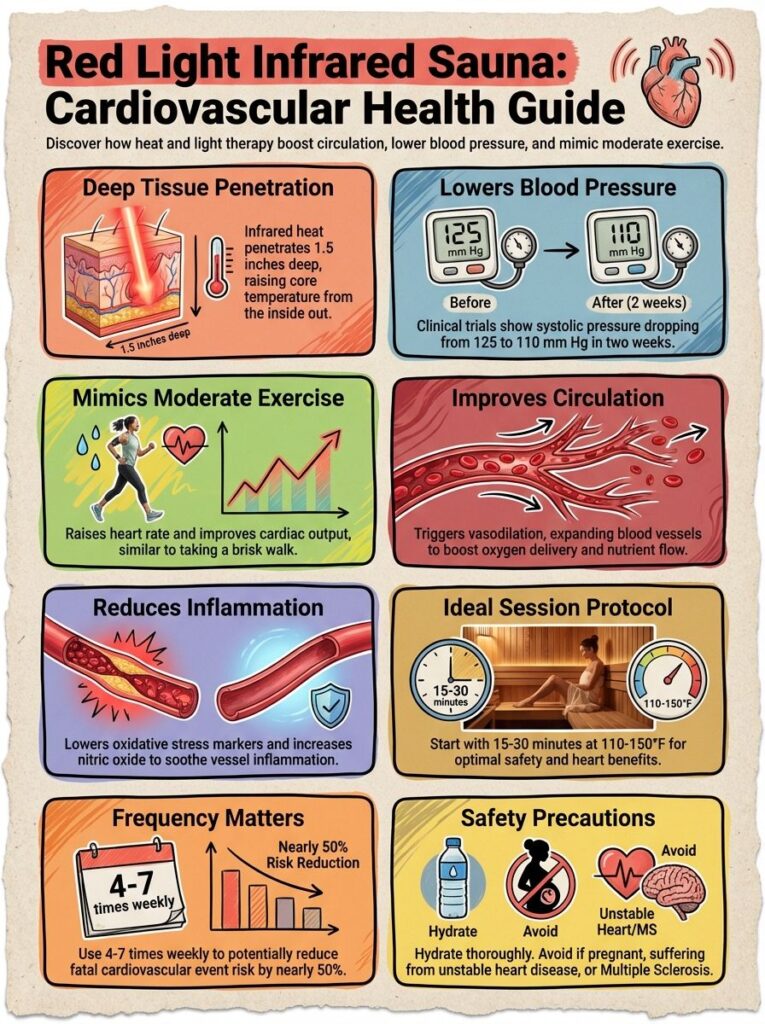
This heat can dive as deep as 1.5 inches into the body. Far-infrared rays go even deeper, reaching 2 to 3 centimeters beneath the skin’s surface for true heat therapy that raises core body temperature.
Light-emitting diodes (LEDs) produce specific red wavelengths at 660nm and near-infrared light at 850nm in SaunaCloud benches. These need to be close, about 6 inches from your skin, for maximum effect on blood vessels and tissue repair.
According to a 2025 study published in Frontiers in Cardiovascular Medicine, infrared heaters operate at lower temperatures than traditional saunas, between 45°C to 65.5°C (113°F to 149°F). By using direct body heating and targeted light exposure, these systems boost blood flow without causing burns or discomfort you might get with traditional sauna bathing.
What effects do these saunas have on the cardiovascular system?
Far-infrared sauna therapy triggers vasodilatation by gently dilating blood vessels.
This process increases heart rate, boosts cardiac output, and kickstarts sweating. It feels almost like moderate exercise for the body; your pulse quickens as if you just briskly walked around the block.
Clinical studies back this up. Four trials focusing on congestive heart failure patients showed better exercise tolerance, improved NYHA class status, and higher left ventricular ejection fraction after far-infrared sessions with SaunaCloud units.
Patients also saw lower brain natriuretic peptide levels and fewer premature ventricular contractions after only 10 sessions over two weeks. A 2016 systematic review showed urine tests often reveal a drop in oxidative stress markers linked to cardiovascular disease risk factors like high cholesterol and chronic inflammation.
People dealing with fatigue reported real improvements too. This isn’t just hype but measurable change for heart health seekers aiming to tackle cardiovascular disorders or manage risk factors for heart attacks or strokes through heat therapy.
Key Cardiovascular Benefits of Red Light Infrared Saunas
Your heart works hard every single day, pumping blood to every corner of your body.
Red light infrared saunas act as your heart’s secret weapon for better health and stress reduction. Curious how sitting in gentle heat can impact blood pressure, muscle recovery, and even sleep quality?
Can red light infrared saunas reduce blood pressure?
Clinical trials show promising results for lowering blood pressure with red light infrared saunas.

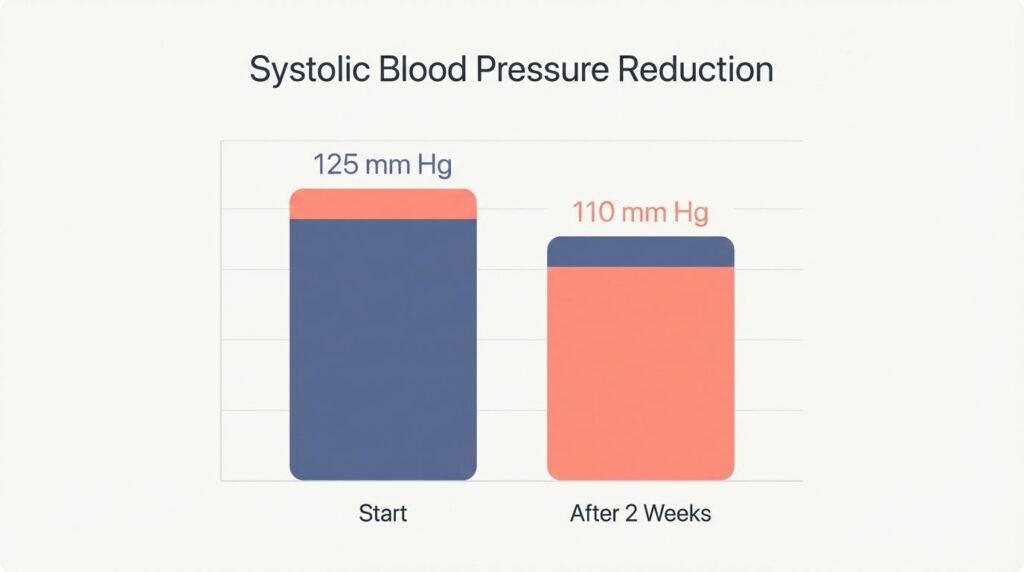
In a study using far-infrared sauna heat therapy, ten sessions over two weeks dropped systolic blood pressure from 125 mm Hg down to 110 mm Hg. That is a real change, not just wishful thinking.
A second group of men with several cardiovascular risk factors saw their systolic numbers fall from 128 to 124 mm Hg. Their diastolic readings dropped from 77 to 72 mm Hg after ten far-infrared sauna visits. Even people living with congestive heart failure felt the difference; their systolic levels fell from an average of 107 to just 97 mm Hg following multiple sessions.
A 2024 study examining sauna bathing and blood pressure published in Scandinavian Cardiovascular Journal reported that sauna exposure has been shown to produce blood pressure reductions of up to 7 mmHg. No one in these studies reported any harmful effects on their blood pressure, making it clear this is a safe method for many who want better heart health or help managing hypertension.
Sauna bathing did not appear to affect cholesterol or triglyceride levels based on reviewed data, but the blood pressure improvement stands out across all clinical trials. Interested in other ways these saunas boost circulation and support your fitness goals? Learn more about far infrared sauna health benefits next.
How do these saunas improve circulation and blood flow?
Lowering blood pressure is just the start.
SaunaCloud’s red light infrared saunas step up your cardiovascular health by boosting blood flow too. Far infrared heat tells your blood vessels to expand, a process called vasodilation, which lets more oxygen and nutrients move through your body.
These sessions spark the body to make more nitric oxide in the lining of arteries. Research from a 2005 animal study demonstrated that four weeks of sauna therapy significantly increased endothelial nitric oxide synthase expression about twofold compared with those that did not undergo sauna therapy. This helps even more with healthy circulation.
After using an infrared sauna for 10 days, studies found people improved their flow-mediated dilation from 4.4% to 5.7%. Folks living with congestive heart failure walked farther, up from 388 meters to about 448 meters in only six minutes, after four weeks of daily sauna bathing.
Blood becomes less sticky as plasma catecholamines drop after regular use; this helps keep those tiny capillaries open wide for smooth passage. I’ve felt my legs feel lighter and muscles bounce back quicker after each session. All these benefits can support better muscle recovery, faster pain relief, and may even help folks manage risk factors for heart disease over time.
In what ways do they enhance vascular elasticity?
Better circulation kicks off a chain reaction, and the blood vessels do their happy dance.
Red light infrared sauna use makes arteries more flexible by improving endothelial function. In clinical studies, researchers saw flow-mediated dilation jump from 4% in test groups to 5.8% after therapy while controls hit 8.2%.
Heat therapy gets those vessels to expand, or vasodilate, lowering stress on heart walls and boosting how well your body handles daily strain. Far-infrared sauna sessions also lower brain natriuretic peptide (BNP) levels, good news for people with high cardiovascular risk factors or even congestive heart failure.
Fewer stiff blood vessels mean it’s easier to regulate blood pressure and manage overall cardiovascular health; less oxidative stress helps too. After using my own SaunaCloud system a few times per week last winter, I noticed my legs felt lighter during hikes. Sometimes it really is about letting the little stuff just flow.
How do they help reduce inflammation?
Far-infrared heat from saunas cuts down markers of oxidative stress, like urinary 8-epi PGF2, which tie closely to inflammation and chronic pain.
Nitric oxide production goes up in these sessions; this soothes blood vessel walls and tames inflammatory signals inside your body. Some folks with chronic fatigue syndrome and people with sore muscles or lower back pain say they feel relief after just a few weeks.
Improved sleep quality also shows up in studies about far-infrared sauna use, connecting deeper rest to lower levels of swelling and redness from inflammation. SaunaCloud’s red light therapy boosts circulation, promoting angiogenesis, the creation of new blood vessels, in areas that lack strong blood flow. This helps cut down on lingering inflammation for those healing from injury or muscle soreness after intense exercise routines.
One report saw chronic pain patients return to work at a rate of 77 percent over two years after regular infrared sauna bathing. Others outside the sauna group? Only 50 percent made it back. Less neurohormonal stress during calorie restriction has been seen as well, keeping the immune system calm while you lose weight without sending stress hormones into fight-or-flight mode.
Can using these saunas simulate moderate exercise for heart health?
SaunaCloud’s red light infrared saunas can mimic the heart benefits of a brisk walk, right from your own home.
I have seen how this heat therapy raises heart rate and boosts sweating much like moderate exercise. A 2025 study published in the American Journal of Preventive Cardiology found that the cardiovascular demand imparted by thermoregulatory homeostasis is similar to that achieved by walking at a moderate pace.
Studies have shown folks with chronic diseases or joint pain may benefit most, since physical movement is harder for them. In one clinical trial focused on far-infrared sauna therapy, people with congestive heart failure improved their left ventricular ejection fraction from 30% to 34%, showing real improvements in cardiac output.
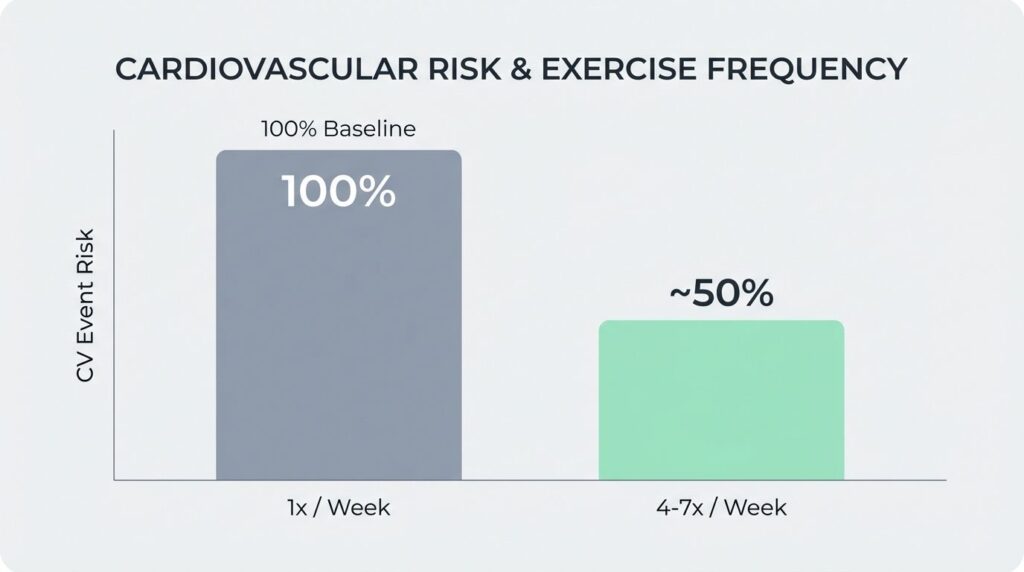
A Finnish study that spanned about twenty years tracked over two thousand men. Frequent sauna bathing (four to seven times a week) cut their risk of fatal cardiovascular events by almost half compared to only once per week.
Regular sessions support weight management and blood pressure regulation and also encourage better circulation without strain on your joints. For more insight into whether these infrared sauna workouts worth it for you, check out my guide with facts and answers based on hands-on experience.
Best Practices for Using Red Light Infrared Saunas

Using an infrared sauna is like tuning a car.
You want everything set just right for peak cardiovascular health, stress reduction, and better sleep patterns. Small changes in session length or temperature can shift your whole experience, so grab your thermometer and always rehydrate to keep blood pressure steady.
What are the recommended session duration and temperature?
Start with 15 to 30 minutes in a SaunaCloud infrared sauna.
New users should begin at the lower end, maybe just 5 or 10 minutes. With more experience, it’s safe to extend up to 45 minutes per session for greater heart health and muscle recovery benefits.
Set the temperature between 110 and 150°F for most sessions. Most people find this range supports weight loss, stress reduction, and even improved sleep quality without overheating the body, a win for those worried about cardiovascular risk factors like high blood pressure.
For longtime users or fans of heat therapy with advanced SaunaCloud units, try pushing temps closer to traditional Finnish-style limits, around 190°F to even as much as 200°F, thanks to better heater technology that holds steady without blasting you with ultraviolet rays. Always wear light clothing or wrap yourself in a towel; skip anything heavy so your circulatory system can cool down easily after, especially if you have chronic pain or medical conditions under a cardiologist’s care.
How often should you use the sauna for heart benefits?
Most studies say using an infrared sauna two to three times each week supports heart health and stress reduction.
People who stepped it up to four or even seven sessions per week saw as much as a 70 percent lower risk of fatal cardiovascular events over time. According to a 2018 Finnish study lasting about twenty years, this frequency produced the most significant protective effects.
At SaunaCloud, I often share with buyers that daily use is safe for healthy adults. For beginners, one or two short visits per week, each ten to fifteen minutes, is a smart place to start.
A 2022 randomized controlled trial published in the American Journal of Physiology found that when combined with exercise, sauna bathing demonstrated a substantially supplementary effect on cardiorespiratory fitness and systolic blood pressure. Long-term consistency gives the best boost for blood pressure and circulation support. In clinical trials on conditions like congestive heart failure, just ten to fifteen red light sauna bathing sessions in two to four weeks led to measurable results.
Folks looking for cholesterol reduction and improved vascular elasticity also benefit from steady routine use. Think about making your session part of managing chronic pain or anxiety too.
What hydration and safety tips should you follow?
Sip water or an electrolyte drink before, during, and after every infrared sauna session.
Avoid alcohol since it ramps up dehydration risk and can make your blood vessels overreact to heat therapy. Pay attention to how you feel; leave the sauna if dizziness, nausea, or any discomfort sneaks up on you.
Start out easy. Short sessions at lower temperatures help prevent overheating while letting your body thermoregulate naturally over time.
Rinse off sweat right away to clear salt and toxins from your skin. Using a thermometer inside the sauna helps spot dangerous spikes in temperature, especially for those managing cardiovascular disease or chronic conditions. Anyone taking medication that lowers blood pressure should talk with a doctor first about safe session lengths and frequency.
Now that hydration is covered, let’s dive into who might need to steer clear of infrared saunas altogether.
Who Should Avoid Red Light Infrared Saunas?
People with multiple sclerosis face a higher risk of heat intolerance.
According to a 2025 study, individuals with conditions affecting thermoregulation, including MS, central nervous system tumors, and diabetes with neuropathy, may not respond safely to the heat stress of an infrared sauna. This makes red light infrared saunas unsafe for them.
Pregnant women, especially during early pregnancy, should avoid sauna bathing based on advice from the American College of Obstetricians and Gynecologists. Trying to have a baby? Heat therapy may reduce sperm health. A 2013 study found that two sauna sessions per week for three months was associated with lower sperm count and motility, so skip sessions if you are aiming for conception.
Anyone with unstable coronary artery disease, ischemic heart failure, or who just had a heart attack needs doctor clearance before using heat absorption methods like infrared sauna bathing. Low blood pressure or kidney disease can add risks too. Diuretics or blood pressure medicines make dehydration more likely.

Children and older adults lose water faster and can overheat quickly. Always check with an expert before letting your kids or elderly parents in the cabin.
If you have open wounds, recent surgery stitches, or an active illness such as the flu, wait until healed before any sweat session at SaunaCloud’s cabins. From my years helping customers find safe solutions for pain relief and stress management since 2014 at SaunaCloud, I always say: better safe than sorry about cardiovascular health.
Ready to Invest in Your Heart Health?
Red light infrared sauna sessions offer a powerful, science-backed way to boost your cardiovascular health, ease chronic pain, and melt away stress. Regular use can lower blood pressure and support healthy circulation, acting as a “passive workout” for your heart.
At SaunaCloud, we specialize in high-quality, custom infrared technology designed to bring these life-changing benefits directly into your home. If you’re ready to take the next step in your wellness journey or have questions about which setup is right for your space, I’m here to help.
Give me a call today to discuss building your custom red light infrared sauna. Let’s find the perfect solution to help you live a longer, healthier life.
— Christopher Kiggins
People Also Ask
I often point to a 2018 study by Dr. Jari Laukkanen showing that 4-7 sessions a week can lower the risk of cardiovascular disease by nearly 50%. This heat therapy improves heart health by raising your heart rate to mimic a workout, effectively reducing multiple cardiovascular risk factors.
Red light therapy is an effective method for muscle recovery because it stimulates mitochondria to produce the energy needed for tissue repair. This process significantly reduces chronic pain and inflammation associated with difficult conditions like osteoarthritis.
The post-sauna cooling process helps reset your circadian rhythm, which is the key to improved sleep and waking up refreshed. By lowering cortisol levels, this routine offers powerful stress reduction and supports mental wellness, even alleviating symptoms of depression.
Consistent sauna bathing mimics moderate exercise to lower total cholesterol and activate fat cells, while significantly boosting high-density lipoprotein and reducing oxidative stress.
Most high-quality infrared saunas are cleared as Class II medical devices by the Food and Drug Administration for pain relief, though randomized controlled trials are still ongoing for other conditions. You should always verify a device’s 510(k) clearance and consult your doctor, especially if you manage blood pressure with medications like nitroglycerin.
These energy-efficient units boost your immune response by increasing white blood cell counts and help clear skin conditions like acne through deep sweating. I always advise using accurate thermometers to maintain the optimal temperature range for these biological effects.