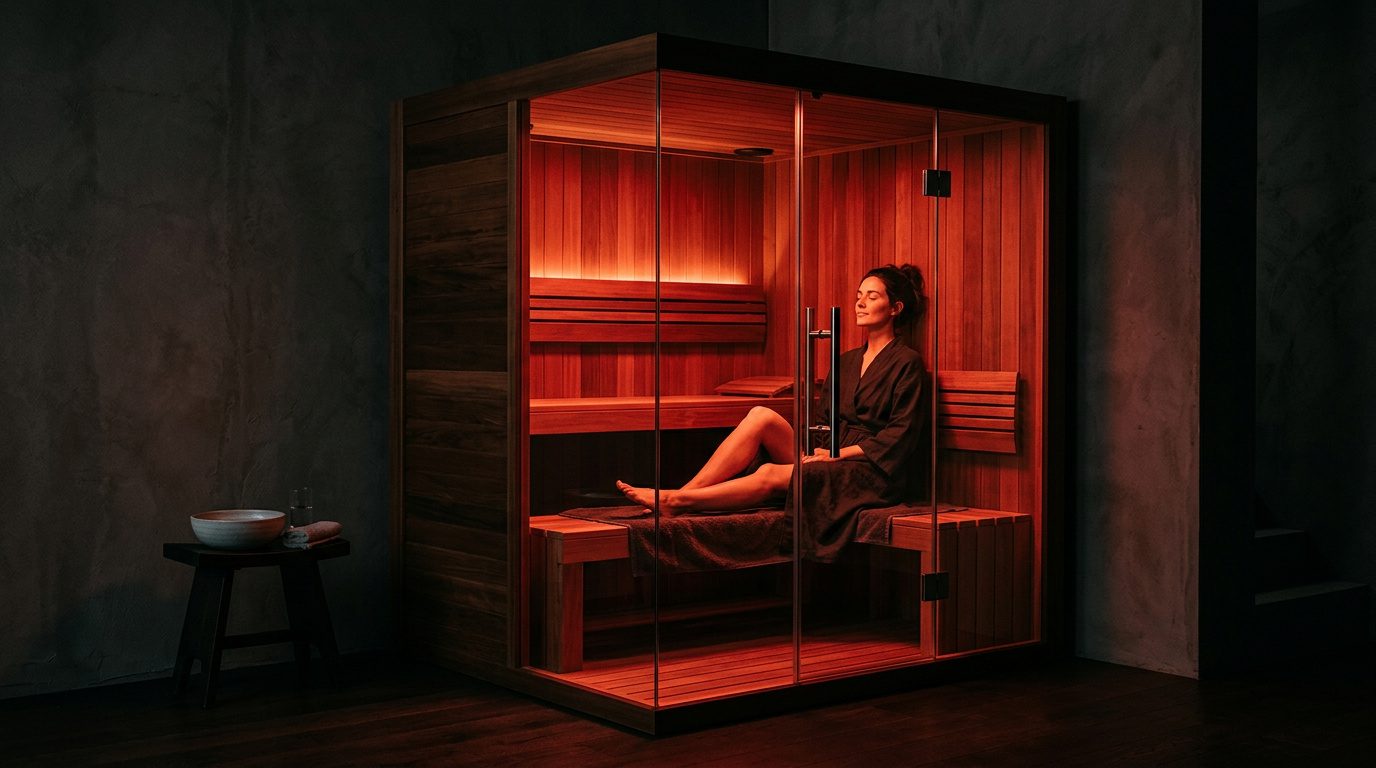
There is a specific frustration that happens in a sauna: you try to relax, but you can’t decide if you should force yourself to sit up for the “health benefits” or just give in and lie down.
Here is the truth: Your posture changes the biological signal you send to your body, affecting blood flow, body temperature, and how infrared light actually hits your skin. One position drives active recovery, and the other triggers deep sleep—you just need to know which switch to flip.
I’m Christopher Kiggins. I founded SaunaCloud in San Francisco in 2014, and I’ve used infrared therapy since 2012, so I’ve had a lot of time to watch how small setup choices change results.
Let’s walk through the trade-offs, buyer-style, so you can pick the position that fits your body and your goals.
How Does Sitting Affect Your Body in a Red Light Infrared Sauna?
Sitting is the “driver’s seat” posture for most infrared saunas. You’re upright, your diaphragm has room to move, and it’s easier to regulate how much radiant heat and red light therapy you take in minute to minute.
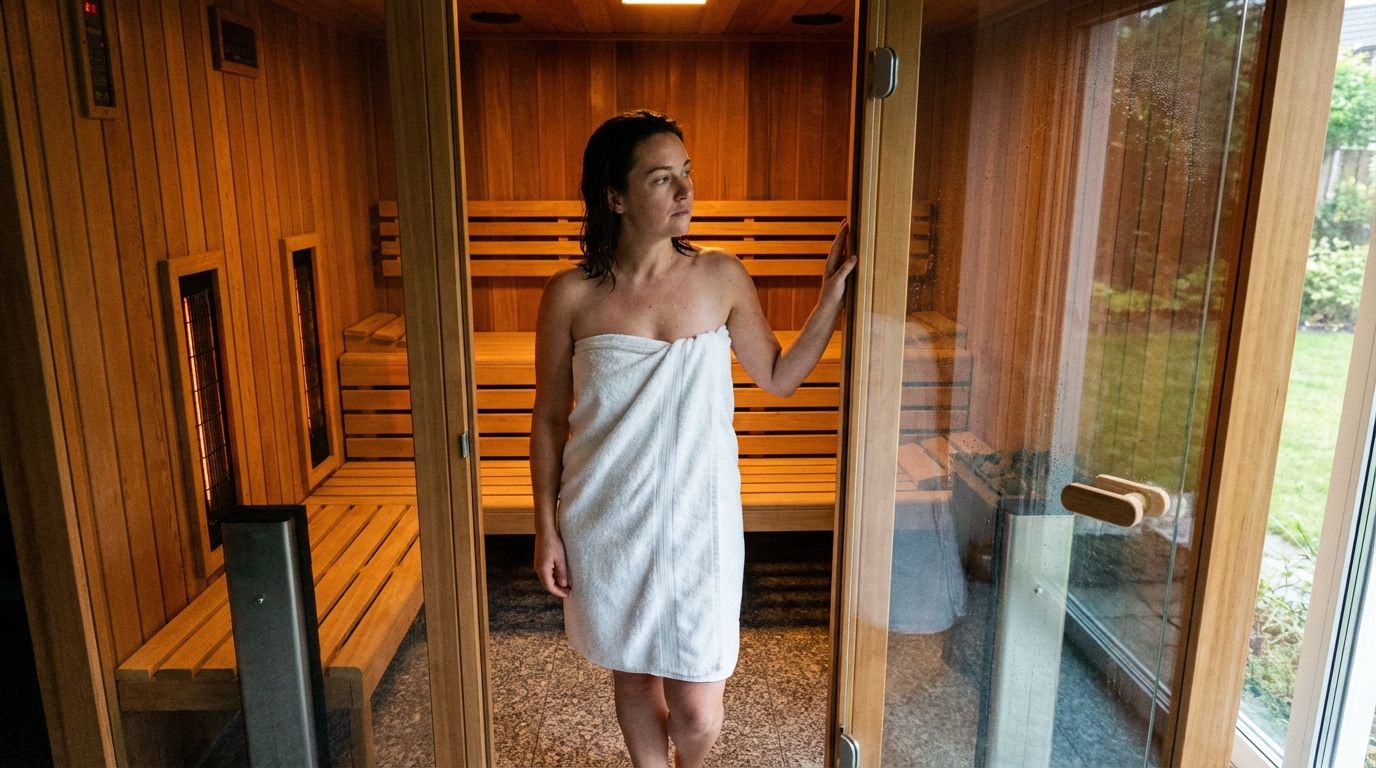
It also tends to feel more predictable for blood pressure. When you’re upright, you can keep your breathing steady and make small position changes without the big head-rush some people get when they stand up fast after a long, super-relaxed session.
If you’re using a red light infrared sauna, sitting also helps you aim light more intentionally at the areas you care about, like core, hips, or upper back, rather than “whatever happens to face the panels.”
How Does Sitting Influence Blood Circulation and Posture?
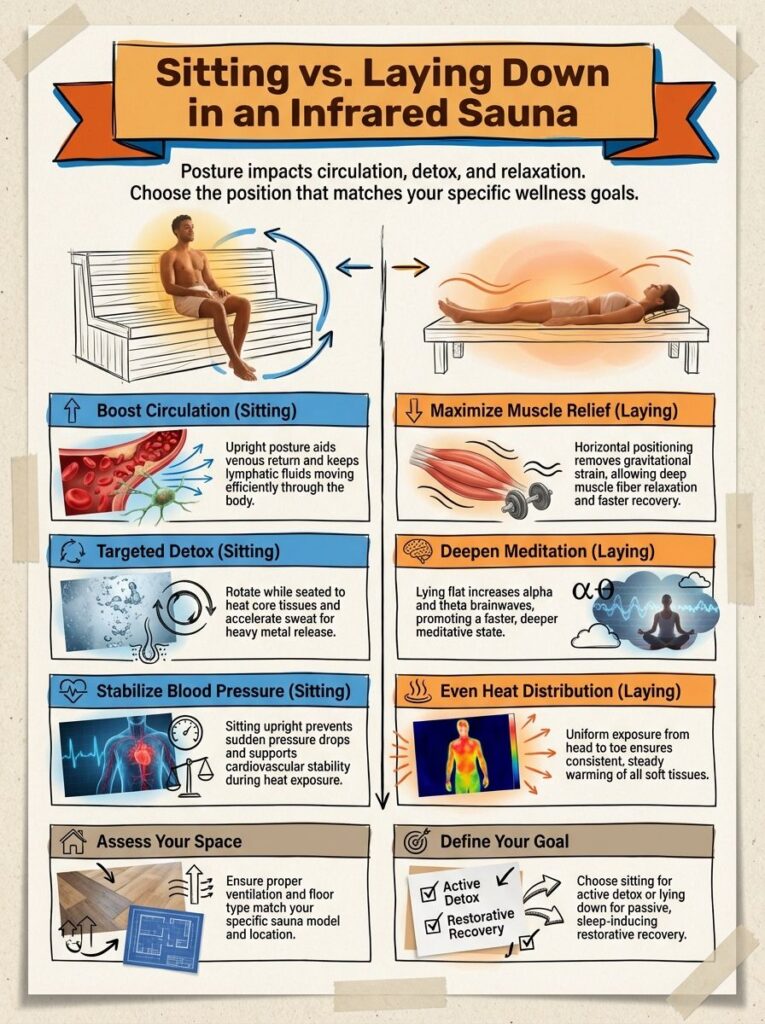
Sitting upright supports venous return and lymphatic drainage and helps you keep your spine stacked, not slumped. That matters because your breathing mechanics change when you collapse forward, and your diaphragm is a big part of how your torso naturally “pumps” circulation.
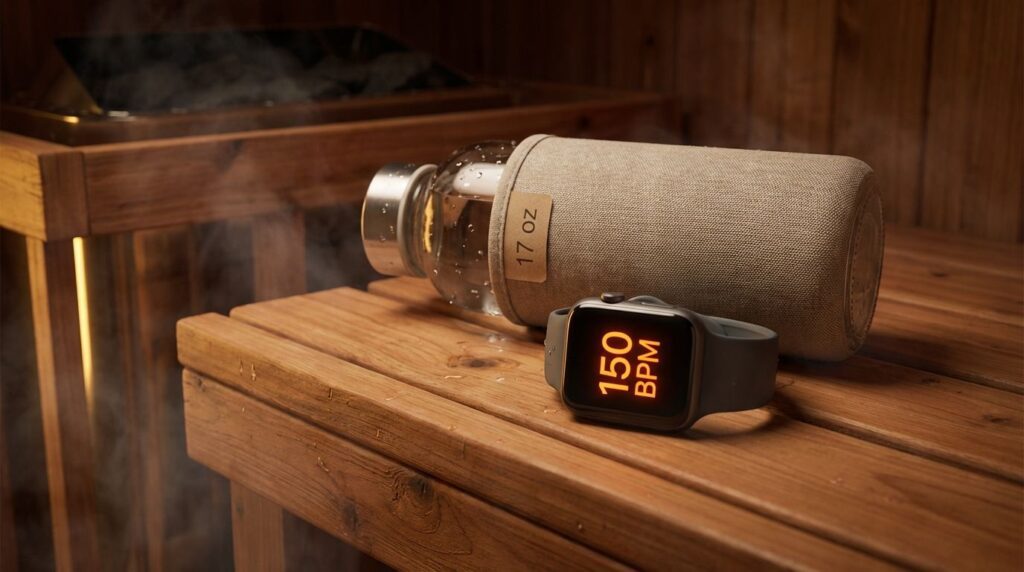
Here’s the useful mental model: a sauna session is like light exercise for your cardiovascular system, but with no muscle work. In large Finnish sauna studies, heart rate can rise into the 100-150 beats per minute range in hotter sessions, which is why posture, pacing, and cooldown are real safety tools, not wellness fluff.
Sitting upright is the easiest way to control heat, breathing, and balance, especially if you’re new or prone to dizziness.
From a buyer perspective, sitting also lets you do one of my favorite “real world” tricks: rotate your body every few minutes so you heat one side, then the other. That built-in contrast tends to feel better on tight muscles, and it helps you avoid cooking one hot spot while the rest of you stays cooler.
One caution I share with clients: the most common fainting scenario isn’t inside the cabin, it’s the moment you stand up too fast afterward. Heat illness guidance notes that “heat syncope” can happen when you stand quickly after sitting or lying down in hot conditions, especially if you’re dehydrated. The fix is simple, take your last 1-2 minutes seated, then stand slowly.
Why Does Sitting Improve Light Absorption in an Infrared Sauna?
Sitting upright makes it easier to get more even “front and back” exposure when your sauna has panels behind you and in front of you, or when you rotate toward a single strong heater bank.
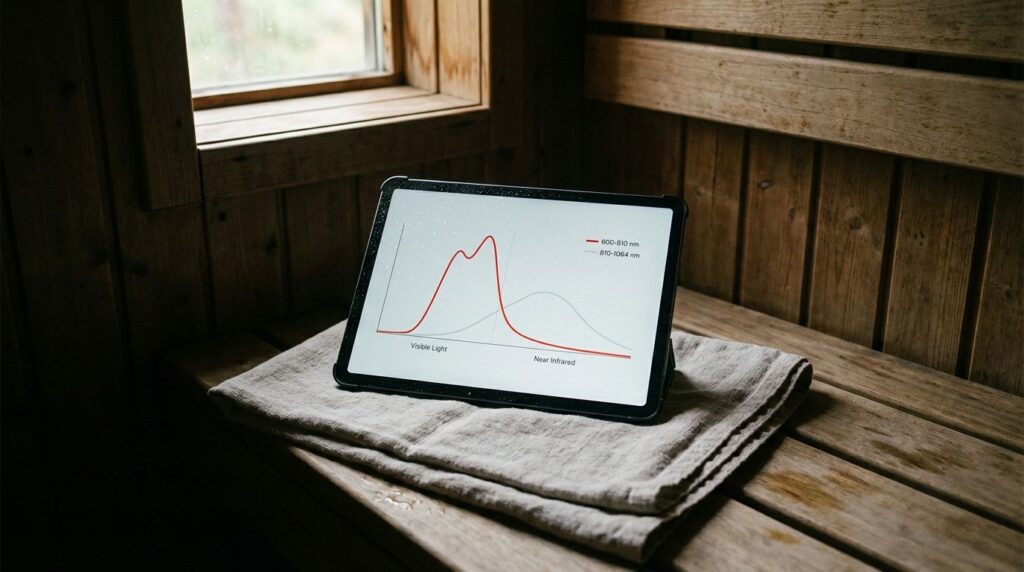
And if you care about the red light side of the experience, dose is the whole game. Photobiomodulation research describes red light in the 600-810 nm range interacting with cytochrome c oxidase in mitochondria, while near-infrared wavelengths (often discussed around 810-1064 nm) can also influence light-sensitive ion channels. That’s why distance, time, and angle matter, you’re not just “getting warm,” you’re exposing tissue to a specific kind of light response.
- Rotate so one side doesn’t get all the intensity.
- Keep your chest open so your breathing stays calm and steady.
- Use a timer so you do not drift into “too much, too soon.”
- Adjust distance instead of forcing longer time if it feels overwhelming.
The FireLight style approach (upright with rotation) works well for targeted dosing, because you can self-regulate in real time. If your goal is focused heat therapy for a sore area, sitting gives you the cleanest control.
For a simple rotation plan, follow the step-by-step guide for your session and keep your pace consistent from session to session.
What Are the Benefits of Sitting in a Red Light Infrared Sauna?
Sitting is often the better choice when you want a “training effect” from heat without feeling wiped out. You can track your response more easily and avoid the wobbly transition that can come from a very deep, horizontal relaxation session.
It also makes it easier to stay in the cabin long enough to get a meaningful heat therapy effect at lower temperatures, without the “I need to move” feeling some people get on a bench.
It can also be a practical choice if you combine sauna use with workouts, a cold plunge, or an ice bath. You can exit, sit for a few minutes, sip fluids, and then decide what your body can handle next.
How Does Sitting Help Maintain Stable Blood Pressure?
Sit tall, cool down slowly, and treat hydration like part of the session.
If you’re buying a sauna for cardiovascular support or general wellness, this is the big advantage of sitting: it makes the “exit strategy” safer. You can finish your session upright, let your breathing settle, then stand up slowly.
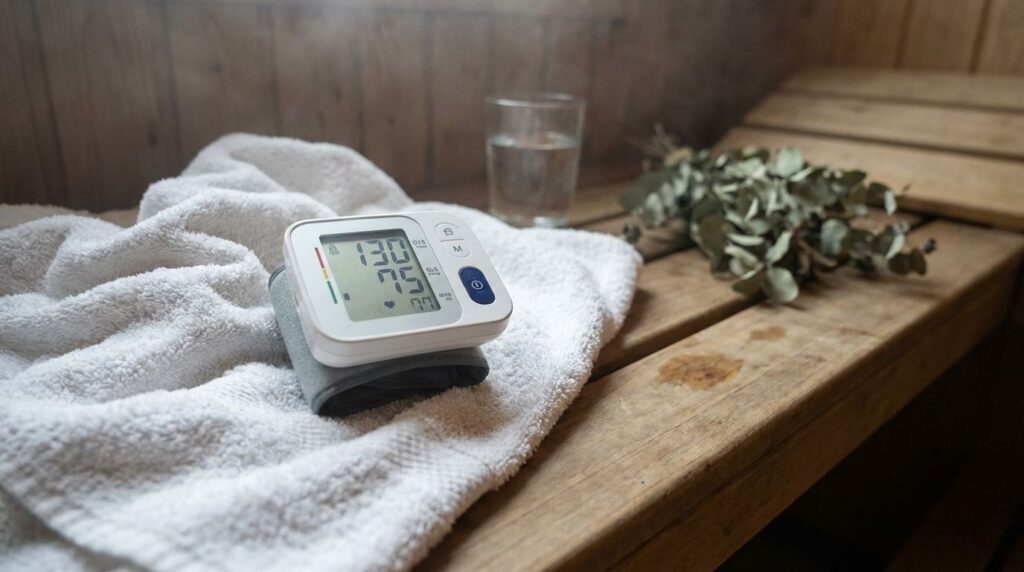
In a 2017 study of a single 30-minute sauna session (hot, dry conditions), participants’ blood pressure dropped from about 137 to 130 mm Hg systolic and 82 to 75 mm Hg diastolic, with heart rate rising during the session. That’s a nice reminder that heat can shift your numbers fast, and it’s a reason I like a seated cooldown before you walk around your house.
Alcohol is the other big variable. In one classic study on sauna bathing with heavy drinking, systolic pressure dropped sharply during the combination (from about 136 to 113 mm Hg), which matches what many people feel as lightheadedness. If you’re hungover, dehydrated, or drinking, skip the sauna.
- Before: drink water, and avoid sauna sessions if you’re already dried out from travel, workouts, or hangovers.
- During: sit upright if you tend to get dizzy.
- After: take 5-10 minutes to cool down seated before you stand and shower.
- Beginner pace: start at 10-15 minutes, then build up over weeks.
How Does Sitting Enhance Detoxification?
Let’s talk “detox,” but in a way that actually helps you make buying decisions.
Sweating is your body’s cooling system, and it’s part of why heat therapy feels so good. In Finnish sauna physiology research, sweat rates around 0.6 to 1.0 kg per hour have been reported in hot sauna conditions, which helps explain why dehydration and headaches show up when people push time too far.
At the same time, Harvard Health has pointed out that many detox claims get exaggerated, because your liver and kidneys do the heavy lifting. So here’s my practical take: use your sauna to support circulation, relaxation, and recovery, and treat hydration and cooldown as the “detox” work you can actually control.
If you’re specifically thinking about heavy metals, a 2022 study found measurable heavy metals in sweat, but it also found higher levels during dynamic exercise than during sitting in a sauna. Translation for buyers: if you want the most “movement of fluids,” combine sauna use with regular movement outside the cabin, and do not expect posture alone to do the job.
My simple post-session routine is boring, and that’s why it works: towel off, do a lukewarm shower, then rehydrate until your body feels steady again.
How Does Laying Down Affect Your Body in a Red Light Infrared Sauna?
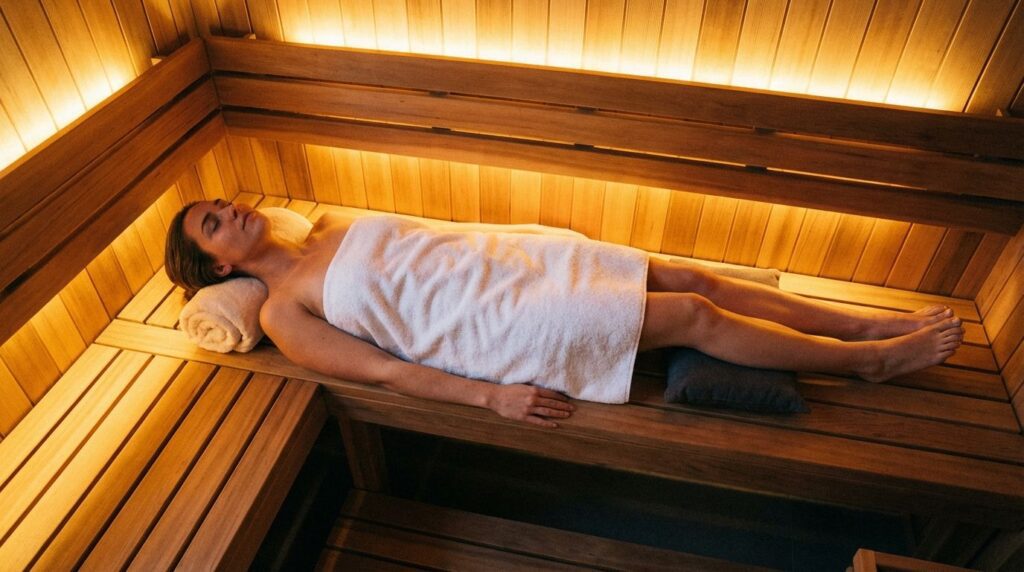
Lying down turns the session into a more passive experience. Your spine unloads, your shoulders can drop, and your nervous system often shifts faster into “rest mode.”
For some buyers, that’s the whole point. If your main goal is relaxation, pain relief, or a calmer bedtime routine, the horizontal posture can feel like a reset button.
One buyer note I always mention: lying down increases contact with the bench. Use a towel, consider a small pillow for your neck or knees, and be mindful of any panel surfaces that get hot.
How Does Laying Down Promote Relaxation and Body Alignment?
Lying down reduces physical strain and spreads your weight more evenly, which helps if you get neck tension, low back tightness, or shoulder discomfort when you sit.
There’s also interesting brain data that lines up with what people report anecdotally. A 2023 study looking at the post-sauna “totonou” state (sauna, cold water, rest cycles) found increases in theta and alpha power during rest and after the sauna phase. You don’t need the exact ritual to benefit from the idea, your rest period matters, and a comfortable posture can make that rest easier to reach.
Rest flat, breathe slow, and let the heat do the work, then sit up before you stand.
- Neck comfort: support your cervical spine with a small towel roll.
- Lower back: a pillow under knees can take pressure off your spine.
- Safety: set a timer so you do not accidentally fall asleep in the heat.
- Exit plan: roll to your side, sit for a moment, then stand.
Why Does Laying Down Provide Equal Heat Distribution?
When you lie down, more of your body sits at a similar distance from side panels, and you’re less likely to “hog” heat in one area (like chest and face) while your legs lag behind.
Your sauna’s heater layout matters a lot here. Large carbon heaters tend to create a gentler, wider spread of radiant heat than small rod-style heaters, since the heating surface is bigger. That’s one reason many buyers say carbon-panel cabins feel more even, especially for longer sessions.
If you love lying down, look for:
- More wall coverage with panels, not just one hot back panel.
- Leg and calf coverage so your lower body does not feel left out.
- A longer bench so you are not curling up and compressing your diaphragm.
- Adjustable ventilation so the cabin stays fresh and dries out between uses.
Up next, we’ll talk about what lying down is best for, and when it’s the wrong choice.
What Are the Benefits of Laying Down in a Red Light Infrared Sauna?
Lying down shines when your priority is relaxation and full-body comfort. If you want to pair an evening session with better sleep patterns, the “downshift” can feel stronger when your muscles are not working to keep you upright.
It also makes it easier to stay in the cabin long enough to get a meaningful heat therapy effect at lower temperatures, without the “I need to move” feeling some people get on a bench.
How Does Laying Down Lead to Deeper Relaxation?
I lie down in my SaunaCloud sauna for plenty of sessions, especially when I’m using it for recovery, not for a high-intensity sweat.
If you want one science-backed reason to respect the cooldown: research on sauna recovery and the autonomic nervous system shows heart rate variability can rebound during the recovery period after a sauna session, which suggests a shift back toward parasympathetic (rest-and-digest) activity. So I like this simple flow: lie down, breathe, then sit up for the last minute or two so your body transitions smoothly.
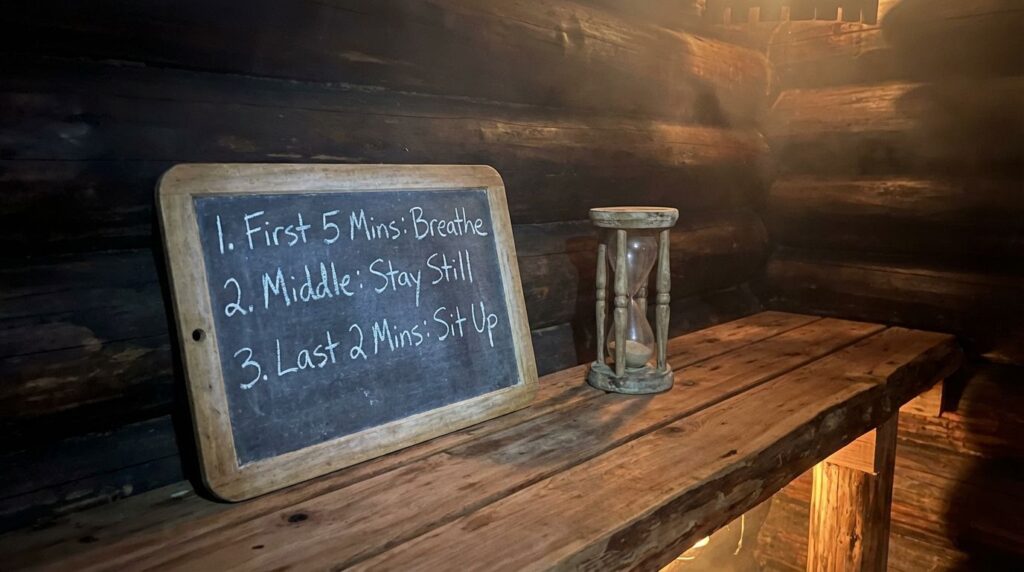
Try this pacing for a restful session:
- First 5 minutes: settle in and breathe through your nose.
- Middle: stay still, adjust only if a hot spot builds.
- Last 2 minutes: sit up tall before you exit.
- After: cool down before you shower or do cold therapy.
How Does Laying Down Reduce Muscle Tension?
Lying down reduces gravitational strain, so your muscles can unclench without you actively “holding posture.” For buyers dealing with tight hip flexors, a cranky low back, or post-workout soreness, this is often the most comfortable way to get time in the cabin.
Far-infrared sauna research has been explored in athletic recovery contexts, and while protocols vary, the common thread is that heat raises body temperature and encourages circulation without additional joint loading. If you’re sore, you can use that by choosing a moderate temperature and staying consistent, rather than trying to win with one brutal session.
If your goal is physical health and less soreness, I like this simple combo:
- After workouts: wait until your breathing is normal again, then sauna.
- Position: lie down if sitting makes your low back or neck tighten.
- Finish: do a lukewarm shower, then rehydrate.
How Do You Choose the Best Position for a Red Light Infrared Sauna?
The “best” position is the one you can repeat safely and consistently. That’s the real buyer test.
So instead of choosing a posture based on what sounds more intense, choose it based on what you’re trying to feel when you step out: steady, clear-headed, and better than when you stepped in.
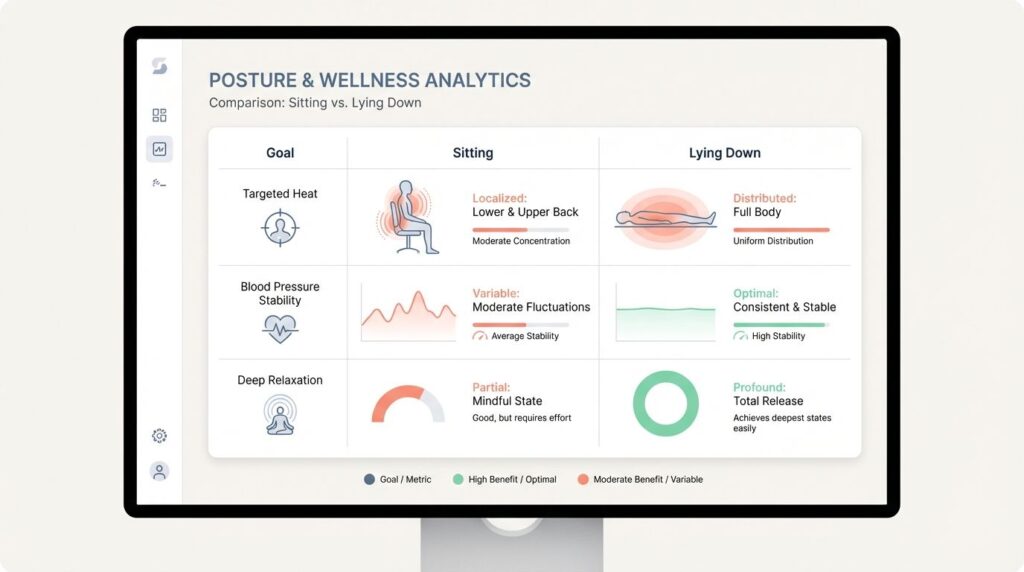
| Goal | Sitting | Lying Down |
|---|---|---|
| Targeted heat therapy (core, hips, back) | Best choice, easy to aim panels and rotate | Works, but less “aimable” unless your layout supports it |
| Blood pressure steadiness and easier exit | Best choice, smoother transition to standing | Fine if you sit up before exiting |
| Deep relaxation and sleep support | Good, especially with calm breathing | Best choice for many people |
| Full-body even warmth | Good if you rotate | Often best, especially with wide panel coverage |
What Factors Should You Consider When Choosing a Position?
Start with the unsexy stuff, because it decides whether you actually use the sauna.
- Ventilation and drying: indoor rooms need good airflow so moisture does not linger. Many sauna builders aim for roughly 3-6 air changes per hour during use, then extra drying time afterward, which is why adjustable vents and a post-session “door cracked open” habit matter.
- Space: make sure you can actually sit tall or lie flat without twisting your spine.
- Surface comfort: plan for towels, head support, and a stable, non-slip step in and out.
- Electrical reality: many 1-2 person units plug into standard 120V outlets, while larger cabins often need a dedicated circuit (and sometimes 240V). Brands commonly list requirements like 15A, 20A, or higher per model, so check specs before you buy and have an electrician confirm your setup.
Match position to the sauna design. Some units, like the FireLight style approach, are built for upright sitting and rotation. Other cabins give you the best experience when you lie down and let the heat wrap evenly.
If you want a simple timing framework that pairs position with time, read the optimal duration for your sauna and decide whether you want a shorter, more active seated session, or a longer, calmer lying session.
How Do Personal Preferences and Goals Affect Your Choice?
Your personal goals should pick the posture for you.
If you want focused heat for a sore lower back or core, sit. You get targeted exposure, and you can control intensity with small movements and rotation. If you’re using red light therapy as part of your wellness routine, sitting also helps you manage angle and dose.
If you want full-body calm, lie down. You’ll usually get more uniform heat distribution, less muscle guarding, and an easier path into meditation and relaxation.
If you have heart issues, blood pressure concerns, or other medical conditions, talk with a healthcare provider before you start experimenting with longer sessions or aggressive contrast routines.
Ready to Build Your Perfect Sauna Setup?
As we’ve covered, the decision between sitting and lying down isn’t just about comfort—it’s about blood flow, light absorption, and the specific results you want from every session.
Whether you need the targeted intensity of a seated cabin for recovery or the deep, even heat of a lay-down sanctuary for sleep support, the right equipment makes all the difference.
I’m Christopher Kiggins, and I’ve been helping clients navigate these trade-offs at SaunaCloud since 2014. Don’t leave your wellness routine to guesswork. Contact me today, and let’s design a custom red light infrared sauna that fits your space, your body, and your goals.
— Christopher Kiggins
People Also Ask
It depends on your goal. Sitting warms your core faster and can help breathing, while laying down spreads infrared heat over more skin and often feels more relaxing, like a warm hug.
Laying down gives even, gentle heat, so muscles relax better. Sitting can target deeper tissues faster, try both to see which eases your pain or boosts sweat.
Both are safe if you limit time, drink water, and move slowly when you stand up, but people with low blood pressure should be extra careful.
Start with 10 to 15 minute sessions, follow the sauna rules, and stop if you feel off. You can switch positions mid session, just sit up slowly, sip water, and listen to your body.